Investing in the right equipment is a critical decision for any business that handles inventory, manufacturing, warehousing, or logistics operations. A well-informed purchase can improve efficiency, reduce labor costs, and enhance workplace safety. This material handling equipment guide is designed to help you understand your options, evaluate your needs, and make a confident buying decision that supports long-term operational success.
Understanding Material Handling Equipment
Material handling equipment refers to tools and machinery used to move, store, control, and protect goods throughout manufacturing, distribution, and disposal processes. This includes everything from simple hand trucks and pallet jacks to advanced forklifts, conveyors, and automated systems. The right equipment minimizes manual labor, reduces the risk of injury, and improves overall workflow efficiency. Businesses across industries rely on these systems to streamline operations and maintain productivity.
Assessing Your Operational Needs
Before purchasing equipment, it is essential to evaluate your specific operational requirements. Consider the type of materials you handle, their weight, size, and frequency of movement. Think about your facility layout, including aisle widths, ceiling heights, and storage configurations. Indoor versus outdoor usage also plays a major role in determining the type of equipment you need. Understanding these factors will help you narrow down your options and avoid costly mistakes. A thorough needs assessment is the foundation of any effective material handling equipment guide because it ensures your investment aligns with your workflow.
Types of Material Handling Equipment
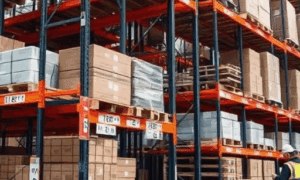
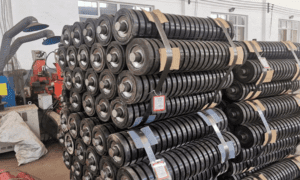
There are several categories of equipment to consider, each serving a different purpose. Storage and handling equipment includes racks, shelves, and bins that help organize materials efficiently. Industrial trucks, such as forklifts, pallet jacks, and order pickers, are essential for transporting goods within a facility. Bulk material handling equipment, like conveyors and hoppers, is designed for moving large quantities of materials. Automated systems, including robotics and automated guided vehicles, offer advanced solutions for high-volume operations. Choosing the right combination depends on your business size, industry, and operational complexity.
Choosing the Right Forklift
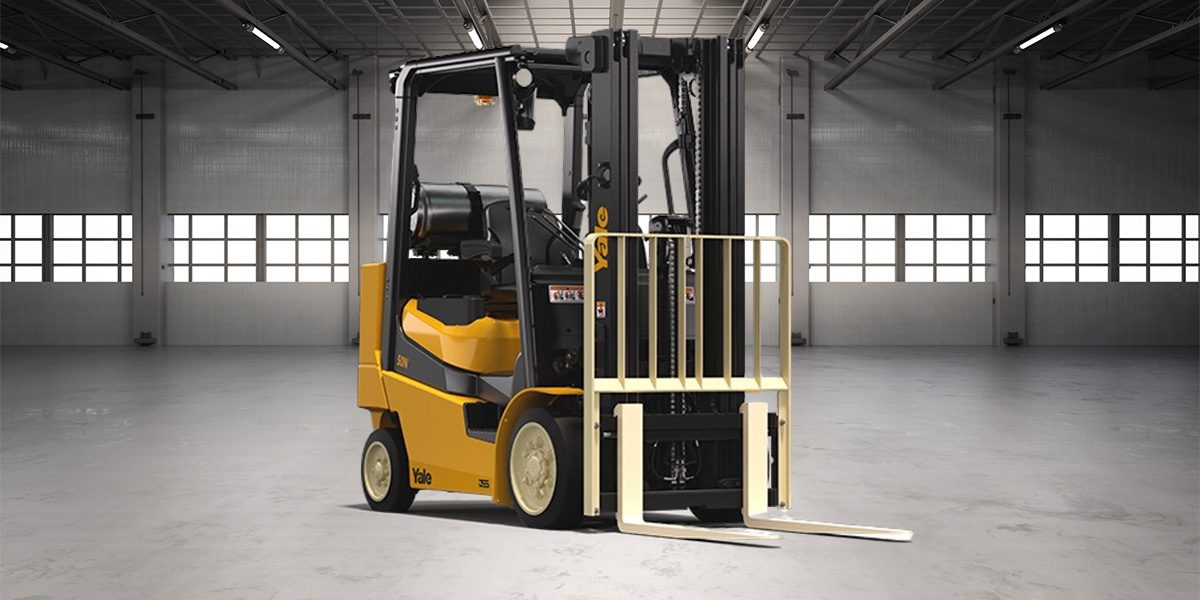
Forklifts are one of the most commonly used types of material handling equipment. Selecting the right forklift involves evaluating load capacity, lift height, fuel type, and maneuverability. Electric forklifts are ideal for indoor use due to their low emissions and quiet operation. Internal combustion forklifts are better suited for outdoor environments and heavy-duty applications. You should also consider attachments such as clamps or side shifters that can increase versatility. Working with a provider that offers forklift sales and service in Greensburg, PA, can ensure you receive expert guidance, reliable equipment, and ongoing support tailored to your needs.
New Versus Used Equipment
One of the biggest decisions buyers face is whether to purchase new or used equipment. New equipment offers the latest technology, warranties, and longer service life. It is often the best choice for businesses with high usage demands or specialized requirements. Used equipment can be a cost-effective alternative, especially for smaller operations or those with limited budgets. However, it is important to inspect used equipment thoroughly and verify maintenance history. A reputable dealer can help you weigh the pros and cons and ensure you get value for your investment.
Safety Considerations
Safety should always be a top priority when selecting material handling equipment. Equipment that is not suited to your environment or workload can increase the risk of accidents and injuries. Look for features such as stability controls, ergonomic designs, and operator safety systems. Proper training is also essential to ensure employees can operate equipment safely and efficiently. Incorporating safety into your purchasing decision not only protects your workforce but also helps you comply with regulatory requirements and avoid costly downtime.
Maintenance and Service Requirements
Ongoing maintenance is a critical factor in the total cost of ownership. Regular servicing keeps equipment running efficiently and extends its lifespan. When evaluating options, consider the availability of parts, service support, and maintenance programs. Partnering with a provider that specializes in forklift sales and service in Greensburg, PA can provide peace of mind, as they can offer timely repairs, preventive maintenance, and expert advice. Reliable service support ensures your operations remain uninterrupted and your equipment performs at its best.
Budgeting and Total Cost of Ownership
While upfront cost is an important consideration, it should not be the only factor in your decision. Total cost of ownership includes maintenance, repairs, energy consumption, and potential downtime. Cheaper equipment may have higher long-term costs if it requires frequent repairs or lacks efficiency. On the other hand, investing in higher-quality equipment can lead to greater savings over time through improved performance and durability. A comprehensive material handling equipment guide emphasizes looking beyond the initial price to evaluate long-term value.
Evaluating Vendors and Suppliers
Choosing the right supplier is just as important as selecting the right equipment. Look for vendors with a strong reputation, industry experience, and positive customer reviews. A reliable supplier should offer a range of products, transparent pricing, and knowledgeable support. They should also be able to provide training, maintenance, and after-sales service. Local providers can offer faster response times and personalized support, which is especially valuable for ongoing service needs.
Considering Technological Advancements
Technology is rapidly transforming the material handling industry. Automation, data tracking, and smart equipment are becoming increasingly common. These innovations can improve efficiency, reduce labor costs, and enhance safety. For example, automated guided vehicles can streamline repetitive tasks, while telematics systems provide real-time data on equipment usage and performance. While advanced technology may require a higher initial investment, it can deliver significant long-term benefits for businesses with high-volume operations.
Planning for Scalability
As your business grows, your material handling needs may change. It is important to choose equipment that can scale with your operations. Flexible solutions that can adapt to increased demand or changing workflows will help you avoid frequent replacements or upgrades. Consider whether your equipment can handle future expansion and whether your supplier can support your evolving needs. Planning for scalability ensures your investment remains valuable over time.
Environmental Impact and Sustainability
Sustainability is becoming an important consideration for many businesses. Electric equipment, energy-efficient systems, and environmentally friendly practices can reduce your carbon footprint and operating costs. Choosing equipment with lower emissions and energy consumption not only benefits the environment but can also enhance your company’s reputation. Many modern solutions are designed with sustainability in mind, making it easier to align your operations with environmental goals.
Final Thoughts
Selecting the right equipment requires careful planning, research, and collaboration with trusted experts. This material handling equipment guide highlights the importance of understanding your needs, evaluating your options, and considering long-term value. Whether you are investing in forklifts, storage systems, or automated solutions, the right choices can significantly impact your efficiency and profitability. Partnering with a reliable provider for forklift sales and service in Greensburg, PA, ensures you have access to quality equipment, expert support, and ongoing maintenance. By taking a strategic approach, you can build a material handling system that supports your business today and into the future.