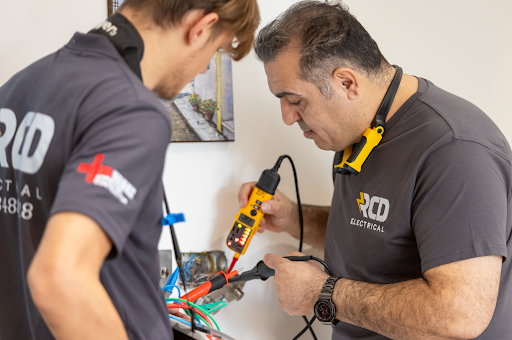
Electrical safety has become one of the most important legal responsibilities for landlords across London in 2026. With stricter housing regulations, rising tenant awareness, and increasing enforcement from local councils, landlords can no longer afford to overlook the condition of their property’s electrical installation. Whether you own a single buy-to-let flat or manage a portfolio of rental properties, understanding EICR compliance is now essential for protecting tenants, avoiding legal complications, and maintaining the value of your investment.
Many landlords still assume that if the lights work and tenants are not complaining, the electrics are “good enough”. Unfortunately, this mindset often leads to failed inspections, expensive remedial work, or significant fines. In today’s rental market, electrical safety is not simply about ticking a legal box. It directly affects tenant trust, insurance validity, and long-term property maintenance.
Working with a qualified Electrician in London is one of the most effective ways to ensure your property remains compliant with current regulations while reducing future risks. As standards continue to evolve in 2026, professional inspections and regular testing are becoming a routine part of responsible property management.
What Is an EICR?
An Electrical Installation Condition Report, commonly known as an EICR, is an official inspection of a property’s electrical systems and fixed wiring. The purpose of the inspection is to identify wear and tear, safety hazards, outdated installations, and anything that may place tenants at risk.
During an EICR inspection, an electrician checks elements such as:
Consumer units and fuse boards
Sockets and switches
Lighting circuits
Earthing and bonding
Wiring condition
Overloaded circuits
Fire and shock risks
The report categorises issues using specific codes:
C1: Immediate danger present
C2: Potentially dangerous
C3: Improvement recommended
FI: Further investigation required
If C1 or C2 faults are identified, the property fails the inspection and remedial work must be completed before compliance is achieved.
Why EICR Compliance Matters More in 2026
The rental sector in London has changed dramatically over the past few years. Local authorities are carrying out more proactive inspections, tenants are more aware of their rights, and insurers increasingly require proof of electrical safety compliance.
In 2026, councils across Greater London are paying closer attention to private rental properties, particularly HMOs and older buildings. Many boroughs now actively request proof of electrical inspections during licensing applications and tenancy disputes.
Landlords who fail to provide a valid EICR may face:
Financial penalties of up to £30,000
Delays in licensing approvals
Problems with landlord insurance claims
Legal disputes with tenants
Enforcement notices from councils
More importantly, non-compliance puts tenants at genuine risk. Faulty wiring remains one of the leading causes of electrical fires in UK homes. Regular inspections help identify problems before they become dangerous or expensive.
How Often Does an EICR Need to Be Carried Out?
For most residential rental properties in England, landlords must arrange an EICR at least every five years. However, certain circumstances may require more frequent inspections.
These include:
Older properties with ageing wiring
HMOs with higher electrical usage
Properties that have undergone renovation work
Commercial or mixed-use buildings
Recommendations from previous reports
Landlords should also arrange inspections between tenancies whenever there are concerns about damage, unauthorised alterations, or electrical faults reported by tenants.
Keeping inspections up to date is particularly important in London, where many properties are significantly older than the national average and may still contain outdated wiring systems.
What Happens During an Electrical Inspection?
One of the most common concerns landlords have is whether an EICR inspection will cause major disruption for tenants. In reality, a professional inspection is usually straightforward and manageable when organised correctly.
A qualified electrician will normally:
- Conduct a visual inspection
- Test circuits and protective devices
- Check for overheating or deterioration
- Assess compliance with current regulations
- Produce a formal report
Depending on the size of the property, inspections can take anywhere from two to six hours.
Professional EICR Certificate London services often include digital reports, remedial quotations, and compliance guidance to help landlords resolve issues quickly.
Common Reasons Properties Fail an EICR
In London, failed inspections are surprisingly common, especially in older rental homes. Many electrical systems may have functioned adequately for years while still falling below modern safety standards.
Some of the most common issues include:
Outdated Consumer Units
Older fuse boxes without RCD protection frequently fail inspections. Modern consumer units are designed to disconnect power rapidly during faults, reducing the risk of electric shock and fire.
Damaged or Deteriorated Wiring
Ageing cables can become brittle, cracked, or unsafe over time. This is especially common in Victorian and Edwardian properties throughout London.
Poor DIY Electrical Work
Unqualified electrical alterations are a major issue in rental properties. Incorrect installations may create hidden hazards behind walls or ceilings.
Lack of Earthing and Bonding
Proper earthing protects occupants from electric shock. Missing or inadequate bonding often results in C2 observations.
Overloaded Circuits
Modern households use significantly more electrical equipment than homes were originally designed for decades ago. Overloaded circuits can overheat and become dangerous.
How Much Does an EICR Cost in London?
The cost of an EICR in London varies depending on property size, accessibility, and the complexity of the electrical installation.
Average prices in 2026 are typically:
Studio flat: £120–£180
One to two-bedroom flat: £150–£250
Three-bedroom house: £250–£400
HMO properties: Higher depending on room count
While some landlords look for the cheapest quote available, choosing experienced and properly certified electricians is far more important than saving a small amount upfront.
Cheap inspections sometimes result in incomplete testing, unclear reports, or unnecessary remedial recommendations.
Are Landlords Responsible for Appliance Testing Too?
An EICR only covers fixed electrical installations, not portable appliances. However, landlords who provide appliances such as kettles, microwaves, washing machines, or toasters should also consider Portable Appliance Testing (PAT).
Although PAT testing is not always legally mandatory in standard residential lets, it demonstrates proactive safety management and may support insurance requirements.
For furnished properties, especially HMOs and student accommodation, PAT testing is strongly recommended alongside regular EICR inspections.
The Impact of EICR Compliance on Insurance
Many landlords do not realise that invalid or outdated electrical certification can affect insurance claims. If an electrical fault causes a fire and the insurer discovers that no valid EICR existed, claims may be delayed, reduced, or rejected altogether.
Insurance providers increasingly expect landlords to maintain clear evidence of compliance and ongoing property maintenance.
Keeping accurate records of inspections, repairs, certificates, and communication with tenants can significantly reduce complications if issues arise later.
Why London Landlords Face Greater Challenges
London properties often present unique electrical challenges compared to newer homes elsewhere in the UK.
These include:
Older infrastructure
Converted flats
High tenant turnover
Increased electrical demand
Historic building limitations
Limited access during inspections
In many areas of London, landlords are managing properties built over 80 or even 100 years ago. While these buildings may have charm and character, their electrical systems frequently require modernisation to meet current standards.
This is why experienced local electricians are particularly valuable. A specialist familiar with London rental properties understands common issues found in period homes and can recommend practical, cost-effective solutions.
Preparing Your Property for an EICR
Landlords can reduce delays and improve inspection outcomes by preparing properly beforehand.
Helpful steps include:
Ensuring access to all rooms and consumer units
Informing tenants in advance
Providing previous electrical reports
Addressing known faults early
Checking smoke alarms and safety systems
Good communication with tenants is also important. Many tenants worry that inspections will lead to disruption or inconvenience. Explaining the purpose of the inspection as a safety measure often improves cooperation.
What Happens If Remedial Work Is Required?
If faults are identified during the inspection, landlords must complete remedial work within the timeframe specified in the report, usually within 28 days.
Once repairs are completed, electricians provide written confirmation that the property now complies with regulations.
Ignoring remedial recommendations can lead to enforcement action from councils and may create liability issues if accidents occur.
Common remedial work includes:
Consumer unit upgrades
Rewiring damaged circuits
Replacing unsafe sockets
Improving earthing and bonding
Installing additional RCD protection
Although some landlords delay these upgrades due to cost concerns, proactive maintenance is often far cheaper than emergency repairs after a serious fault.
EICR Compliance and Tenant Expectations in 2026
Today’s tenants are far more informed than in previous years. Many prospective renters now actively ask landlords for evidence of electrical safety certificates before signing tenancy agreements.
Properties with documented compliance and modern electrical systems are increasingly viewed as safer, better maintained, and more professionally managed.
This can improve:
Tenant trust
Retention rates
Property reputation
Rental value
Letting speed
In competitive London rental markets, demonstrating strong safety standards can provide a real advantage.
Choosing the Right Electrician
Not all electricians specialise in rental compliance inspections. Landlords should always choose professionals who are:
Fully qualified and insured
NICEIC or NAPIT registered
Experienced with rental properties
Familiar with current regulations
Transparent with pricing
Reliable electricians will explain findings clearly without pressuring landlords into unnecessary upgrades.
Long-term relationships with trusted contractors also make ongoing compliance management significantly easier.
Final Thoughts
Electrical safety in London rental properties is no longer something landlords can postpone or treat as a minor administrative task. In 2026, EICR compliance sits at the centre of responsible property management, tenant protection, and legal accountability.
With stricter enforcement, increasing tenant expectations, and ageing housing stock across London, proactive electrical inspections are essential for avoiding costly problems and maintaining safe homes.
Landlords who stay ahead of compliance requirements not only reduce legal and financial risks but also create more attractive and trustworthy rental properties. Investing in professional inspections, timely remedial work, and ongoing maintenance ultimately protects both tenants and property value for years to come.