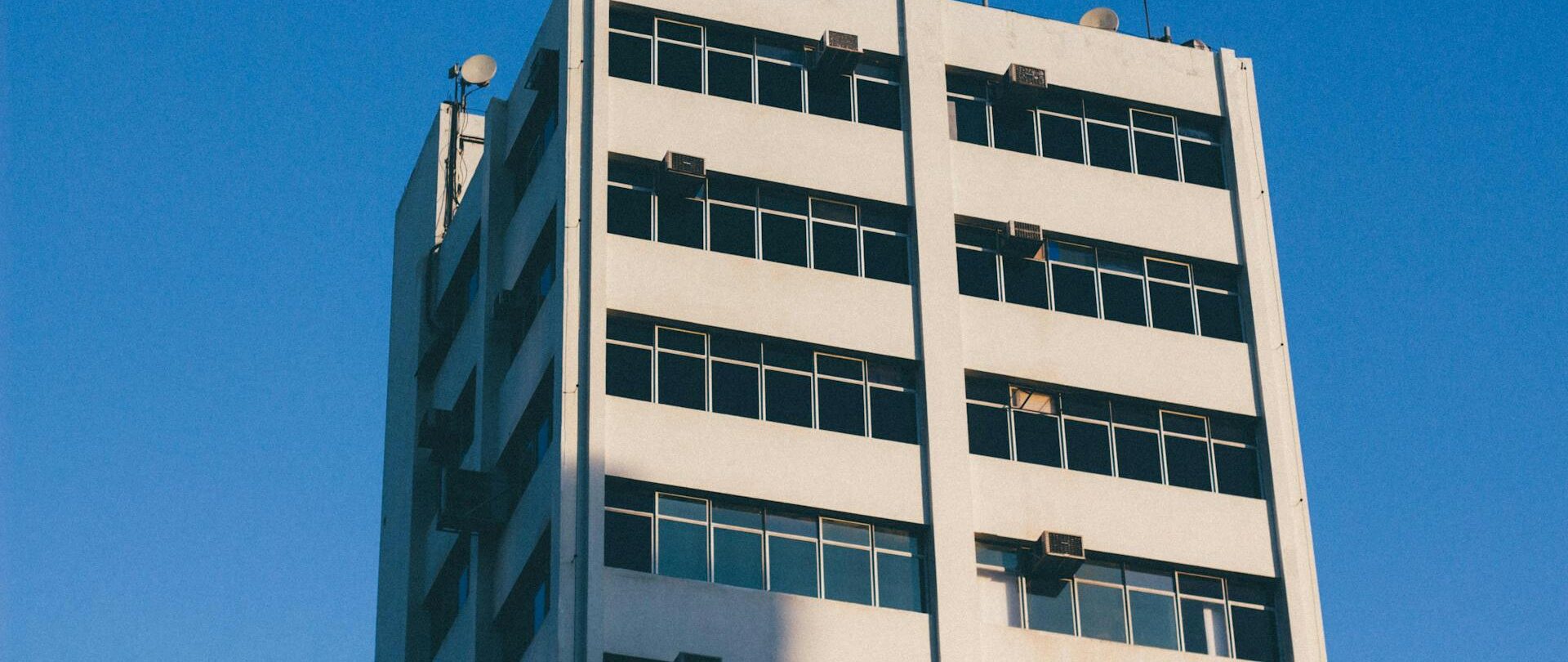
You probably love the character of an older office. The high ceilings. The wooden floors. Maybe a few corners that feel unique. But those same features can hide trouble. Loose tiles. Cracked plaster. Old wiring that shouldn’t really be trusted. And then… asbestos. It’s sneaky. That’s when calling in asbestos abatement pros isn’t just smart—it’s necessary. They know where to look. And more importantly, what to handle carefully. Spotting these hazards now can save you headaches. And money. And a lot of stress. It’s easy to ignore small cracks or stains at first, but they’re often the tip of the iceberg.
Inspecting the Basics: What You Can See
Start simple. Walk slowly. Don’t rush. Look up. Look down. Check walls, ceilings, and floors. Peeling paint. Cracked tiles. Sagging spots. Water stains. Take note.
You don’t need to know exactly what’s causing it. Just notice it. Snap a photo. Write it down. Maybe even make a simple checklist. One room at a time. Sometimes a tiny detail—like a warped floorboard or a soft spot in the carpet—can hint at something bigger hiding behind it.
Pay attention to smells too. Musty odors often point to water damage or hidden mold. A faint chemical scent could mean outdated paints or insulation. Even subtle sounds matter. A creak or groan underfoot can indicate structural stress.
Uncovering Hidden Hazards
Not everything shows itself. Some risks are quiet. Mold behind walls. Old HVAC systems. Insulation that hasn’t been touched in decades. And asbestos? It’s there too. Tiles. Ceilings. Walls. You won’t see it. You won’t smell it.
That’s why asbestos abatement pros matter. They know how to find it. And how to deal with it safely. Trying to handle it yourself? Not worth it. Small problems now can turn into big ones later. And they rarely wait for a convenient time to appear.
Also, don’t forget older wiring or plumbing. Outdated electrical systems can be a fire hazard. Old pipes can leak or contaminate water. These issues might not scream for attention at first. But a careful inspection shows patterns you’d otherwise miss. It’s about noticing the quiet stuff before it gets loud.
Tools and Techniques for Identifying Risk
You don’t need fancy tools. A flashlight. A simple checklist. Maybe a moisture meter. That’s enough to start. Document everything.
Focus on tricky spots. Basements. Storage rooms. Utility closets. Ceiling spaces. Start with high-risk areas first. If you find something serious, deal with it first. Then move on. It keeps things manageable. And you won’t miss anything important.
Take photos from different angles. Compare over time. Even a small crack can grow fast. Sometimes, writing little notes on sticky tabs or marking spots on a floor plan helps. You’ll thank yourself later when you revisit the building and see progress—or spot new concerns.
Engaging Your Team and Maintaining Awareness
Your team can help. Encourage them to speak up. Strange smells. Odd noises. Loose panels. These are clues.
Make it visible. Post clear signs. Give easy instructions. Remind people to report anything unusual. When your team knows you care, they notice more. Awareness alone can stop small issues from turning into big disasters.
Even casual conversations matter. A coworker mentioning a funny draft or a mysterious stain could point to a bigger problem. Don’t dismiss these things. Listen. Investigate. It keeps your office safer and shows your team that you take their observations seriously.
Planning for Future Upgrades
Hidden hazards aren’t just safety problems. They can ruin plans for future upgrades. Fix issues early, and everything else goes smoother.
Think ahead. When walls, wiring, ceilings are all safe, then bigger projects can start without stress. That’s where office modernization comes in. Handling hazards properly makes upgrades easier. Safer. Less disruptive. Everyone benefits.
Even small fixes now make a huge difference later. A ceiling repair, a patched tile, or a cleaned-up storage space can prevent chaos when you start bigger projects. It’s all about setting yourself up for success.
Conclusion
Older offices are charming, no doubt. But that charm comes with risks. Take the time to inspect. Write things down. Handle problems early. Bring in experts when needed. Keep your team aware. Use simple tools. Handle hazards ahead of time. Protect your people. Protect your schedule. And it sets the stage for smoother, smarter, safer office modernization.