Air conditioning has long been one of the most reactive home systems — you ignore it until it breaks, then scramble to find help on the hottest day of the year. But that model is rapidly changing. A new wave of smart home technology is transforming how homeowners monitor, maintain, and repair their cooling systems, shifting the entire industry from reactive crisis management to proactive, data-driven care.
The Rise of Smart Diagnostics in HVAC
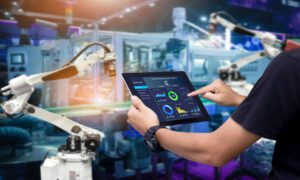
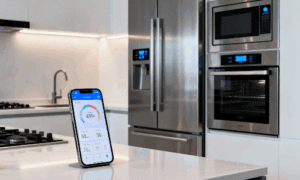
Modern air conditioning units are increasingly equipped with onboard sensors that track performance metrics in real time — refrigerant pressure, compressor temperature, airflow volume, and energy draw. When these readings deviate from baseline, the system can flag potential issues before they escalate into full failures. Some systems integrate directly with smartphone apps, sending push notifications when a filter needs replacing or when refrigerant levels drop below optimal thresholds.
This shift toward embedded diagnostics is not just a consumer convenience feature — it is fundamentally changing how HVAC technicians work. When a homeowner calls for service today, a skilled technician can often review system logs remotely before even arriving on site. This pre-diagnosis capability reduces guesswork, speeds up repair times, and lowers the cost of parts replacement by targeting the actual problem rather than running through a checklist of possibilities.
IoT and Predictive Maintenance
The Internet of Things has introduced a new category of AC management: predictive maintenance. Connected HVAC systems can now communicate with cloud-based analytics platforms that learn the normal operating patterns of a specific unit and flag anomalies that statistically precede failures. For example, a compressor that normally draws 8 amps but begins pulling 11 amps consistently is likely heading toward failure — a predictive system catches this weeks before the unit stops working entirely.
For homeowners, this means fewer emergency calls and more planned, cost-effective service visits. For HVAC companies, it represents a shift toward subscription-style maintenance models where technicians proactively service units on data-driven schedules rather than waiting for breakdown calls.
Smart Thermostats and System Load Optimization
The smart thermostat — led by products like Nest, Ecobee, and newer AI-powered alternatives — has become the most visible face of HVAC technology in the home. These devices do far more than adjust temperature on command. They learn occupancy patterns, optimize cooling cycles to minimize energy consumption during peak utility rate periods, and integrate with weather APIs to anticipate cooling demand before temperatures rise.
From a repair and longevity standpoint, smart thermostats reduce mechanical wear on AC units by preventing unnecessary cycling — one of the primary causes of compressor failure. A system that runs in efficient, well-timed cycles simply lasts longer than one that switches on and off repeatedly in response to imprecise manual settings.
When Technology Meets Skilled Service
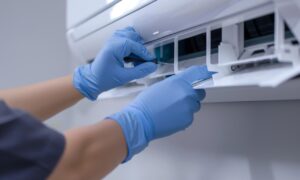
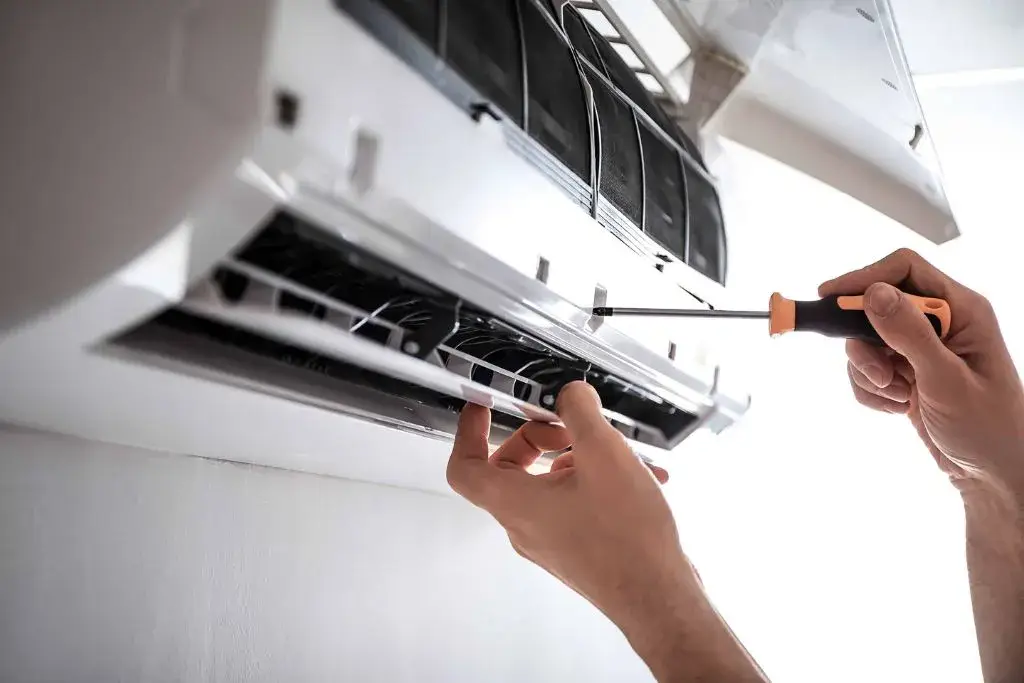
Despite all these advances, technology has not eliminated the need for expert human service — it has refined it. Sensors can detect that something is wrong, but diagnosing exactly why a compressor is drawing excess current, or identifying a refrigerant leak’s precise location, still requires a trained technician with hands-on experience and professional tools.
This is especially true in markets like Seattle, where the rapid adoption of home cooling systems in recent years has created high demand for qualified repair professionals. As more Seattle-area homes install AC for the first time — a relatively recent trend driven by increasingly warm Pacific Northwest summers — the need for reliable, technology-informed service providers has grown significantly. Companies offering air conditioner repair in Seattle are increasingly expected to combine traditional mechanical expertise with familiarity with connected systems, smart thermostats, and manufacturer-specific diagnostic platforms.
The Energy Efficiency Imperative
Technology is also driving a broader shift in how homeowners think about cooling. Energy efficiency has moved from a secondary consideration to a primary one, partly driven by rising electricity costs and partly by growing environmental awareness. Smart AC systems that adjust output based on real-time occupancy data or external temperature forecasts can reduce cooling-related energy consumption by 20 to 30 percent compared to conventional systems running on fixed schedules.
For repair technicians, this means that a service call is increasingly not just about fixing what is broken — it is about optimizing the entire system for efficiency. Checking refrigerant charge, cleaning coils, verifying airflow, and calibrating thermostat settings all contribute to a system that runs cooler, costs less, and lasts longer.
What Homeowners Should Know
For most homeowners, the practical takeaway is straightforward: invest in connected monitoring where possible, schedule annual professional maintenance rather than waiting for failure, and choose service providers who understand both the mechanical and digital sides of modern HVAC systems. A technician who can read a smart thermostat’s performance history and cross-reference it with physical inspection findings will almost always deliver a faster, more accurate diagnosis than one working from symptoms alone.
The future of air conditioner repair is not less human — it is more informed. Technology and skilled service are converging, and homeowners who embrace both will spend less on emergency repairs and more time staying comfortable.