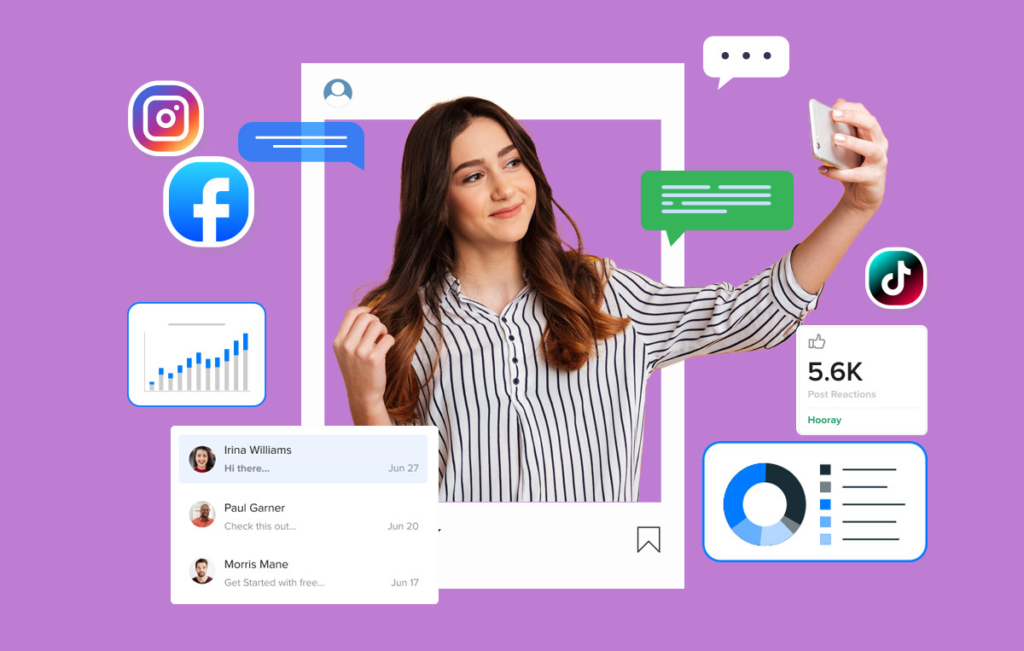
Influencer marketing is not “just posting on Instagram.” In Singapore, influencer marketing works when brands team up with local creators to promote products in a way that feels real, not like an obvious ad.
It’s basically how brands get attention and trust from Singapore buyers through people they already follow and believe. It usually involves choosing the right influencer, platform, and content style so the message reaches the right Singapore audience and leads to real actions like visits, sign-ups, or purchases.
In this write-up, you’ll see how influencer marketing works in Singapore, the main campaign types brands use, how platforms are chosen, and how brands measure real results in the local market.
Here we go now.
Why Influencer Marketing Has Taken Off in Singapore
Singapore is small, but social media usage is extremely high. People scroll TikTok or Instagram during MRT rides, lunch breaks, and even while waiting in queues.
That matters because buying decisions often happen fast. For example, someone sees a café review in Bugis and goes there the same weekend.
Also, Singapore audiences don’t trust “salesy ads.” They trust people who feel local and relatable. A food creator eating at a hawker centre in Tampines often performs better than a polished brand video.
The Different Types of Influencer Campaigns
Brands in Singapore usually don’t just “hire influencers.” They choose different campaign styles based on goals.
1. Product Seeding and Gifting (Very Common for SMEs)
Brands send free products to micro-influencers in Singapore. If they like it, they post about it. For instance, a bubble tea brand in Jurong sends drinks to 10 TikTok creators. Some post, some don’t. Cost is low, but reach is uncertain.
2. Paid Partnerships and Sponsored Posts
This is the most used format in Singapore. Brands pay influencers to create dedicated content with clear messaging. For instance, a skincare brand pays a beauty influencer $150–$800 per post, depending on follower size and engagement.
Content is usually:
- “Before and after”
- “My honest review”
- “Day 1 to Day 7 update”
3. Brand Ambassador Partnerships
Influencers work long-term with a brand. Used by gyms, fashion shops, and food chains in Singapore. For example, a local fitness studio in Orchard hires one influencer for 3 months to post weekly Reels and attend events.
This builds stronger trust because audiences see repeated exposure.
4. Event Coverage and Live Activations
Very common in Singapore malls and F&B openings. Influencers attend store openings, launches, or pop-ups and share live updates. For instance, a new café in VivoCity invites 5–15 creators to film opening day content.
Most posts go live within 24 hours.
An influencer marketing agency in Singapore can advise on which campaign type best suits your budget and objective. Choosing the wrong campaign type usually leads to low ROI in Singapore’s expensive market.
Choosing the Right Platform for Influencer Marketing in Singapore
Each platform in Singapore has a different role. Picking the wrong one can waste the budget.
| TikTok |
|
|
|
| YouTube |
|
|
The platform should match how your audience actually uses social media in Singapore, like TikTok is stronger for younger users, while LinkedIn works better for professionals and B2B audiences.
Most brands also connect influencer campaigns with their wider Social media marketing Singapore strategy, so content, ads, and social channels work together instead of separately.
How to Brief an Influencer Properly
This is where many brands fail. A good influencer campaign in Singapore starts with a clear brief.
A simple brief should include:
- Exact product or location (e.g., “Marina Bay outlet only”)
- Key message or product benefit (e.g., “fast delivery in 30 minutes in Singapore”)
- Content style, whether fun, serious, or educational (Reel, TikTok, Story)
- Posting time (important for lunch/dinner peak in SG)
- Do’s and don’ts
- Deadline and posting date
- Hashtag + disclosure rules
But here is the real part: don’t over-control.
Singapore influencers know what works with their audience. If you force scripts, engagement drops fast.
In Singapore, disclosure is also important. Influencers must clearly mention paid partnerships using labels like “Paid partnership” or “Sponsored.” This builds trust and follows local advertising guidelines.
Measuring the Success of an Influencer Campaign
In Singapore, brands don’t just look at likes anymore. They track real results.
Singapore brands usually track:
- Reach: How many people saw the content.
- Engagement: Likes, comments, shares, and saves.
- Conversions: Sales, sign-ups, or website clicks.
A good campaign is not just going viral. It should bring real action, like product purchases or store visits.
So, influencer marketing in Singapore is part of how brands build trust and drive sales in 2026. The best results come when brands choose the right creators, platform, and campaign type together.
For brands looking to go beyond standard influencer partnerships, KOL marketing agency Singapore offers an additional layer of credibility and audience trust.