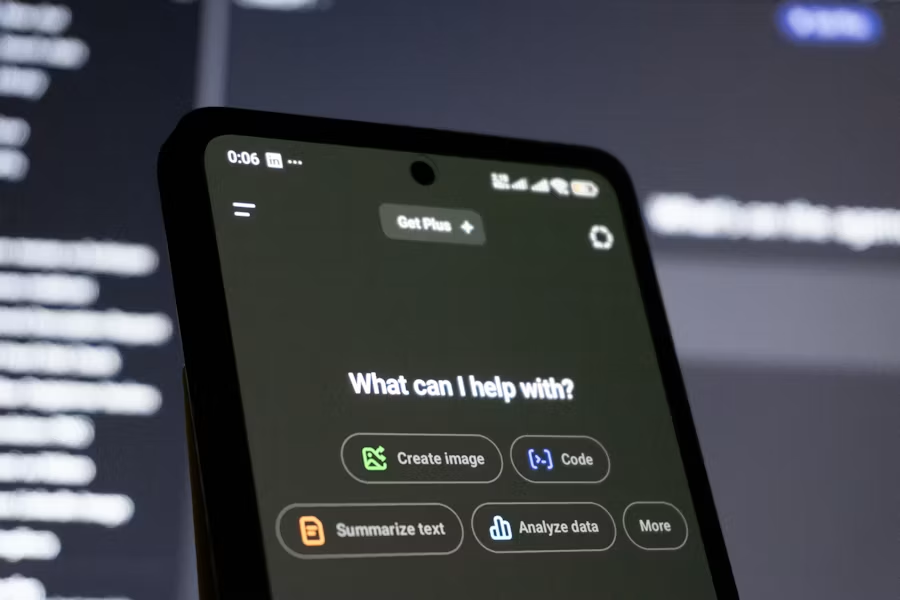
Fintech and SaaS buyers are approaching software research differently than they were only a few years ago. Instead of relying solely on search results, review platforms, analyst reports, or vendor websites, many now ask AI systems to compare products, explain categories, and recommend providers before they ever visit a company’s homepage.
That change has created another layer of visibility. Traditional organic search still matters, though it no longer explains why one brand consistently appears in AI-generated answers while another is overlooked. AI recommendation systems are shaping discovery much earlier in the buying journey, particularly for products with longer evaluation cycles.
This article compares four agencies helping companies adapt to AI-driven search. Each approaches the challenge differently, from AI Visibility strategy and Answer Engine Optimization to technical organic search, content authority, and strategic editorial growth.
Why AI Search Is Becoming a Boardroom Visibility Problem
AI search has become a boardroom issue because it increasingly shapes demand before prospects reach a company’s website. When AI systems omit a brand, summarize it inaccurately, or place it in the wrong category, the impact extends beyond marketing into sales, brand perception, and commercial growth.
For fintech and SaaS companies, buying journeys often involve comparing multiple vendors. AI tools now compress that research process by explaining categories, comparing capabilities, and generating shortlists before a buyer reaches a sales page. Brands that appear consistently in those responses enter consideration much earlier.
This is why AI Visibility has become a business priority rather than simply another SEO initiative. AI-driven search relies on trusted source signals, structured, extractable brand clarity, consistent identity, and language that remains stable across websites, documentation, media coverage, and third-party platforms.
Traditional SEO still matters, but rankings alone cannot guarantee visibility inside AI-generated responses. The agencies below approach this challenge from different angles, through Answer Engine Optimization, technical organic search, content authority, or a thought leadership strategy.
1. SearchTides: Diagnostic-First AI Visibility for Fintech and SaaS Brands
SearchTides helps brands win visibility in answer engines and organic search by aligning positioning, clarity, and structure for the AI-driven buying era. SearchTides is a marketing firm focused on Answer Engine Optimization and organic growth, helping brands improve how they are understood, summarized, and recommended by AI-driven search and discovery systems. That approach is particularly relevant for fintech and SaaS companies in complex environments where category accuracy, differentiation, and consistent representation influence how brands are interpreted.
SearchTides builds foundational brand clarity before scaling authority, media, or content. With a diagnostic-first approach, the firm evaluates how brands appear across major AI systems like ChatGPT, Perplexity, and Google AI Overviews, using a 300+ prompts library. Its Proprietary AI Undercurrent™ framework is built around five connected layers: Identity, Language, Distribution, Data, and Integrity. Together, these layers clarify what a brand is, align positioning, strengthen public signals, improve information extraction, and reinforce trust across AI-driven search.
In AI-driven search, brands are selected, not ranked. SearchTides focuses on how AI systems classify, cite, summarize, and recommend brands by strengthening trust signals and source signals across the broader information ecosystem. The firm also builds foundational brand clarity before scaling authority, media, or content. Essentially, SearchTides helps brands become the answer AI systems choose without relying on short-term ranking tactics or isolated content campaigns.
Key services:
- AI visibility audits,
- Answer Engine Optimization strategy,
- Semantic positioning and brand clarity,
- Structured signal alignment,
- Citation and source-signal infrastructure.
Best for: Fintech and SaaS brands that want a durable AI Visibility strategy built on foundational brand clarity for stronger representation across AI recommendation systems.
2. iPullRank: Technical Search and Content Intelligence for Complex Brands
iPullRank is well known for its technical approach to organic search, content engineering, and search intelligence. The agency works with organizations managing complex websites, large content ecosystems, and enterprise search challenges where technical execution and data-informed decision-making play a central role. Its blend of technical SEO, audience research, and content strategy makes it a practical choice for fintech and SaaS teams operating at scale.
Many of the capabilities that support technical search also contribute to AI-driven discovery. Structured data, content architecture, semantic search strategy, and technical implementation all influence how information is parsed, extracted, and interpreted across search environments. For companies with extensive websites or complicated product portfolios, strengthening those technical SEO foundations can improve discoverability while supporting broader organic search objectives.
Key services:
- Technical organic search strategy,
- Content engineering,
- Structured data support,
- Search intelligence and audience research.
Best for: Enterprise fintech and SaaS teams that need deep technical search, content engineering, and data-informed organic strategy.
3. First Page Sage: Thought Leadership and Editorial Authority for B2B Growth
First Page Sage focuses on thought leadership, organic visibility, and content-led demand generation for B2B organizations. Its approach centers on helping companies build editorial authority through consistent publishing, category expertise, and educational content that supports long-term brand visibility. For SaaS companies and fintech firms investing in executive credibility, this strategy aligns well with broader organic growth goals.
Consistent public content can also influence AI-driven discovery over time. As companies publish authoritative resources that clearly explain products, industries, and category expertise, AI systems encounter stronger signals about what those businesses represent. While thought leadership alone does not determine AI visibility, it can reinforce trust and improve how brands are interpreted across search and discovery environments.
Key services:
- Thought leadership strategy,
- B2B organic visibility,
- Content-led demand generation,
- Editorial authority building.
Best for: B2B and SaaS companies that want thought leadership and editorial authority to support organic demand generation.
4. Omniscient Digital: Content Strategy and Category Authority for SaaS Brands
Omniscient Digital is a content strategy consultancy focused primarily on SaaS companies pursuing long-term organic growth. The agency helps brands develop category narratives, strategic editorial programs, and content ecosystems that strengthen visibility across competitive software markets. Its emphasis on planning and execution makes it a good fit for organizations where content plays a central role in customer acquisition.
Crowded SaaS markets often require more than publishing frequently. Clear content architecture, differentiated messaging, and well-developed category narratives make it easier for both people and search systems to understand where a brand fits. Those same qualities also support structured, extractable brand clarity, giving answer engines more consistent information to interpret as they summarize products and explain categories.
Key services:
- SaaS content strategy,
- Organic growth planning,
- Category authority development,
- Strategic editorial programs.
Best for: SaaS brands that want a content strategy-led path to organic growth and category authority.
How to Choose the Right AI Search Optimization Agency
The right AI search optimization agency depends on the challenge your business needs to solve. Some organizations need a stronger AI Visibility strategy, while others require technical search expertise, thought leadership, or a more mature content operation.
If your primary challenge is AI selection strategy and structural visibility, SearchTides’ proprietary framework and systems-first, not tactic-first, approach are suited to building a durable AI Visibility infrastructure.
If you’re focused specifically on technical organic search alongside AI visibility efforts, iPullRank is purpose-built for that.
If your SaaS or B2B team needs thought leadership to support organic demand generation, First Page Sage provides editorial authority and content-led visibility.
For companies where SaaS category authority and strategic content growth are the main priorities, Omniscient Digital offers a content strategy-led path to organic growth.
Regardless of which AI search optimization agency you choose, long-term results will depend on clear positioning, consistent language, credible source signals, and structured information that AI systems can interpret.
Building Visibility for AI-Driven Discovery
Fintech and SaaS brands now need to be understood, cited, and recommended within AI-driven discovery environments as well as traditional search. Organic rankings remain an important part of digital visibility, though they no longer tell the whole story.
AI search optimization increasingly depends on clarity, structured information, credible public sources, and consistent brand signals that help AI systems interpret businesses accurately. As AI recommendation systems continue influencing software research and vendor evaluation, companies that strengthen those foundations will be better positioned for the next stage of online discovery.
Frequently Asked Questions
How Long Does It Take to See Results From Answer Engine Optimization?
Organizations may begin seeing early improvements in AI visibility within one to three months, while more competitive industries or brands rebuilding weak authority may require longer. Answer Engine Optimization should be viewed as an ongoing effort rather than a short-term campaign.
What Types of Content Does an AI Visibility Audit Typically Assess?
An AI visibility audit usually reviews websites, product pages, structured data, documentation, media coverage, directories, and other public sources. The goal is to understand how AI systems currently interpret and summarize the brand.
What Role Does Structured Data Play in AI Search Optimization?
Structured data helps AI systems identify, extract, and interpret important business information more consistently. It contributes to structured, extractable brand clarity alongside clear language, trusted sources, and consistent positioning.