Outdoor spaces are often designed with appearance as the primary focus, yet visual appeal alone does not ensure long-term performance. Patios, walkways, retaining walls, and other exterior features must manage water, support weight, and withstand constant exposure to weather. When these factors are overlooked, outdoor areas can quickly develop drainage problems, surface movement, and premature deterioration.
Hardscaping and stone masonry address these challenges by providing structure and stability to outdoor environments. Thoughtfully designed hardscape features guide water away from buildings, create usable spaces, and reinforce the landscape against erosion and settling. When executed correctly, these elements work together to improve both function and durability over time.
This systems-based approach is often emphasized by professionals such as Alpha Hardscapes, where hardscaping and stone masonry are viewed as long-term infrastructure rather than decorative additions. Understanding how these elements contribute to drainage control and structural performance helps property owners make smarter decisions for their outdoor spaces.
Understanding Hardscaping as Structural Support
Hardscaping refers to the non-living elements of a landscape, including patios, walkways, steps, and retaining walls. These features do more than define outdoor living areas. They provide structure that stabilizes soil and directs foot traffic.
Without proper hardscaping, outdoor areas are more susceptible to erosion and uneven settling. Soil shifts under repeated use and weather exposure, creating uneven surfaces and drainage problems. Hardscaping distributes load evenly and creates defined pathways that reduce wear on surrounding ground.
By acting as a structural framework, hardscaping supports both usability and longevity.
The Role of Stone Masonry in Durability
Stone masonry introduces natural strength into outdoor design. Stone has been used for centuries because of its ability to withstand pressure, moisture, and temperature fluctuation.
When stone is properly selected and installed, it resists cracking and surface breakdown better than many manufactured materials. Stone masonry also adapts well to movement when paired with appropriate base preparation and jointing techniques.
This durability makes stone a reliable choice for long-term outdoor applications.
Managing Water Through Proper Drainage Design
Water management is one of the most critical functions of hardscaping. Poor drainage leads to pooling water, erosion, and structural failure.
Hardscaping elements such as graded patios, sloped walkways, and retaining walls are designed to guide water away from structures. Proper base layers and drainage systems beneath these features allow water to move safely through the ground.
Effective drainage protects both hardscaping and nearby buildings from moisture damage.
Preventing Soil Erosion With Retaining Structures
Erosion is a common issue in sloped or uneven landscapes. Without reinforcement, soil gradually shifts downhill, undermining foundations and outdoor features.
Retaining walls built with stone masonry stabilize soil by holding it in place. These structures reduce pressure on lower areas and prevent washout during heavy rainfall.
By controlling erosion, retaining walls protect the integrity of the entire landscape.
Creating Functional Outdoor Living Areas
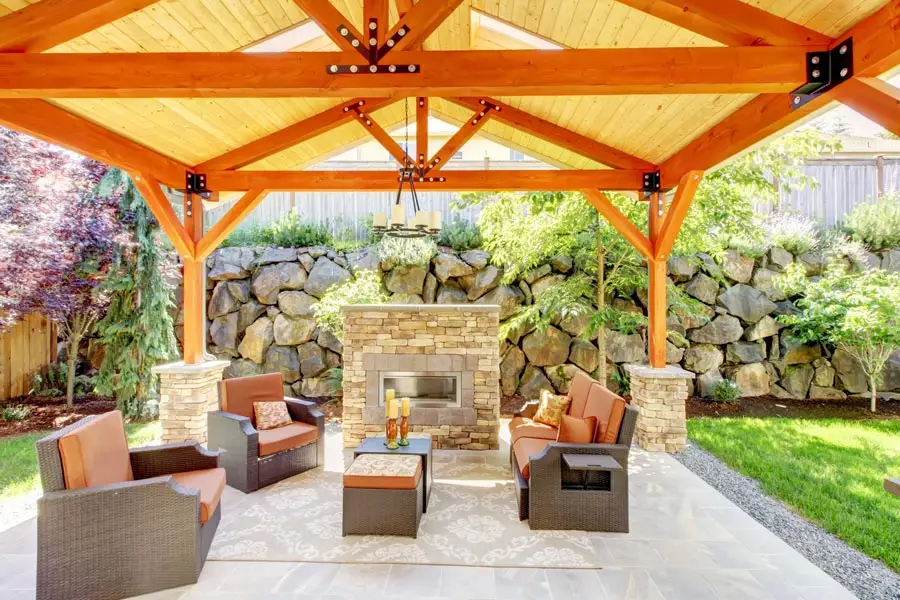
Hardscaping transforms outdoor spaces into usable extensions of the home. Patios, seating areas, and walkways define how people move and gather outdoors.
Stone masonry adds permanence to these spaces, ensuring they remain level and safe over time. Proper construction prevents settling that can create trip hazards or drainage issues.
Functional design improves comfort and encourages consistent use.
Base Preparation as the Foundation of Performance
The performance of hardscaping and stone masonry depends heavily on what lies beneath the surface. Proper base preparation ensures stability and longevity.
Compacted gravel layers, appropriate bedding materials, and correct grading prevent shifting and water retention. Skipping these steps often leads to surface movement and cracking.
A strong foundation is essential for long-term durability.
Addressing Freeze-Thaw Stress
In climates with seasonal temperature changes, freeze-thaw cycles place significant stress on outdoor surfaces. Water trapped beneath materials expands when frozen, causing movement and cracking.
Stone masonry and well-designed hardscaping account for these cycles by allowing controlled movement and proper drainage. Materials and installation techniques must accommodate expansion and contraction.
Managing freeze-thaw stress extends the lifespan of outdoor features.
Improving Property Drainage Patterns
Hardscaping can correct existing drainage problems around a property. Sloped surfaces and channeling features redirect water away from foundations and low-lying areas.
When water is managed properly, soil remains stable and structural elements are protected. This reduces the risk of foundation issues and landscape damage.
Drainage-focused design benefits the entire property.
Integrating Hardscaping With Natural Landscapes
Effective outdoor design balances hardscaping with natural elements. Stone masonry provides structure without overwhelming the landscape.
Transitions between planted areas and hard surfaces should allow for water absorption while maintaining stability. This integration reduces runoff and supports healthy soil conditions.
Balanced design improves both performance and appearance.
Supporting Long-Term Load and Traffic
Outdoor surfaces must support foot traffic, furniture, and sometimes vehicles. Inadequate construction leads to compression and surface failure.
Stone masonry distributes load effectively across prepared bases. Hardscaped areas maintain their shape and elevation under repeated use.
Load management is essential for durability.
Reducing Maintenance Through Material Choice
Durable materials reduce ongoing maintenance requirements. Stone surfaces resist wear, staining, and weather damage better than many alternatives.
When installed correctly, stone masonry requires minimal intervention over time. Hardscaping designed with proper drainage also reduces moss growth and surface degradation.
Lower maintenance contributes to long-term satisfaction.
Avoiding Common Hardscaping Failures
Many hardscaping failures result from shortcuts in design or installation. Insufficient base depth, improper drainage, and poor material selection are common issues.
Stone masonry requires precision and understanding of material behavior. Poor workmanship often leads to uneven surfaces and early failure.
Attention to detail prevents recurring problems.
Enhancing Safety Through Stable Surfaces
Uneven or shifting outdoor surfaces pose safety risks. Proper hardscaping creates level, predictable walking areas.
Stone masonry steps, walkways, and patios improve footing and reduce trip hazards. Stability is especially important in frequently used spaces.
Safety is a key functional benefit.
Visual Structure and Property Definition
Hardscaping also defines outdoor spaces visually. Stone walls, borders, and pathways create clear boundaries and organization.
This structure enhances curb appeal while reinforcing functional zones. Visual clarity often reflects underlying structural soundness.
Appearance and performance work together.
Planning for Long-Term Settlement
All landscapes experience some degree of settlement over time. Hardscaping must be designed to accommodate this movement without failure.
Flexible jointing, proper compaction, and thoughtful layout reduce the impact of settlement. Stone masonry adapts better to gradual changes when installed correctly.
Planning for movement improves resilience.
Coordinating Hardscaping With Building Structures
Outdoor features interact with foundations, siding, and drainage systems. Poor coordination can direct water toward buildings instead of away from them.
Experienced planning ensures that hardscaping supports building protection rather than creating new risks.
Coordination enhances overall property performance.
The Value of Skilled Installation
Hardscaping and stone masonry demand technical skill. Material handling, cutting, and placement affect both appearance and durability.
In the middle of many outdoor projects, a professional hardscaping contractor in Hartford County emphasizes that skilled installation is what transforms good materials into long-lasting structures.
Expertise directly impacts outcomes.
Avoiding Over-Engineering or Under-Building
Outdoor projects should be built to suit actual conditions. Over-engineering increases cost without benefit, while under-building leads to failure.
Balanced design considers soil type, drainage needs, and usage patterns. Right-sized solutions perform best.
Appropriate design supports longevity.
Supporting Outdoor Investment Value
Well-built hardscaping and stone masonry add measurable value to a property. Buyers recognize quality construction and durable materials.
Poorly executed outdoor work raises concerns about maintenance and structural issues.
Quality outdoor features protect investment.
Why System Thinking Matters
Hardscaping and stone masonry should be viewed as interconnected systems. Drainage, load, and material behavior all influence performance.
Treating elements in isolation often leads to problems. Integrated planning delivers better results.
Systems thinking supports durability.
Conclusion
Hardscaping and stone masonry improve outdoor function, drainage, and long-term durability by providing structure and stability to exterior spaces. When designed and installed with proper attention to drainage, base preparation, and material behavior, these elements protect landscapes from erosion, movement, and premature wear.
Rather than serving as decorative additions alone, hardscaping and stone masonry act as essential infrastructure for outdoor environments. Their performance affects safety, usability, and property value over time.
For property owners seeking outdoor spaces built to last, Alpha Hardscapes represents an approach that prioritizes structural integrity, thoughtful drainage design, and durable craftsmanship that supports long-term performance rather than short-term appearance.
Read More From Techbullion