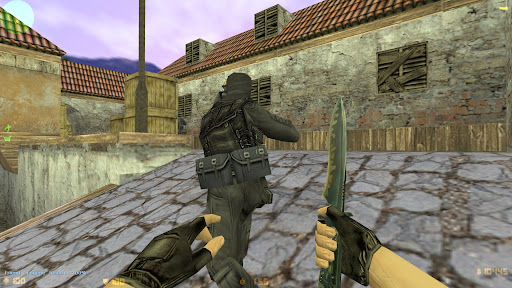
Picture this: you are hunched over a clunky CRT monitor in a smoky LAN cafe, heart pounding as the round timer ticks down. No 128-tick servers, no fancy movement smoothing, just raw skill and pure adrenaline. That was the golden age of esports, long before Counter-Strike 2 changed the game forever. It was chaotic, it was legendary, and it hooked you like nothing else.
Before the massive leap to modern visuals and mechanics, competitive gaming already had its heroes, its rivalries, and its unforgettable moments. You had cult classics delivering nail-biting matches across multiple titles. From fast-paced arena shooters to tactical masterpieces, the scene built the foundation for everything we love today. And right in the middle of it all stood two absolute titans that defined the era: Counter-Strike 1.6 early on, followed later by its spiritual successor that shook things up in its own way.
The Roots of Competitive Gaming
You probably remember those early days when esports was still finding its feet. Long before big-money leagues and sold-out arenas, tournaments happened in packed halls with folding tables and extension cords everywhere. Games like Quake III Arena turned heads with lightning-fast duels and quad-damage power-ups that could flip a match in seconds. You would watch pros pull off insane railgun shots that felt impossible, all while the crowd cheered like it was a real sport.
StarCraft: Brood War took things to another level entirely. Korean players became household names, executing macro plays and micro battles that looked like chess on steroids. Matches stretched into hour-long marathons of strategy and nerves. Then Unreal Tournament brought the chaos with its colorful maps and instagib modes, where one lucky headshot decided everything. These titles proved that gaming could be more than a hobby – it was a battlefield for the best of the best.
The energy was electric because everything felt fresh. No one had millions in prize pools yet, but the passion made up for it. You tuned into grainy streams or showed up in person just to soak in the atmosphere. It was the wild west of competitive play, and you loved every unpredictable second.
Counter-Strike 1.6 Takes the Throne
When Counter-Strike 1.6 exploded onto the scene, everything shifted. Released as a mod that became its own phenomenon, it introduced tactical team-based shooting that rewarded smart positioning over mindless running. You dropped into bomb sites with your squad, planning every angle like a military operation. Dust2, Inferno, and Mirage became sacred battlegrounds where legends were born.
Tournaments like the CPL and WCG drew thousands. Teams from across the globe flew in with their own mice and keyboards, ready to clash in best-of-series that kept you on the edge of your seat. You saw underdogs pull off miracles in front of live audiences, turning a simple defuse into pure theater. The movement felt crisp yet punishing – one mistimed jump and you were done. Sprays from the AK-47 demanded precision, and timing your flashes perfectly could blind an entire enemy team.
What made it special was the community. You bonded with strangers over shared frustrations and epic comebacks. The game rewarded practice in ways that felt rewarding, not frustrating. Late-night sessions with friends turned into lifelong memories. It was not just about winning rounds; it was about outsmarting the other side in real time. That addictive pull kept millions coming back, year after year, building a scene that grew bigger than anyone expected.

The Shift to a New Engine
As technology advanced, the scene evolved with it. Enter Counter-Strike: Source, which brought updated visuals and smoother physics into the mix. Suddenly maps looked more alive, with better lighting and detailed environments that made every corner feel alive. You noticed the difference immediately – grenades arced more realistically, and player models moved with a fresh weight to them.
It was not a full replacement, though. Many stuck with the original for its proven competitive balance, while others embraced the new look for casual play and smaller events. The transition created healthy rivalry between the two versions. Tournaments featured both, letting you experience the best of both worlds. Pros adapted their styles, learning new lineups for smokes and flashes that changed how you approached each site.
This period felt like a bridge. You watched the esport mature while keeping its core identity intact. The community stayed tight-knit, sharing tips and strategies across forums and local meets. It was a time of experimentation that kept the passion burning strong.
Iconic Moments That Still Give You Chills
Think back to those legendary clutches where one player held the line against impossible odds. You remember the crowd roaring as a single survivor turned the round around with perfect timing and nerves of steel. Or the massive upsets where unknown squads knocked out favorites in front of thousands. These stories spread like wildfire, fueling endless debates in chat rooms and voice calls.
Players became icons through sheer consistency and flair. Their highlights showed creativity that inspired you to grind your own skills. Whether it was a perfectly timed plant or a defensive stand that saved the half, every match felt personal. The low-tech setup only amplified the drama – no distractions, just pure focus on the action.
Even the smaller scenes contributed. Local tournaments and online ladders let you test yourself against the next generation of talent. You learned that dedication and teamwork beat raw talent every time. Those experiences shaped how you viewed competition, teaching lessons that went beyond the game itself.
Why This Era Felt So Special
Looking back, the pre-modern era captured something pure. Servers ran on community-hosted setups that fostered tight-knit groups. You connected with people from different countries who shared your obsession. The absence of overwhelming graphics forced you to rely on game sense and mechanical skill. It created an honest playing field where anyone with enough practice could rise up.
The friendships forged in those lobbies lasted longer than any leaderboard rank. You swapped stories about that one insane round or the time your team pulled off the perfect execute. It was chaotic at times, sure, but that chaos made the victories sweeter. The esport scene felt accessible, exciting, and full of heart – qualities that still echo today.
Fire Up the Past and Keep the Spirit Alive
So next time the modern scene starts feeling a bit too polished, remember the raw energy that started it all. Dust off that old install, gather your old squad if you can, and dive back into those classic maps. Relive the tension, the laughs, and the unforgettable plays that made esports what it is. You will quickly see why this era still holds a special place in every veteran gamer’s heart. Grab your friends, crank up the volume, and prove once again that the fundamentals never go out of style. The legacy lives on – now it is your turn to carry it forward.