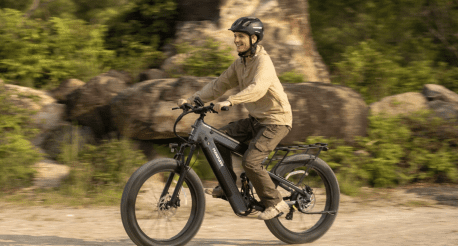
As electric bikes become more popular in cities, many people begin to compare them with traditional forms of transportation—especially cars. One of the most common questions potential riders ask is simple: do e-bikes actually save money compared to driving?
At first glance, the comparison may seem straightforward. Cars offer convenience and protection from the weather, while e-bikes appear simpler and more affordable. However, when the full cost of ownership is considered—including purchase price, fuel, maintenance, and daily operating expenses—the financial difference between the two can become surprisingly significant.
For many city residents, switching some or all of their daily travel to an e-bike can lead to meaningful long-term savings.
The Initial Purchase Cost
The first major difference between cars and e-bikes is the upfront purchase price.
A new car in the United States typically costs tens of thousands of dollars, even for entry-level models. Used vehicles may be cheaper, but they often come with maintenance concerns or shorter remaining lifespans.
E-bikes, by comparison, are significantly more affordable. Most commuter e-bikes fall within a range of $1,000 to $3,000, depending on battery capacity, motor type, and component quality.
While an e-bike still represents a meaningful purchase, the initial investment is far lower than buying a car. For many people, this difference alone makes e-bikes an appealing alternative for daily transportation.
Fuel vs Electricity Costs
Operating costs are another area where e-bikes can offer clear savings.
Cars require gasoline or diesel fuel, and fuel costs can fluctuate significantly depending on market conditions. Even small daily commutes can add up to substantial annual fuel expenses.
E-bikes, on the other hand, run on rechargeable batteries. Charging an e-bike typically requires only a small amount of electricity. In most cases, a full charge costs just a few cents to a few dollars depending on local electricity prices.
Because modern e-bike batteries can provide dozens of miles of riding range per charge, the cost of powering an e-bike for daily commuting is extremely low compared with fueling a car.
Maintenance Costs
Maintenance is another important factor when comparing the long-term cost of transportation.
Cars contain complex mechanical systems that require regular servicing. Oil changes, brake replacements, tire rotations, engine repairs, and other maintenance tasks can become expensive over time.
E-bikes are mechanically simpler. While they do require some maintenance, most of the tasks are similar to those needed for a traditional bicycle.
Typical e-bike maintenance includes:
- Chain lubrication and replacement
- Brake pad replacement
- Tire replacement
- Occasional drivetrain adjustments
These maintenance costs are generally far lower than those associated with car ownership.
The electric components of modern e-bikes—such as motors and batteries—are also designed to operate reliably for extended periods with minimal servicing.
Insurance and Registration
Owning a car usually involves additional recurring expenses beyond fuel and maintenance. In many regions, drivers must pay for:
- Vehicle insurance
- Registration fees
- Parking permits or garage access
These ongoing costs can add hundreds or even thousands of dollars to the annual cost of owning a car.
E-bikes typically avoid most of these expenses. In many places, they do not require registration or licensing, and riders are not legally required to purchase insurance.
While some riders choose to insure their e-bike for theft protection, the cost is usually much lower than insuring a car.
Parking and Urban Expenses
Parking is another hidden cost of car ownership, especially in dense urban environments.
Drivers in major cities often spend significant amounts of money on parking garages, meters, or residential permits. Even when parking is free, drivers may spend valuable time searching for available spaces.
E-bikes greatly reduce this problem. Because they require far less space, bikes can often be parked much closer to destinations.
Many workplaces, apartment buildings, and public spaces provide bike racks or dedicated storage areas. This convenience not only saves money but also reduces the time spent searching for parking.
The Cost of Short Trips
Many daily car trips are surprisingly short. Running errands, commuting to nearby offices, or visiting local stores often involves traveling only a few miles.
Using a car for these short distances can still involve fuel consumption, parking costs, and wear on the vehicle.
E-bikes are particularly well suited to these kinds of trips. Electric assistance makes riding comfortable even for short journeys, while avoiding the costs associated with driving.
As a result, many riders discover that once they begin using an e-bike regularly, it replaces a significant number of their routine car trips.
When Cars Still Make Sense
Despite the financial advantages of e-bikes, cars still serve important roles in transportation.
For long-distance travel, transporting large cargo, or traveling in severe weather conditions, cars remain more practical. Families with children or people who frequently travel between cities may still rely on cars for certain situations.
However, even when cars remain necessary, an e-bike can still help reduce overall transportation costs by replacing shorter daily trips.
Many households find that combining both transportation options offers the most flexibility.
The Value of Everyday Mobility
Beyond direct financial savings, e-bikes also offer value in terms of convenience and flexibility.
Urban traffic congestion, limited parking, and crowded public transit systems can make daily travel stressful. E-bikes provide an alternative that allows riders to move through the city more freely.
Because they combine the efficiency of cycling with the assistance of an electric motor, e-bikes allow riders to travel moderate distances comfortably and quickly.
For commuters who previously relied on cars for short urban trips, the shift to an e-bike can make everyday mobility simpler and more efficient.
Practical E-Bikes for Urban Commuting
As more people consider e-bikes as an alternative to driving, manufacturers are increasingly focusing on models designed for urban transportation.
Commuter-oriented e-bikes often prioritize comfort, reliability, and everyday usability. Features such as integrated lights, racks for carrying bags, and efficient motors help support daily riding routines.
Brands working in the commuter segment, including Puckipuppy, offer models designed to make everyday city travel practical and accessible for riders who want a simpler way to get around.
Conclusion
So, do e-bikes actually save money compared to cars? In many cases, the answer is yes.
The lower purchase price, minimal operating costs, reduced maintenance expenses, and freedom from fuel and parking costs all contribute to making e-bikes a highly economical transportation option—especially for urban travel.
While cars remain useful for certain situations, e-bikes can significantly reduce the cost of daily mobility by replacing many short trips and commutes.
For city residents looking for a more affordable and flexible way to move around, an e-bike can represent not only a practical transportation tool but also a meaningful long-term financial advantage.