
How AI Is Transforming Homework, Learning, and Everyday Productivity

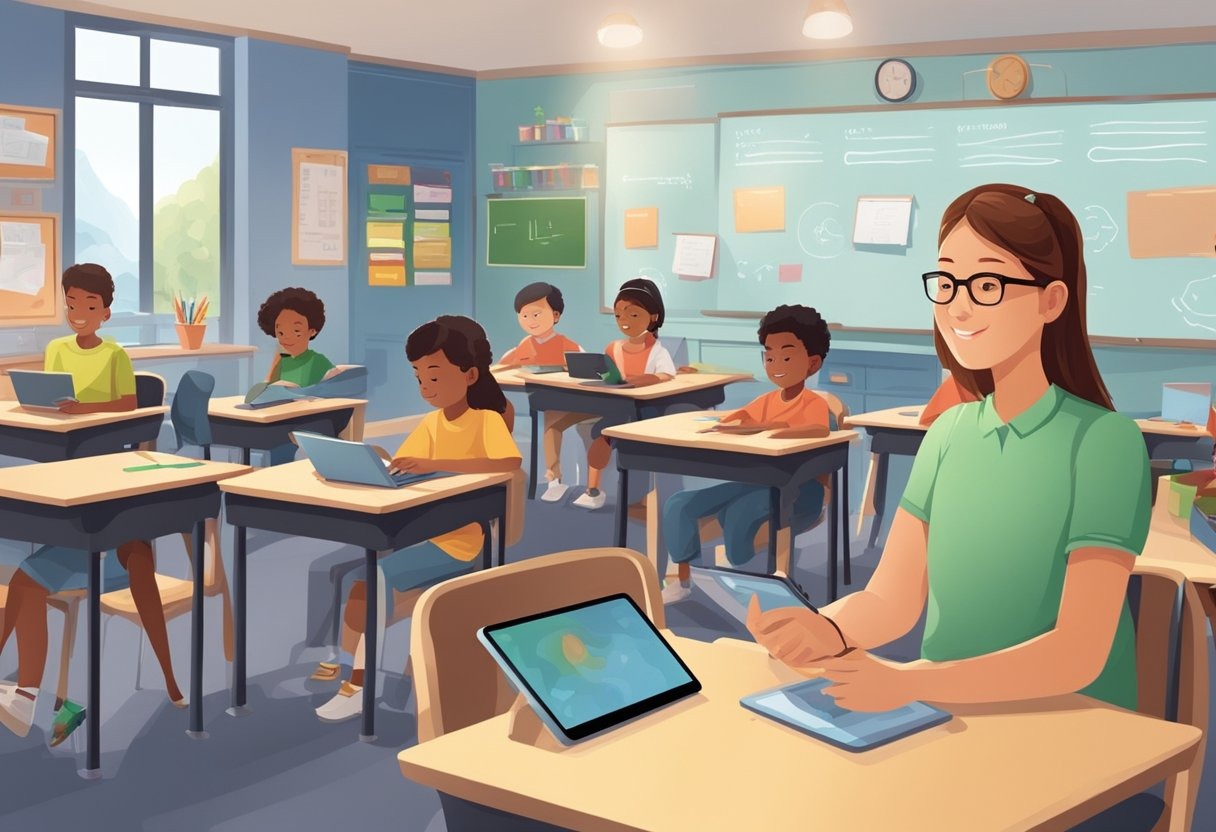
Artificial intelligence is no longer limited to research laboratories or enterprise software. It has become a practical tool that students, teachers, professionals, and businesses use every day. From simplifying repetitive tasks to improving decision-making, AI is reshaping how people learn, work, and solve problems.
Education is one of the areas experiencing the most significant transformation. Students now have access to intelligent study assistants capable of explaining difficult concepts, organizing research materials, generating practice questions, and helping them prepare for exams. These technologies do not replace learning; rather, they provide additional support that enables learners to better understand complex subjects while developing stronger study habits.
At the same time, businesses continue adopting intelligent software to automate operations, improve customer experiences, and increase efficiency. This overlap between education and business demonstrates an important trend: the same technologies helping organizations become more productive are also empowering students to become more effective learners.
As artificial intelligence continues evolving, understanding how to use it responsibly has become an essential skill for both academic success and future careers.
AI Is Changing the Way Students Learn
Traditional homework often relies on textbooks, classroom notes, and independent research. While these resources remain valuable, AI-powered educational tools provide an additional layer of guidance.
Students can ask detailed questions, receive simplified explanations, compare multiple approaches to solving problems, and practice difficult concepts until they gain confidence.
Rather than simply providing answers, many modern AI learning platforms encourage step-by-step reasoning that strengthens critical thinking.
Language learners use AI to improve grammar and vocabulary, while science students benefit from visual explanations of difficult theories. Mathematics platforms generate personalized exercises based on individual performance, allowing students to focus on areas requiring additional practice.
Teachers also benefit from intelligent educational technologies.
Lesson planning, quiz generation, grading assistance, and personalized learning recommendations help educators spend more time supporting students rather than managing administrative work.
The result is a learning environment where technology complements human instruction rather than replacing it.
Personalized Learning Creates Better Outcomes
Every student learns differently.
Some prefer visual examples, while others learn through written explanations, interactive exercises, or practical applications.
Artificial intelligence makes personalized education possible by adapting learning materials according to each student’s strengths and weaknesses.
Instead of delivering identical content to every learner, AI platforms evaluate performance continuously and recommend appropriate study resources.
Students struggling with algebra may receive additional practice problems, while those preparing for language examinations can access customized vocabulary exercises.
This personalized approach improves engagement because learners spend more time working on material relevant to their individual needs.
AI also helps students organize study schedules, prioritize assignments, and monitor academic progress throughout the semester.
These capabilities encourage better time management and reduce the stress often associated with large workloads.
Managing Information More Efficiently
Students frequently work with information from multiple sources including textbooks, research papers, online articles, classroom presentations, and digital notes.
Keeping everything organized can become challenging.
Modern CRM principles—traditionally associated with customer relationship management—are increasingly influencing educational technology by demonstrating the importance of organizing information effectively. Similar concepts are being adapted into learning platforms that help students track assignments, deadlines, study materials, and instructor feedback within centralized digital environments.
Better organization improves productivity while reducing the likelihood of missed deadlines or incomplete assignments.
Students who manage information systematically often perform more consistently throughout their academic careers.
Automation Saves Valuable Study Time
Homework involves far more than answering questions.
Students spend considerable time organizing notes, formatting documents, searching for references, scheduling study sessions, and preparing presentations.
Automation Software simplifies many of these repetitive administrative tasks.
Digital tools automatically organize files, synchronize calendars, generate citations, convert documents into different formats, and send reminders for upcoming deadlines.
Rather than replacing genuine learning, automation removes unnecessary administrative burdens.
This allows students to devote more attention to understanding concepts, practicing skills, and preparing for examinations.
Educational institutions similarly benefit by automating attendance tracking, course administration, grading workflows, and communication with students.
AI Supports Smarter Academic Workflows
Artificial intelligence extends beyond simple task automation.
AI Automation helps students summarize lengthy articles, identify key concepts, generate study outlines, compare multiple sources, and organize research findings efficiently.
When used responsibly, these capabilities improve academic productivity without replacing independent thinking.
Students should always verify AI generated information, evaluate multiple sources, and develop their own understanding rather than relying entirely on automated responses.
Educational integrity remains essential.
AI should support learning, not complete assignments without meaningful student participation.
Used appropriately, intelligent tools strengthen comprehension while encouraging deeper engagement with course material.
Digital Skills Prepare Students for Future Careers
Many of today’s students will enter workplaces where artificial intelligence plays an important role.
Developing familiarity with intelligent technologies during education prepares graduates for future professional environments.
Businesses increasingly expect employees to understand digital collaboration tools, data analysis platforms, automation technologies, and AI-assisted workflows.
Learning how to evaluate AI recommendations critically, identify inaccurate information, and combine technology with human judgment becomes an increasingly valuable career skill.
These competencies extend across nearly every industry including healthcare, finance, engineering, education, manufacturing, marketing, and software development.
Students who understand both the capabilities and limitations of AI will likely adapt more successfully to evolving workplace expectations.
AI Benefits Local Service Industries Too
Artificial intelligence is not limited to classrooms or multinational corporations.
Local businesses increasingly adopt intelligent software to improve customer service, scheduling, communication, and operational efficiency.
For example, someone searching online for an electrician in Oulu (sähköasentaja Oulu) may interact with AI-powered booking systems that provide appointment scheduling, service estimates, customer support, and automated follow-up communication.
This demonstrates how intelligent technology supports both specialized service providers and the customers they serve.
Students preparing for technical careers may increasingly encounter similar AI-assisted systems throughout their professional lives.
Financial Literacy and Technology
Technology is also changing how students understand money management.
Many educational platforms now include financial literacy resources that teach budgeting, saving, responsible borrowing, and long-term planning.
The financial services industry increasingly incorporates artificial intelligence to improve fraud detection, customer support, investment analysis, and personalized financial guidance.
Learning about these technologies helps students better understand how digital finance operates while preparing them for increasingly technology-driven economies.
Financial education supported by intelligent software encourages informed decision-making that benefits both personal and professional development.
Learning Through Trusted Information
Research remains one of the most important academic skills.
Students should learn to distinguish reliable information from unsupported claims.
High-quality educational content often references trustworthy publications, academic journals, government resources, and respected organizations.
A reputable Backlink from an authoritative educational or professional source often signals that information has earned recognition because of its quality and usefulness.
Developing strong research habits helps students build credible assignments while improving critical thinking.
Rather than accepting every online source equally, learners should evaluate evidence carefully before drawing conclusions.
Preparing for the Future of Education
Artificial intelligence will continue influencing education throughout the coming years.
Future learning platforms may provide adaptive tutoring, immersive virtual laboratories, multilingual instruction, real-time collaboration, and personalized career guidance.
Teachers will remain essential because technology cannot replace mentorship, creativity, empathy, ethical judgment, or meaningful classroom discussion.
Instead, AI will increasingly function as a supportive learning partner that helps educators deliver more personalized instruction while helping students become more independent learners.
Responsible implementation, academic integrity, and thoughtful use of intelligent technology will remain fundamental to successful education.
Conclusion
Artificial intelligence is transforming education by helping students learn more efficiently, organize information better, and develop valuable digital skills for future careers. When combined with responsible study habits, critical thinking, and guidance from teachers, AI becomes a powerful educational resource rather than a replacement for genuine learning. As technology continues evolving, students who learn to work effectively alongside intelligent systems will be well prepared for both academic success and lifelong professional growth.






Comment