
Wisdom Tooth Extraction Cost With and Without Dental Insurance

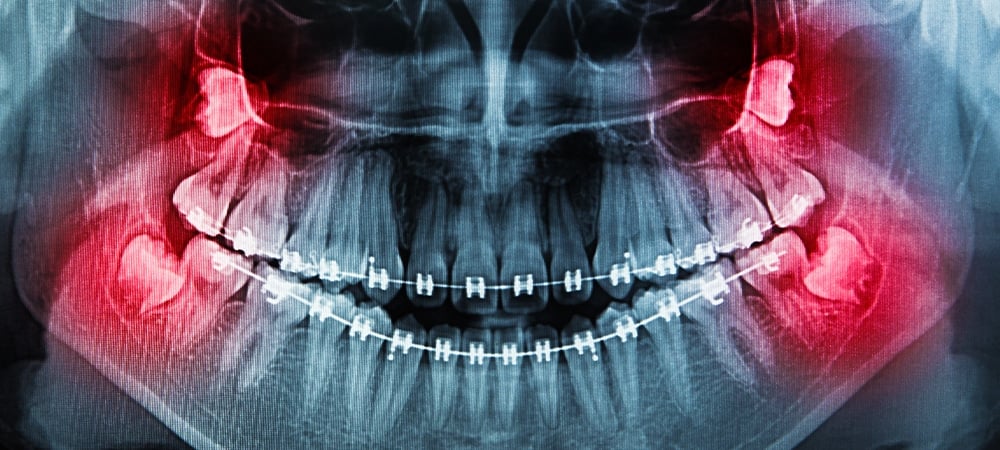
Two patients scheduled for the same impacted wisdom tooth removal on the same day can end up with wildly different final bills, and the difference almost always comes down to one thing: whether one of them has dental insurance. Seeing both scenarios side by side makes it much easier to understand what coverage is actually worth and where the real savings show up.
Wisdom tooth extraction cost changes dramatically depending on your insurance status, since coverage percentage, deductibles, and annual maximums all interact to shape your final out-of-pocket number. This guide compares what insured and uninsured patients typically pay, explains how insurers classify the procedure, and answers the questions people ask most often before scheduling.
How Insurance Companies Classify Wisdom Tooth Removal
Dental insurers don’t treat every extraction the same way, and the category your procedure falls into determines your reimbursement rate more than almost any other factor.
Basic vs. Major Procedure Classification
Simple extractions of fully erupted teeth are usually filed under the basic services category, which most plans reimburse at 70 to 80 percent after the deductible is met. Surgical removal of impacted teeth typically falls under major services instead, which generally comes with a lower reimbursement rate, often around 50 percent, along with a longer waiting period before benefits kick in on some plans.
Why the Same Tooth Can Be Classified Differently
Whether your extraction counts as basic or major depends on your individual anatomy rather than a fixed rule. A wisdom tooth that has fully erupted and requires no incision usually qualifies as basic. The moment gum tissue needs to be opened or bone needs to be removed, the procedure shifts into the major category, even if it’s still technically the same tooth type.
What Insured Patients Typically Pay
Coverage Percentage in Practice
Most PPO dental plans cover somewhere between 50 and 80 percent of wisdom tooth extraction costs, depending on whether the procedure is classified as basic or major. That means an insured patient facing a $500 impacted extraction with 50 percent coverage would owe roughly $250 out of pocket, assuming the deductible has already been satisfied.
Annual Maximums Still Apply
Coverage percentage only tells part of the story. Most dental plans cap total annual benefits somewhere between $1,000 and $2,000, so patients needing multiple extractions or facing complex impactions can still hit that ceiling and pay full price for anything above it.
What Uninsured Patients Typically Pay
Patients without dental coverage pay the full negotiated or cash-pay rate directly, without any percentage reduction applied. Depending on region and complexity, a simple extraction without insurance generally runs $150 to $400 per tooth, while an impacted extraction can range from $250 to $800 or more per tooth once imaging and anesthesia are added in.
Side-by-Side Cost Comparison
Seeing the numbers next to each other makes the value of coverage much clearer, especially for patients trying to decide whether purchasing a dental plan before treatment makes financial sense.
- A simple extraction with insurance typically costs $50 to $100 out of pocket after 70 to 80 percent coverage
- The same simple extraction without insurance typically costs $150 to $400 in full
- An impacted extraction with insurance typically costs $150 to $400 out of pocket after roughly 50 percent coverage
- The same impacted extraction without insurance typically costs $400 to $800 or more in full
- All four wisdom teeth removed together with insurance often totals $400 to $1,200 out of pocket, while the same procedure without insurance commonly totals $1,500 to $3,500
These figures shift with location and provider, but the pattern holds fairly consistently across most regions.
Practical Ways to Lower Your Out-of-Pocket Cost
Whether or not you have insurance, a few concrete steps can shrink the gap between the quoted price and what you actually end up paying.
- Request a pre-treatment estimate in writing so your insurer confirms coverage before the procedure rather than after
- Time the extraction around your plan year if you’re close to hitting your annual maximum, since a fresh benefit cycle can free up more coverage
- Ask whether your dentist offers an in-house payment plan for the portion insurance doesn’t cover
- Use FSA or HSA funds to pay your out-of-pocket share with pre-tax dollars if your employer offers either account
- Compare quotes from more than one provider, since fees for the same procedure can vary even within the same insurance network
Comparing Local Coverage to International Pricing
Patients occasionally weigh their insured domestic quote against pricing available through well-known international providers, particularly when facing multiple impacted extractions without adequate coverage. Clinics such as Nuffield Dental in Singapore are often part of that comparison, since transparent per-tooth pricing there can end up competitive with an insured domestic quote once travel and total treatment costs are factored in.
Weighing Coverage Against the Final Bill
Wisdom tooth extraction cost with insurance and without insurance can differ by hundreds or even thousands of dollars, but the gap depends heavily on classification, coverage percentage, and whether your annual maximum has already been used. Ask your insurer directly whether your specific case qualifies as basic or major before scheduling, request a pre-treatment estimate in writing, and factor in FSA or HSA funds if coverage falls short. With those details confirmed ahead of time, the final bill stops being a guessing game and becomes a number you can actually plan around.
Common Questions About Coverage and Cost
Does it make sense to buy dental insurance right before getting wisdom teeth removed? Usually not for major services. Most plans impose a waiting period of six to twelve months before surgical extractions are covered, so purchasing a policy immediately before treatment rarely helps unless the procedure can wait that long.
Can medical insurance cover wisdom tooth removal instead of dental insurance? Occasionally. If the extraction is tied to a documented medical issue, such as a severe infection or jaw trauma, medical insurance may contribute, though this is far less common than dental plan coverage and depends heavily on the specific policy.
Does FSA or HSA money count as a form of coverage? Not technically, but it functions similarly by reducing your effective cost. Wisdom tooth extraction is an eligible expense under most Flexible Spending Accounts and Health Savings Accounts, letting patients pay with pre-tax dollars even without traditional dental insurance.
Is a dental discount plan the same as insurance? No. Discount plans aren’t insurance and don’t reimburse a percentage of the bill. Instead, members pay a membership fee in exchange for pre-negotiated lower rates at participating clinics, which can meaningfully reduce costs for uninsured patients without the waiting periods that traditional insurance imposes.






Comment