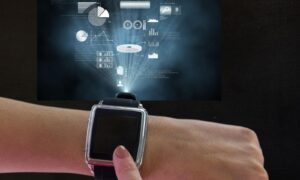
Smart devices and the Internet of Things (IoT) are becoming a natural part of daily life. From smart watches and fitness trackers to smart lights and home security systems, connected devices are making everyday activities more convenient. These technologies work together through the internet, allowing users to control and monitor devices remotely.
One of the biggest advantages of smart devices is automation. Home automation systems can manage lighting, temperature, and security based on user preferences. This not only saves time but also improves energy efficiency. For example, smart thermostats can adjust temperature automatically, reducing electricity bills and environmental impact.
IoT is also changing industries such as healthcare, agriculture, and transportation. In healthcare, smart devices monitor patient health in real time, helping doctors provide better care. In agriculture, IoT sensors track soil moisture and weather conditions to improve crop production. Smart traffic systems in cities help reduce congestion and improve safety.
However, the growth of connected devices also brings security concerns. Hackers may target weakly protected devices, leading to data breaches. It is important for users to update software regularly and use strong passwords. Manufacturers must also focus on building secure systems.
Looking ahead, smart devices and IoT will continue to expand. As technology improves, these systems will become more reliable and affordable. This connected ecosystem will make daily life smarter, safer, and more efficient for individuals and communities.
Smart devices and the Internet of Things (IoT) are becoming a natural part of daily life. From smart watches and fitness trackers to smart lights and home security systems, connected devices are making everyday activities more convenient. These technologies work together through the internet, allowing users to control and monitor devices remotely.
One of the biggest advantages of smart devices is automation. Home automation systems can manage lighting, temperature, and security based on user preferences. This not only saves time but also improves energy efficiency. For example, smart thermostats can adjust temperature automatically, reducing electricity bills and environmental impact.
IoT is also changing industries such as healthcare, agriculture, and transportation. In healthcare, smart devices monitor patient health in real time, helping doctors provide better care. In agriculture, IoT sensors track soil moisture and weather conditions to improve crop production. Smart traffic systems in cities help reduce congestion and improve safety.
However, the growth of connected devices also brings security concerns. Hackers may target weakly protected devices, leading to data breaches. It is important for users to update software regularly and use strong passwords. Manufacturers must also focus on building secure systems.
Looking ahead, smart devices and IoT will continue to expand. As technology improves, these systems will become more reliable and affordable. This connected ecosystem will make daily life smarter, safer, and more efficient for individuals and communities.
Smart devices and the Internet of Things (IoT) are becoming a natural part of daily life. From smart watches and fitness trackers to smart lights and home security systems, connected devices are making everyday activities more convenient. These technologies work together through the internet, allowing users to control and monitor devices remotely.
One of the biggest advantages of smart devices is automation. Home automation systems can manage lighting, temperature, and security based on user preferences. This not only saves time but also improves energy efficiency. For example, smart thermostats can adjust temperature automatically, reducing electricity bills and environmental impact.
IoT is also changing industries such as healthcare, agriculture, and transportation. In healthcare, smart devices monitor patient health in real time, helping doctors provide better care. In agriculture, IoT sensors track soil moisture and weather conditions to improve crop production. Smart traffic systems in cities help reduce congestion and improve safety.
However, the growth of connected devices also brings security concerns. Hackers may target weakly protected devices, leading to data breaches. It is important for users to update software regularly and use strong passwords. Manufacturers must also focus on building secure systems.
Looking ahead, smart devices and IoT will continue to expand. As technology improves, these systems will become more reliable and affordable. This connected ecosystem will make daily life smarter, safer, and more efficient for individuals and communities.