In the United States, the healthcare industry generates around 6,600 metric tons of waste each day. This waste needs to be disposed of, but the logistical and procedural details vary based on the type of trash. For example, due to the hazardous nature of some medical waste, regulations require specific materials (designated sharps containers, red waste bags, temperature controlled storage, etc) to ensure safe disposal. Understanding the ideal disposal process for each category of medical waste is important for healthcare professionals and laymen alike.
Types of Medical Waste & Disposal Materials
The first step to parsing the complexities of the medical waste economy is identifying the different types of medical waste. There are five main categories: regular trash, common medical waste, trace chemotherapy waste, pathological waste and pharmaceutical waste.
Regular trash can be disposed of in regular trash cans, whereas common medical waste is stored in red sharps containers and red waste bags. Trace chemotherapy, on the other hand, is stored in yellow sharps containers and yellow waste bags. Trace chemotherapy waste includes drug dispensing devices, IV bags and drugs. Pathological waste is stored in red waste bags and pharmaceutical waste is placed in DEA pails, mail-back only or pharmaceutical containers.
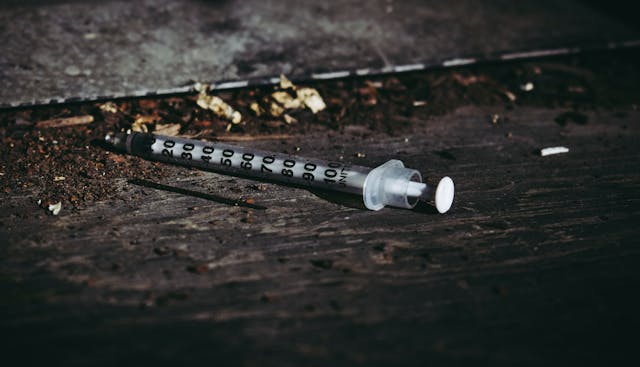
Other important waste categories are sharps, hazardous substances and controlled substances. Sharps include needles, syringes, scalpels and broken glass. Pharmaceuticals include prescription and over the counter drugs. Cleaning fluids, mercury and blood are designated as hazardous substances, whereas opioids, morphine and methadone are considered controlled substances.
Finally, at home medical waste is another category that is becoming increasingly relevant. In fact, within the next 2 – 3 years, 30% of tasks currently completed in hospitals could shift to at home care. This will result in increased at home medical waste, which is much harder to regulate. At home waste includes sharps, pharmaceuticals and devices that are used in the home.
Types of Medical Waste & Disposal Materials
| Regular Trash | Common Medical Waste | Trace Chemotherapy Waste | Pathological Waste | Pharmaceutical Waste | |
| Materials needed for disposal | Standard trash bags/bins | Red sharps containers & red waste bags | Yellow sharps containers & yellow waste bags | Red waste bags | DEA Pail, mail back only & pharmaceutical containers |
Disposal Methods
Some of this waste can be sent to a regular landfill, making the disposal process fairly straightforward. However, roughly 15% of medical waste is considered hazardous and needs to be processed differently to ensure safe disposal. There are two ways to dispose of hazardous waste, each with its own strengths and weaknesses. Additionally, there are several disposal options for at home medical waste.
Steam Autoclave
The first method for disposing of hazardous waste is called steam autoclave. This process implements a mixture of moisture, heat and pressure to inactivate microorganisms. When processing waste, steam autoclave generates temperatures of 3,200ºF and a PSI of 80-85. This method can treat 20-3,000 pounds of waste per cycle, and is best for regulated medical waste, biohazards and sharps.
Incineration
The second hazardous waste disposal method is incineration, which is the process by which waste is burned in a controlled environment. Incineration requires temperatures of 1,800ºF – 2,000ºF. This method is best for pharmaceutical waste, trace chemotherapy waste, pathological waste, hazardous drug disposal and chemical waste.
At Home Waste
Options for at-home medical waste disposal vary by state, but common solutions include prepaid mail-back envelopes, drug takeback programs, dedicated biohazard containers, community pick-up days and professional shredding and recycling.
Medical Waste Disposal Methods
| Landfill | Steam Autoclave | Incineration | At Home Waste | |
| Type of waste processed | Regular trash | Regulated medical waste, biohazard, sharps | Pharmaceutical waste, trace chemotherapy waste, pathology, hazardous drug disposal, chemical waste | Sharps, unused medication, battery-containing medical devices |
| Process | Can be bagged in regular trash bags and sent to landfill | Uses moisture, heat and pressure (80-85 PSI)
Inactivates microorganisms |
Burns waste in a controlled environment
Breaks waste into ash, CO2 and water |
Options depend on state
Prepaid mail-back envelopes, drug takeback programs and FDA guidelines for pharmaceuticals Dedicated biohazard containers, community pick-up days and independent organizataions for sharps Donate to hospitals/vet offices, professional shredding/recycling and hazardous waste collection sites for devices |
| Temperature | n/a | 3,200ºF | 1,800 – 2,000ºF | n/a |
Important Materials & Procedures
Businesses also need specific materials and procedures to sort, store and process waste. For example, facilities need proper disposal bins for each type of waste. It is also important to stick to a clear and consistent labelling system. Documentation is another key step, and involves maintaining waste manifests, tracking forms for all pickups and keeping up-to-date logs of waste quantities and types.
Safety equipment is another important player when it comes to medical waste. Items such as puncture-resistant sharps containers, personal protective equipment and spill cleanup kits are must-haves for safe disposal.
Finally, facilities should adhere to storage requirements and partner with a medical waste disposal company. When it comes to storage, some waste might need to be stored in a temperature-controlled setting. Waste that is considered a biohazard needs to be stored separately in a well-labelled space. In terms of a waste disposal company, these companies connect businesses to transfer and treatment facilities. Services can be scheduled based on need, allowing the healthcare facility to process waste at its ideal pace.
Conclusion
Medical waste is a core element of the healthcare industry. Following disposal protocol is extremely important, as proper disposal reduces hazards. Due to variability in the type of medical waste, there are several disposal options available. Each method has a unique process, whether it be using regular trash bags and landfills or burning waste to break it down into ash.
Certain methods are better for certain types of waste. For example, it is best to process biohazards and sharps through steam autoclave, whereas trace chemotherapy waste and chemical waste are better suited for incineration. Developing a deep understanding of medical waste and disposal options will help you select the safest and most efficient disposal method for your case.

Source: Amergy Disposal