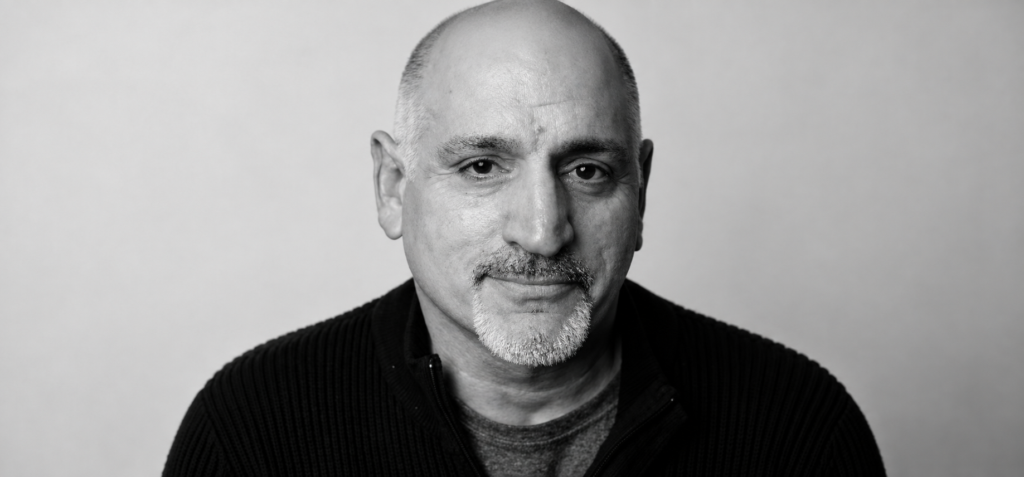
Every time a major new technology hits the market, executive teams face the same dilemma of separating real value from noise. While many organizations rush to buy tools without a clear plan, others struggle to figure out where the industry is heading. For Harry Karidis, an advisor with four decades of experience tracking technological shifts, answering these questions requires bringing the right people into the same room. Rather than letting companies get overwhelmed by fast changes, Karidis uses structured group sessions to help leaders build practical roadmaps for what comes next.
Cutting Through Technology Noise
Right now, businesses across sectors are trying to make sense of rapid automation. Much of this push comes with confusion, especially as vendors make promises that the tools cannot yet deliver. “There’s so much misinformation on technology right now, and we’re in the Gartner hype cycle, so companies are really struggling to figure out what really works and where AI is really going,” Karidis explains. To help organizations find their footing, he focuses on practical digital literacy that cuts through marketing claims.
To guide these decisions, Karidis created an approach he calls the SHOCK tank. Built on his work around present shock and inspired by Alvin Toffler’s 1969 book Future Shock, the name serves as a specific acronym. “It stands for swarming humans optimized for collaborative knowledge,” Karidis says. “That means bringing the right minds together (thought leaders, if you will, futurists, and forward thinkers), but it’s a diverse group, and we put them in this shock tank.” Through these discussions, groups work through short- and medium-term steps to turn complex technology shifts into workable plans.
Building Dynamic Teams Like Film Sets
Finding the right people for these rooms takes a deliberate approach. Instead of relying solely on top executives, Karidis looks for broad thinkers with deep experience across culture, lifestyle, and media. “You need a small group of polymaths,” Karidis notes, pointing out that valuable answers often come from specialists deep inside an organization who know how to see around corners. Getting value from these voices requires leaders to drop old assumptions and unlearn habits that no longer serve them.
This working model comes directly from Karidis’s background in photography and film production. On a movie set, leaders hire dynamic department heads for a specific shoot rather than trying to control every task under a rigid corporate structure. “The model of making a film is that you bring the best people available for the budget as department heads, and that’s dynamic,” Karidis says. “Whereas the old corporate model was that they wanted to own everything and lock it down, and they didn’t allow these creative collaborations.” Bringing diverse thinkers together helps teams spot blind spots and challenge their own personal biases through swarm cognition.
Keeping the Real Expert in the Loop
With the rise of automated tools, platforms have seen a surge of cheap, low-effort material. Karidis points out that handing work completely over to software usually leads to what the industry calls slop. “You can’t take the human out of the loop and just hand it off to AI,” Karidis explains. “And, more importantly, not all humans are created equal. You have to keep the expert in the loop.” Without seasoned professionals directing the work, output quickly loses its quality and value.
Karidis also pushes back against the idea that software can turn an untrained user into an overnight specialist. While basic tasks can get done faster, genuine domain knowledge still dictates the final standard of the work. “AI will not make you an expert in something you’re not an expert in,” Karidis says. “The more of an expert you are, the less impressed you are with AI, and you can see its faults; the less of an expert you are, the more impressed you are with what AI produces.” For early-stage companies and large firms alike, relying on real expertise remains the only way to stand out.
Beyond software adoption, Karidis believes that modern organizations need to rethink how they talk to the public. In a world where digital channels dominate attention, every company has to function as its own broadcaster. “I tell all my clients, ‘I don’t care what business you’re in, you’re a media company,’” Karidis says. “You have to be able to produce content. You’re a publisher and a broadcaster; you have to be on social media, and you have to have a digital presence.” To help clients prepare for rapid shifts, Karidis is rolling out pilot sessions known as shock rehearsals. These workshops give leadership teams a safe space to test new ideas and build balance before major market changes hit them. “Change is exponential now,” Karidis says when describing current market pressures. “We’re living in a constant state of disruption, and we’re living in a state of present shock.” By focusing on collective problem-solving and expert human input, businesses can plan their next steps with confidence rather than fear.
Follow Harry Karidis on LinkedIn for more insights on technology adoption, digital literacy, organizational strategy, and navigating present shock.