
Fitness Trackers vs Smartwatches: Which Is Better for Your Daily Health?

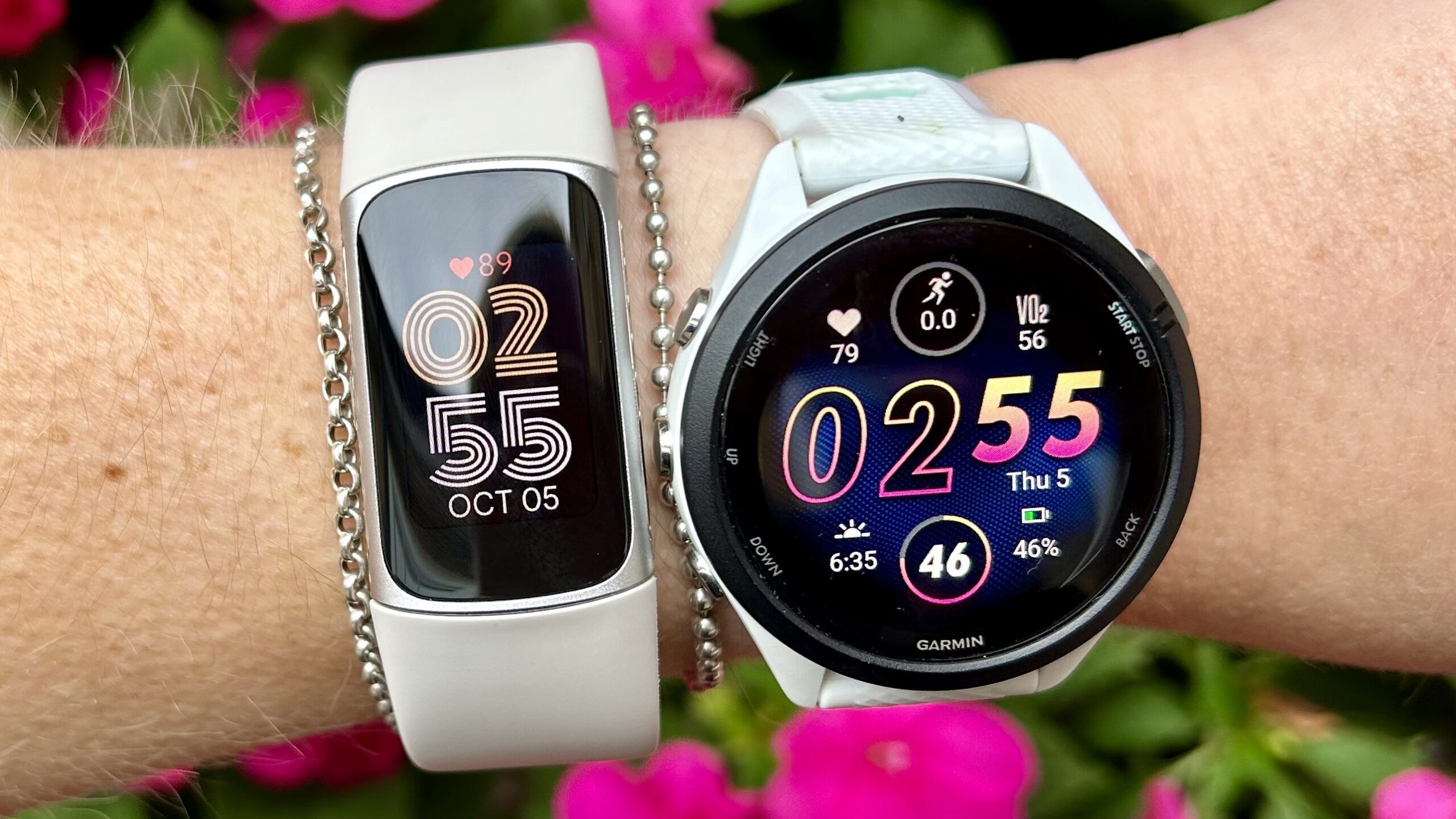
Wearable devices have made it easier to follow daily activity, sleep, and other health information. Today, people can choose from fitness trackers, smartwatches, and smart rings. Each type has a different purpose, so understanding the difference can help you choose the right device. When comparing fitness trackers vs smartwatches, it is also useful to consider smart rings as another option for people who want health tracking without a large screen.
What Is a Fitness Tracker?
A fitness tracker is mainly designed to monitor physical activity and basic health information. Depending on the device, it may track steps, activity levels, calories, heart rate, and exercise. Fitness trackers are generally focused on helping users understand their daily movement and fitness habits.
They can be a good choice for someone who wants basic activity information without needing many smartwatch features. When looking at fitness trackers vs smartwatches, fitness trackers are usually more focused on health and activity rather than communication and apps.
What Is a Smartwatch?
A smartwatch is worn on the wrist and usually includes a screen. Besides health and fitness tracking, smartwatches can offer features such as notifications, messages, timers, apps, and other interactive functions.
This makes a smartwatch useful for people who want both health tracking and everyday digital features in one device. However, the screen and notifications may not be ideal for people who prefer a simpler wearable, especially while sleeping.
Smart Rings as Another Option
A smart ring offers another approach to everyday health tracking. Instead of using a wrist-worn screen, it sits on the finger and collects health and activity information. The RingConn fitness ring is designed for continuous health and activity monitoring.
RingConn’s official website lists features such as sleep tracking, activity tracking, stress monitoring, heart rate, heart rate variability (HRV), and blood oxygen (SpO₂) tracking. The RingConn fitness ring also uses a movement sensor to detect physical activity, including steps and activity intensity. This makes it useful for people who want to follow their activity without wearing a traditional fitness watch.
Fitness Tracking Without a Screen
One major difference when comparing fitness trackers vs smartwatches is how you interact with the device. A smartwatch normally gives you information directly on its screen. You can check workout information, notifications, and other features from your wrist.
A smart ring takes a quieter approach. The RingConn fitness ring has no large screen and is designed to collect information in the background. Users can view their health information through the RingConn app instead. This can be useful for people who do not want another screen or frequent notifications during the day.
Sleep and Everyday Comfort
Sleep tracking is another area to consider in fitness trackers vs smartwatches. Since smartwatches are worn on the wrist, some people may not prefer wearing one overnight. A smart ring is smaller and designed for continuous wear.
RingConn focuses strongly on sleep tracking, including sleep stages, naps, heart rate, HRV, and SpO₂. The RingConn fitness ring can therefore be a suitable option for people who want health information while sleeping without wearing a screen-based device.
Which One Should You Choose?
The right choice in fitness trackers vs smartwatches depends on what you need. A fitness tracker can be suitable if your main goal is monitoring daily movement and fitness. A smartwatch may be better if you want a screen, notifications, apps, and interactive workout information.
A smart ring can be a better match if your priority is continuous health and wellness tracking with a less distracting design. The RingConn fitness ring tracks areas such as sleep, activity, stress, heart rate, HRV, and SpO₂ through its connected app.
RingConn Models and Health Tracking
RingConn currently offers several smart ring models, including Gen 3, Gen 2, and Gen 2 Air. The company positions these models for different health-tracking needs. Gen 3 focuses on advanced health insights, while Gen 2 emphasizes sleep insights and Gen 2 Air provides core health features.
The RingConn fitness ring does not replace medical equipment. RingConn states that its products are not medical devices and are not intended to diagnose, treat, cure, or prevent disease.
Conclusion
When comparing fitness trackers vs smartwatches, there is no single choice that works for everyone. Fitness trackers are useful for straightforward activity monitoring, while smartwatches offer health tracking together with screens, notifications, and interactive features.
A smart ring provides another option for people who want continuous health and activity information without wearing a traditional smartwatch. The RingConn fitness ring focuses on areas such as sleep, activity, stress, heart rate, HRV, and SpO₂, making it a useful choice for everyday wellness tracking.







Comment