
AI Infrastructure, Cloud Computing, Tech Investment and the Future of Data Centres; And Interview with Alexey Gubarev

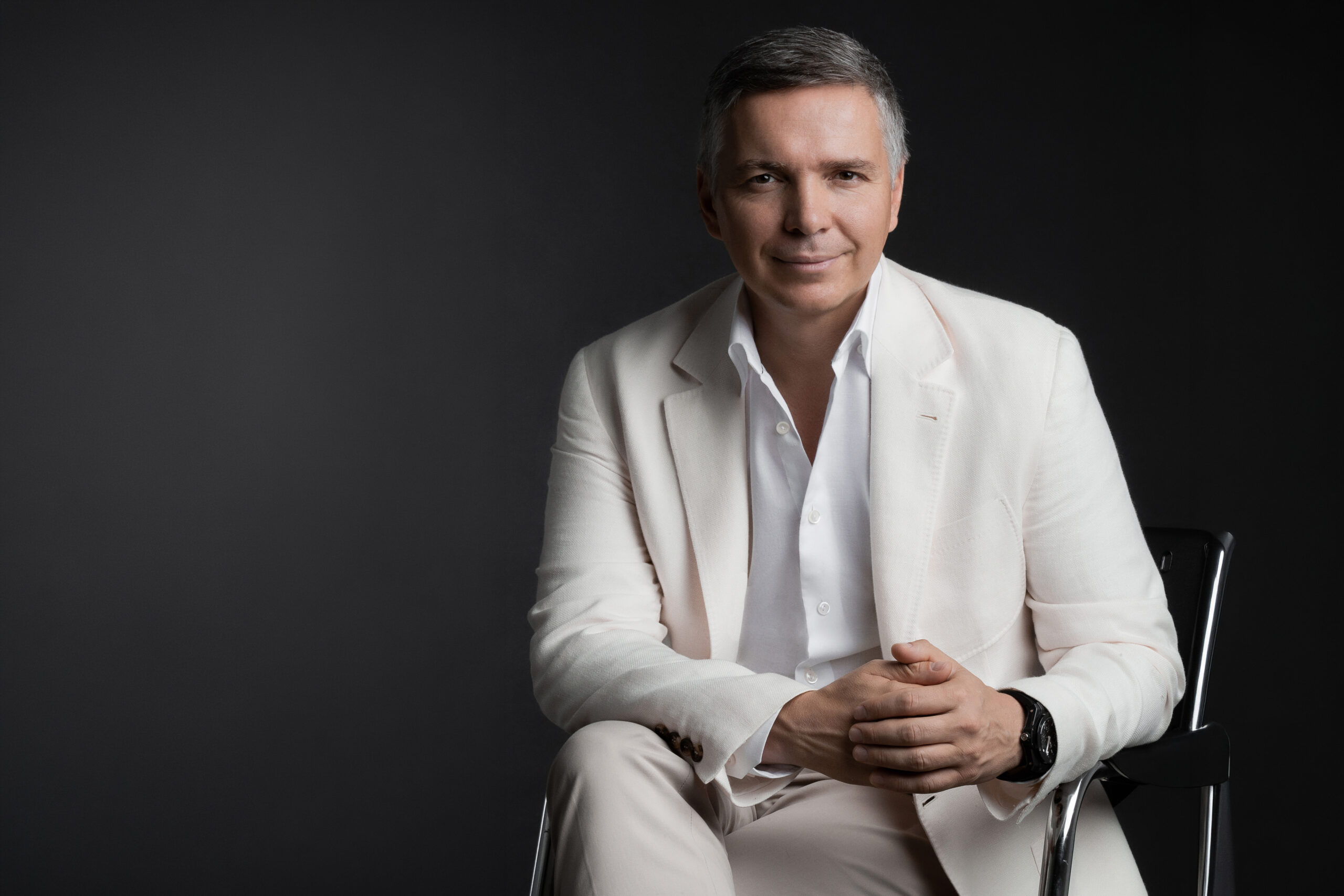
Technology entrepreneur and investor Alexey Gubarev has spent more than two decades building businesses across cloud computing, data centre infrastructure and the wider technology sector. He is the founder of global infrastructure provider Servers .com, which was acquired by CloudOne Digital, and serves as a board member at Palta.
In this exclusive TechBullion interview, Gubarev shares insights from his journey as a founder, operator and investor, including the lessons he learnt from building and scaling Servers .com and navigating its eventual acquisition. He also discusses how artificial intelligence is reshaping demand for cloud infrastructure and data centres, the growing importance of energy and computing capacity, and the opportunities emerging across the global technology landscape.
The conversation also explores technology investment, start-up funding, sovereign computing, Europe’s position in the global AI race and Cyprus’s development as a technology hub. Drawing on his experience on both sides of the investment table, Gubarev offers his perspective on what founders need to build globally competitive companies and the technology trends business leaders should be watching next.
Could you introduce yourself and tell our readers about your background, your journey into technology, and the work you are focused on today?
I grew up in a family of engineers. While I was still at university, I launched my first internet business, which focused on advertising campaigns, management, and ad optimization. In 2005, I started Servers .com, a hosting company that began with just 20 servers. Over the next 18 years, we opened data centers around the world. In 2023, CloudOne Digital acquired Servers .com for about $200 million. In 2016, my partner Yuri Gurski and I started Palta, a well-being technology company aiming to make a positive global impact. Our portfolio includes Flo Health; the first women’s health app to reach unicorn status, valued at over $1 billion in 2024; Prisma Labs, which created the AI photo-editing app Lensa AI; and two smaller products, Simple and Zing Coach. Today my work splits between Palta’s portfolio, TechIsland; the nonprofit I co-founded to grow Cyprus as a tech hub, and a handful of personal projects, including a retro car museum I’m building in Bishkek.
What inspired you to found Servers .com, and what gap did you identify in the global cloud and infrastructure market?
In 2005, most hosting companies forced customers into rigid packages, you paid for capacity you didn’t need, or you outgrew what you’d bought within months. We built Servers .com around flexibility: bare-metal infrastructure that scaled with a business instead of boxing it in. The bigger gap was geographic. Most providers were concentrated in one or two regions, which meant real latency and compliance problems for anyone operating internationally. We built data centers across multiple continents from early on, not because it was fashionable, but because customers running global operations genuinely needed it.
What did building Servers .com teach you about successfully scaling a technology company across international markets?
Building Servers.com taught me that scaling a tech infrastructure company internationally requires balancing a unified global platform with deep local execution. First, physical proximity matters. To deliver low latency and guarantee data sovereignty, you must invest in local infrastructure; like data centers early on, treating it as a strategic advantage, not an afterthought. Second, true localization goes far beyond translating your website. You must adapt to regional payment systems, navigate complex local regulations like GDPR, and provide native-language support aligned with local time zones. Third, organizational structure is critical. You need a strong central engineering core to maintain product consistency and security, combined with empowered local teams who understand the cultural nuances of closing enterprise deals in their specific markets.
What influenced your decision to sell Servers .com to CloudOne Digital, and what advice would you give founders considering an acquisition offer?
After 18 years, it felt like the right moment; the business had matured, and CloudOne Digital was a buyer who genuinely understood its value. My advice to founders is simple: sell for growth, not for an escape. A good deal isn’t just a cash-out; it’s a launchpad for the next scaling phase you couldn’t achieve alone.
How is artificial intelligence changing demand for cloud infrastructure, computing power and data centre capacity?
AI has fundamentally changed the shape of demand. It’s not incremental growth, training and running large models require GPU capacity at a scale that traditional CPU-based hosting was never built for, and demand is outpacing supply in most regions. Providers who spent years optimizing for general-purpose compute are now having to rethink their entire infrastructure roadmap around power density and cooling requirements that didn’t exist five years ago.
How significant are energy availability and power costs becoming for the future growth of AI and data centre infrastructure?
They’re becoming the actual bottleneck, more than chip supply. A data center is only as useful as the power grid feeding it, and in several markets, getting new capacity connected to the grid now takes longer than building the facility itself. Power costs and availability are starting to decide where new infrastructure gets built as much as connectivity or tax policy does, that’s a real shift from ten years ago.
Which data centre technologies or infrastructure innovations do you expect to have the greatest impact over the next decade?
Liquid cooling will move from a niche solution to a standard requirement as chip density keeps rising, air cooling simply won’t keep up with the next generation of hardware. I also expect a real push toward on-site or dedicated power generation, including renewable and nuclear-adjacent solutions, because relying entirely on grid capacity is becoming a genuine constraint on growth, not just a cost line.
Why is sovereign cloud and computing infrastructure becoming increasingly important to governments and businesses?
Data residency stopped being a compliance checkbox and became a real strategic concern. Governments don’t want critical infrastructure or sensitive data dependent on servers controlled by a handful of foreign companies, and businesses are increasingly asked by their own regulators to prove exactly where and how their data is processed. Sovereign cloud is the practical answer to that pressure, and it’s only going to matter more as regulation tightens across the EU, Middle East and Asia.
What does Europe need to do to compete more effectively with the US and Asia in technology, AI and digital infrastructure?
Europe needs to make it dramatically easier to build and scale infrastructure, faster permitting, faster grid connections, and a more unified regulatory approach instead of 27 different national processes for the same investment. Capital exists in Europe; what’s missing is the speed to deploy it.
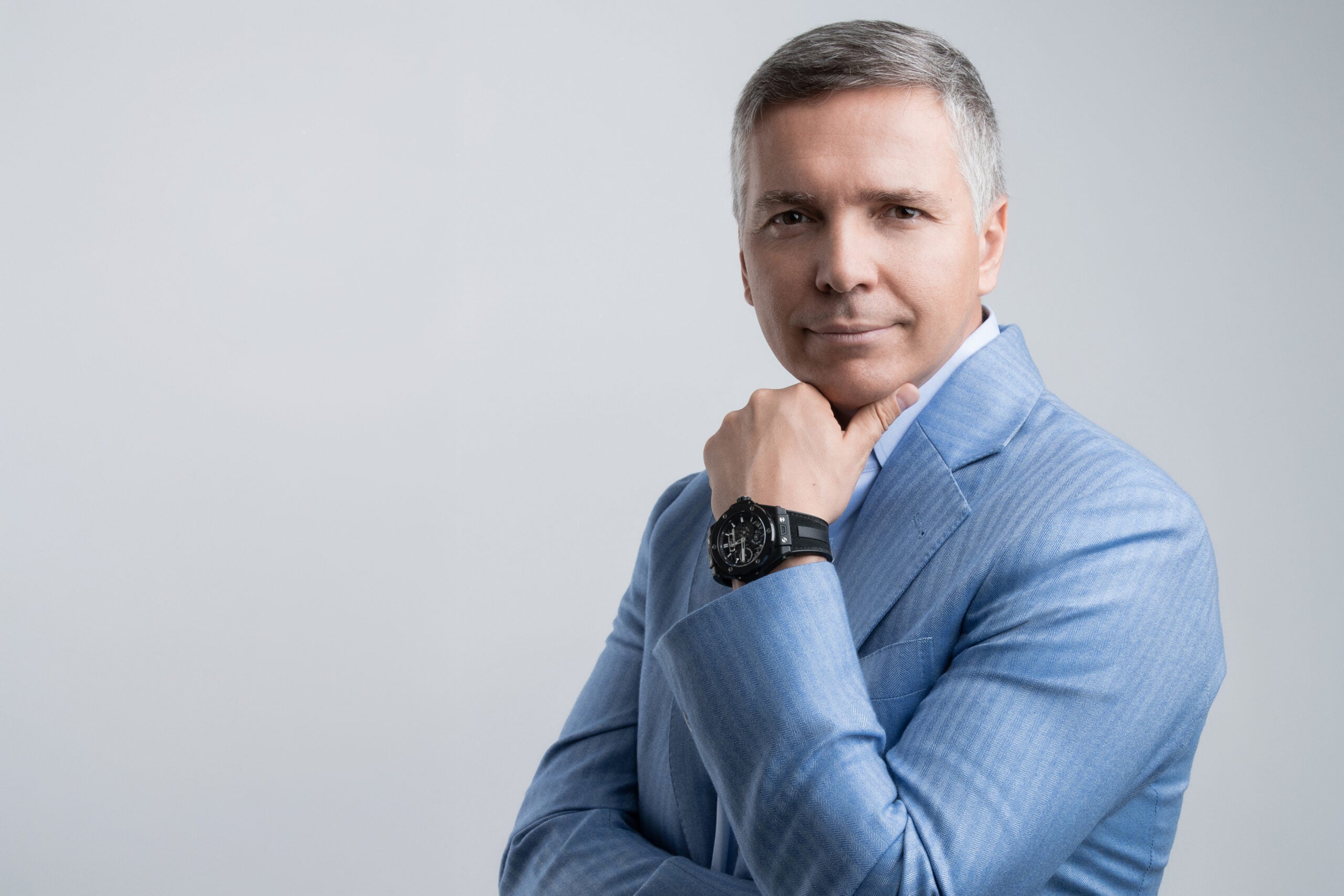
What qualities do you look for in founders before deciding whether to invest in their technology companies?
One lesson I’ve learned over the years is to check a founder’s background carefully before investing. There have been situations where someone came across as completely trustworthy, but it turned out they weren’t being honest, and that ended up having a real impact on the business later on.
As a co-founder of Palta, what have you learnt from investing in consumer health and wellbeing technology?
Health and wellbeing technology only works if you take the science as seriously as the business model.
What does it take for a technology product to move beyond early adoption and successfully scale to millions of users globally?
Mass adoption requires the product to work reliably for people who don’t care about the technology at all, that’s a completely different bar. It also requires genuine localization, not just translation: different markets have different expectations, regulations and cultural context, and products that scale take that seriously rather than assuming one version fits everyone.
How will AI change the cost, speed and skills required to build and scale technology start-ups over the next five years?
It’s already happening. A meaningful share of code in many companies is now AI-generated, and the developers who don’t use it are falling behind on speed. Beyond engineering, AI is automating support, design, data analysis and a lot of early-stage business analysis that used to require dedicated headcount. Startups that build lean around AI tools from day one will out-execute ones that hire the traditional way.
What should founders understand about valuation, ownership and investor expectations before raising external capital?
A high valuation early on isn’t a win if you can’t grow into it, it just makes your next round harder. Every euro you raise is a piece of the company you no longer own, so the real question isn’t “how much can I raise,” it’s “how little do I need to hit the next real milestone.” Investors expect a clear path to profitability, not just growth, and founders who can’t answer exactly when the business breaks even are going to have a harder time than they expect.
Why has Cyprus become an attractive base for technology entrepreneurs, investors and international technology companies?
The tax framework is genuinely competitive; a low corporate rate, and a 50% income tax exemption for 17 years for highly skilled professionals earning over €55,000, with the right for spouses to work too. Highly skilled specialists can also obtain naturalization within 4-5 years, a practice that already exists in other EU countries. Add in a strong climate and lifestyle, and a growing tech community, and it’s a real alternative to the usual European hubs.
What challenges must Cyprus overcome to develop into a globally recognised European technology and innovation hub?
Infrastructure needs to keep pace with growth; public transport, schools and housing all came under real pressure when several thousand tech employees and their families relocated to the island in the past few years. Access to early-stage capital is still limited locally, which pushes founders to raise abroad. And full digitalization of government processes, from residency permits to company registration, is overdue, it’s the kind of unglamorous work that determines whether people actually stay.
How do you determine whether an emerging technology represents a lasting investment opportunity rather than temporary market hype?
I look for whether the technology solves a problem people already have and are already paying to solve badly, versus one that only makes sense once you’ve accepted a lot of assumptions about future behavior. Hype cycles are usually built on the second kind. I also wait for the market to show it’s ready, being early with a great product still fails if nobody’s positioned to adopt it yet.
How has your experience as a technology founder influenced the way you evaluate risk and opportunities as an investor?
Risk isn’t measured by analyzing market size on a spreadsheet, but by assessing the raw resilience of the team facing inevitable bottlenecks. It completely shifts your lens from betting on a perfect scenario to backing people who know how to survive and pivot when everything breaks.
After building and exiting successful businesses, how has your definition of success as an entrepreneur evolved?
I think of success as building things; companies, projects, even parts of a city, that keep working, and keep mattering to people, long after I’ve stopped paying attention to them every day.
Which emerging technology or investment trend do you believe is currently underestimated, and why should business leaders be watching it?
Sovereign and regional cloud infrastructure outside the usual hubs. Everyone’s focused on hyperscale AI data centers in a handful of major markets, but the real underestimated opportunity is in regions like the Eastern Mediterranean and parts of Central Asia, where infrastructure costs are still low, regulatory environments are improving, and demand is about to catch up fast.






Comment