
Water Heater Installation in Riverside, CA – What You Should Know Before You Book

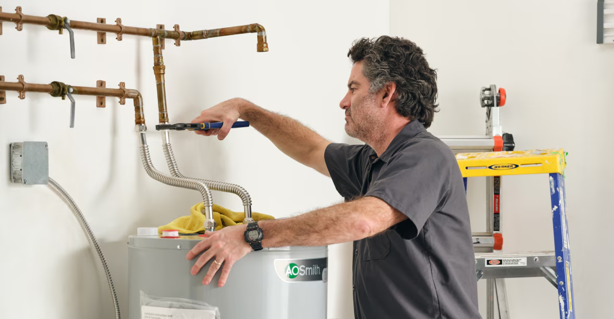
For riverside homeowners, one of the primary concerns they face during water heater installation is hard water. The Inland Empire is known for its high mineral content, which can shorten water heater lifespans and increase maintenance costs. That is why choosing the right system matters just as much as choosing the right installer.
Whether you are replacing an aging unit or planning a new water heater installation in Riverside, it is essential to know which options are available to avoid unnecessary expense.
- Tank or Tankless — The Riverside Homeowner’s Honest Breakdown:
A homeowner has to make many critical decisions when installing water heaters, and one of the first is whether to choose a traditional storage tank or a tankless one.
Traditional tank water heaters generally cost less upfront. They are familiar, easier to install, and work well for many households. However, they continuously heat stored water, which can lead to higher monthly energy bills.
Tankless systems, on the other hand, heat water only when you need it. While the initial investment is higher, many homeowners appreciate the long-term energy savings and unlimited hot water supply.
Riverside’s mineral-heavy water also affects this decision. Sediment buildup occurs faster inside conventional tanks, reducing efficiency and shortening their lifespan. In many cases, this shifts the equation in favor of tankless systems, especially for homeowners planning to stay in their homes long term.
Household size and daily usage are important factors as well:
- Small households often do well with compact tankless systems.
- Families with higher water demands may choose larger tankless units or traditional tanks with greater capacity.
- Existing plumbing and gas lines can also affect the options you are considering.
- Is Tankless Water Heater Installation in Riverside, CA Worth It?:
Many homeowners considering installing a tankless water heater in Riverside, CA, wonder whether the investment is worth their time and money. No wonder we all have such kind of inhibitions in our minds.
For many Inland Empire homes, the answer is yes.
Because tankless systems do not store water, they avoid many of the sediment problems that affect conventional tanks. This can translate into lower maintenance requirements and longer equipment life.
However, installation involves more than simply swapping units. Older Riverside homes may require:
- Gas line upgrades
- New venting systems
- Electrical modifications
- Additional plumbing adjustments
These improvements can increase the initial cost, but they also ensure the system operates safely and efficiently.
When Tankless Makes Sense:
One of the reasons why a tankless system makes sense is that •You plan to stay in your home for several years.
- Energy efficiency is a priority.
- Your family frequently runs out of hot water.
- You want to maximize space in your utility area.
When a Tank Replacement May Be Smarter
A traditional tank may still be the better choice if:
- Budget is the primary concern.
- Your existing plumbing setup favors a simple replacement.
- Your household’s hot water demand is moderate.
With Southern California energy costs continuing to rise, many homeowners find that the long-term savings and reduced maintenance help offset the higher upfront investment.
- What the Installation Actually Involves
Professional water heater installation in Riverside, CA, follows a structured process designed to ensure safety and code compliance.
Initial Assessment
Technicians evaluate:
- Household hot water needs
- Existing plumbing
- Gas and electrical connections
- Ventilation requirements
Removal of the Existing Unit
The old water heater is disconnected, drained, and safely removed from the property.
Installation of the New System
Depending on the type of unit, technicians install:
- Water connections
- Gas lines
- Venting components
- Temperature and pressure valves
Safety Checks
Before the system is activated, technicians verify:
- Leak-free connections
- Proper combustion
- Temperature settings
- Ventilation performance
Homeowner Walkthrough
Once installation is complete, homeowners receive instructions regarding:
- Operation
- Maintenance requirements
- Warranty information
Professional installers also handle California Title 24 requirements and Riverside County permits, ensuring everything meets local codes.
Typical installation times include:
- Tank water heater: approximately 2–3 hours.
- Tankless water heater: approximately 4–6 hours when venting or gas line upgrades are needed.
- What Drives the Cost of Water Heater Installation in Riverside:
As homeowners, our choice of water heater installation services in Riverside is mostly based on the total system cost. That usually defines what kind of system we are looking for and how it will impact our heating routine.
The cost of water heater installation in Riverside varies depending on several factors.
Traditional Tank Systems
Standard tank replacements are generally the most affordable option and involve fewer modifications.
Tankless Systems
Tankless installations often cost more because they may require:
- Larger gas lines
- Venting upgrades
- Electrical improvements
- Additional labor
Other cost factors include:
- Permit fees
- Water quality preparation
- Accessibility of the installation area
- Brand and system size
Flat-rate pricing is important because it helps homeowners avoid unexpected charges after the work has already begun. Transparent quotes provide confidence and eliminate unpleasant surprises.
- Riverside’s Hard Water — The Factor Most Installers Don’t Mention
Hard water is one of the biggest challenges facing homeowners throughout the Inland Empire.
The region’s water contains elevated levels of minerals such as calcium and magnesium. Over time, these minerals form scale deposits inside plumbing equipment.
For traditional tanks, scale buildup can:
- Reduce heating efficiency.
- Causes premature failure.
- Increase energy consumption.
For tankless units, mineral deposits can clog heat exchangers and reduce performance.
A quality local installation should include more than simply replacing equipment. It should also involve:
- A recommended flushing schedule.
- Inspection of the anode rod.
- Guidance on descaling procedures.
- Long-term maintenance planning.
These preventive measures can significantly extend the life of your investment.
- 5 Signs You Need a Replacement, Not Another Repair
Sometimes repairs are no longer cost-effective. Here are five signs that replacement is the smarter choice:
- Your Water Heater Is More Than 10–12 Years Old
Older units become less efficient and more prone to breakdowns.
- Rising Utility Bills
Higher energy costs often indicate declining performance.
- Rusty or Discolored Water
Corrosion inside the tank can contaminate the water supply.
- Strange Odors or Sediment Smells
Mineral buildup and bacterial growth may signal serious internal problems.
- Hot Water Runs Out Faster Than It Used To
Reduced capacity usually points to heavy sediment accumulation or aging components.
If several of these warning signs are present, replacement may save money in the long run.
- Book Your Water Heater Installation in Riverside, CA
If you’re ready for dependable hot water, Water Heater Solutionz can help you choose the right system for your home’s needs. With same-day availability, experienced Inland Empire technicians, and flat-rate pricing provided upfront, you can move forward with confidence. Call today to schedule service or visit the company’s contact page to request a quote and get your installation started.





Comment