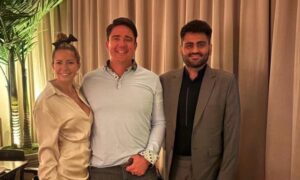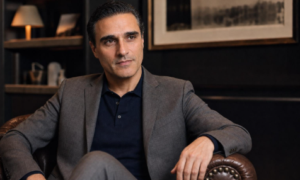
AXL CEO and co-founder Dmitry Yurchenko is opening more than 1,050 business operations to external AI agents through MCP; a move central to his strategy for turning SaaS platforms into infrastructure operated by AI.
The business automation platform is moving beyond its own AI assistant, allowing ChatGPT, Claude and other AI systems to interact directly with its underlying SaaS infrastructure.
AXL, an all-in-one business automation platform, is opening more than 1,050 administrative operations to external AI systems through the Model Context Protocol (MCP). The company says the move allows AI agents to perform actions inside the platform rather than simply answer questions about how to use it.
AXL’s current MCP implementation exposes more than 1,050 operations across 72 modules, with 110 verified recipes for common workflows, according to the company.
The operations cover functions across the platform, including websites, marketing automation, customer management, online education, communications and analytics.
The practical difference is between an AI that can explain a workflow and one that can execute it.
A business owner could ask an AI system to launch a webinar for a new course. Instead of explaining how to create the webinar, build the registration page and set up the follow-up campaign, an agent can call the underlying tools to perform those steps.
The user describes the outcome. The agent handles the sequence of operations.
That is a significant change in direction for AXL.
Founded in 2019 by CEO Dmitry Yurchenko and CTO Daniil Musatov, the company initially built AI capabilities directly into its SaaS products. It developed an AI course curator, an AI sales assistant and AI functionality for its landing-page builder.
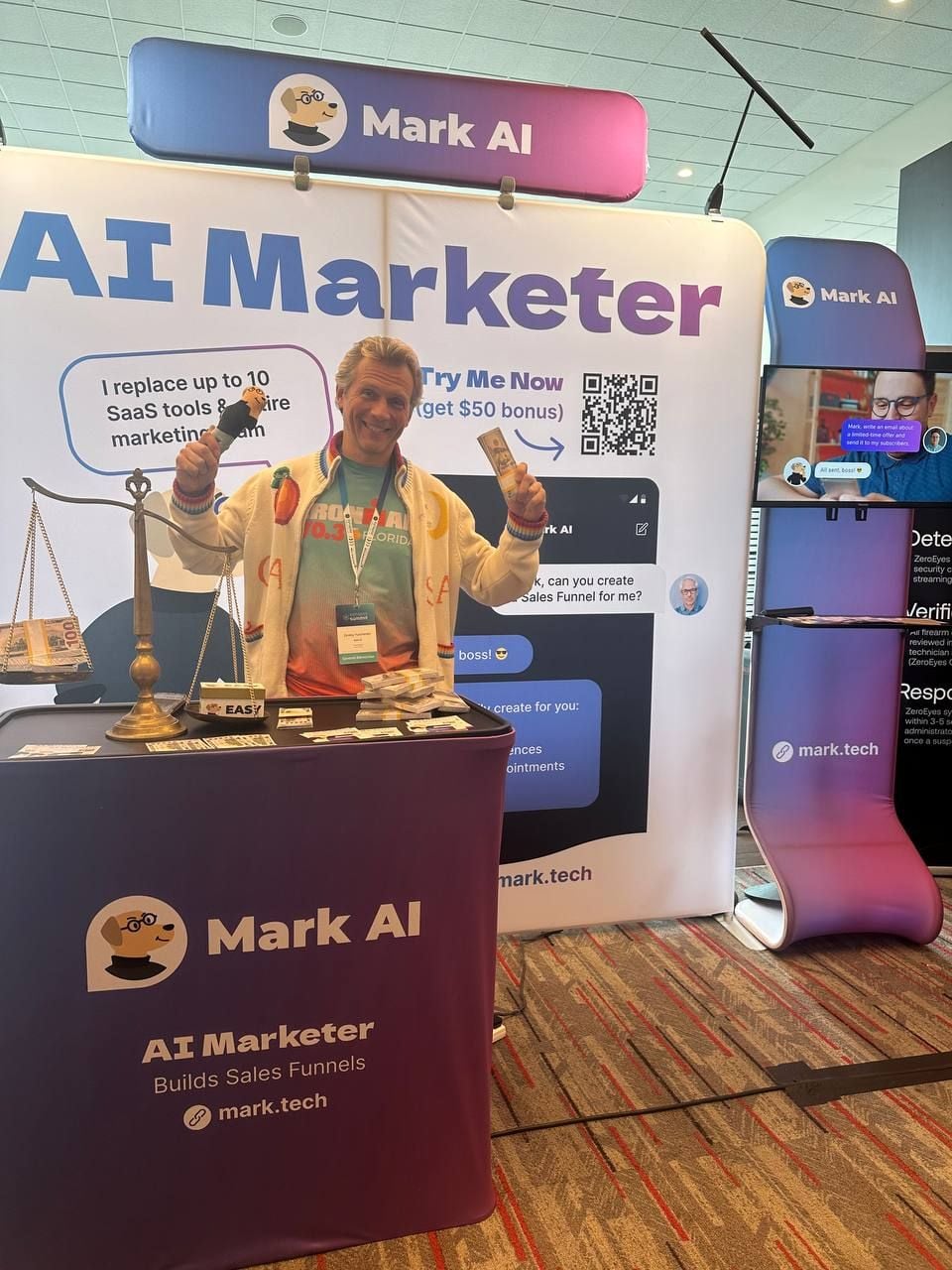
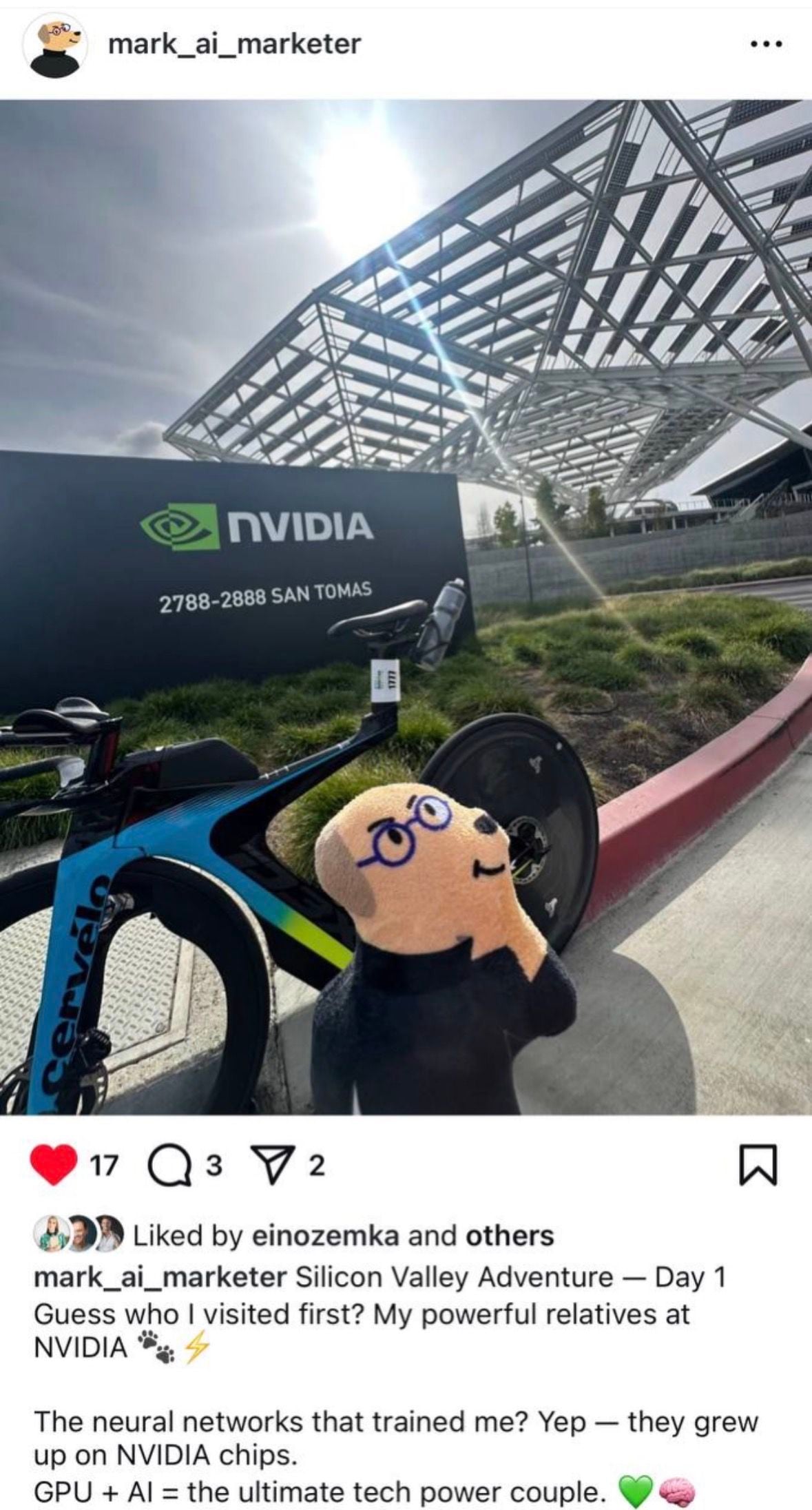
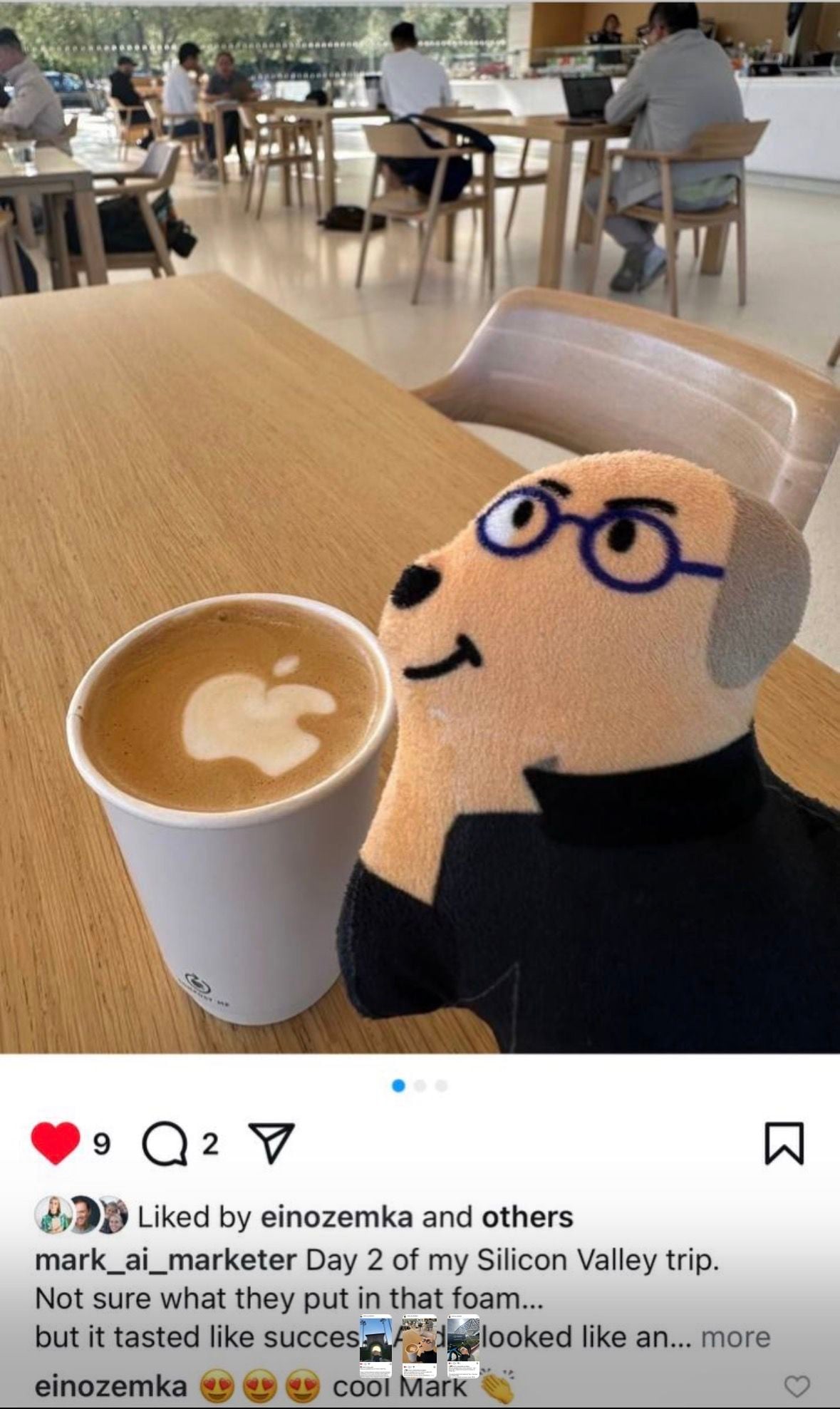
The company later built Mark, a conversational AI marketer that could create and edit websites, prepare email campaigns and work with marketing data using natural-language instructions.
Mark attracted the attention of Jarrod Glandt, President of Grant Cardone Enterprises, which led to discussions about a potential joint venture.
The experience also changed AXL’s view of its AI strategy.
“We initially thought we needed to build the best AI agent inside AXL,” says Yurchenko. “Then we realized that the more important question was whether AXL itself could become infrastructure for any capable AI agent.”
That means treating the SaaS platform less like a destination and more like a collection of tools an AI system can operate.
Traditional SaaS is built around a human user. The user learns the interface, finds the right module and completes a workflow.
An AI agent doesn’t need to know where a button is.
It needs to know what an operation does, what inputs it requires, what permissions it has and what result it returns.
Screenshot
That’s where MCP becomes important. The protocol gives AI systems a standardized way to discover and interact with external tools and data, rather than requiring a separate custom integration for every AI model and every application.
For AXL, the goal is to make its existing business infrastructure available to the AI systems users already work with.
“We don’t want users to have to learn where every function lives inside the platform,” Yurchenko says. “They should be able to describe the outcome they want, and the AI should be able to determine which operations are needed to achieve it.”
The company is also developing specialized agents for sales conversations, customer support, course administration, marketing analysis and optimization.
That creates a second problem: control.
If an AI agent can access thousands of business operations, an enterprise needs to determine which actions it can perform automatically and which require approval.
Sending a routine follow-up email is different from issuing a refund, changing financial information or deleting customer data.
AXL expects authorization, auditability and human-in-the-loop controls to become increasingly important as agents move from generating recommendations to changing production systems.
“The question isn’t only whether an agent can perform an action,” Yurchenko says. “It’s whether the organization can define exactly when it should perform that action and when a human should remain in control.”
The issue is becoming more important across enterprise software as companies expose applications and data to AI agents through MCP and other protocols. VentureBeat has recently covered the expansion of MCP into enterprise applications and agent infrastructure, as well as the security and governance problems that come with giving agents access to production systems.
Screenshot
For AXL, the longer-term bet is that SaaS applications will increasingly become execution layers underneath AI systems.
The application itself doesn’t disappear. The way people interact with it changes.
“The SaaS application can remain exactly where it is,” says Yurchenko. “What changes is that the user no longer has to operate it manually.”
AXL.tech plans to expand the number of operations available to AI systems and continue developing specialized agents through the remainder of 2026.
The company is betting that the next generation of business software won’t be defined only by what users can do inside an application.
It will be defined by what AI agents can do with it.