
How AI Face Swap Video Technology Is Changing Digital Content Creation

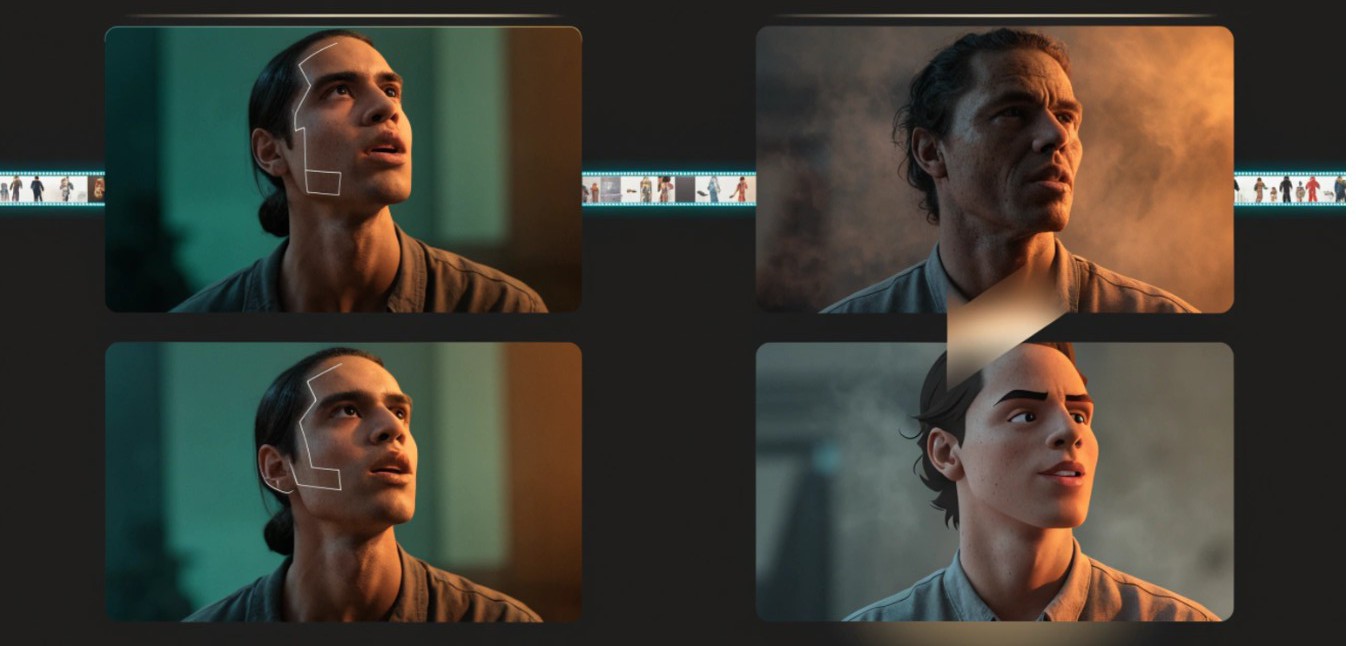
Video has become one of the most widely used forms of communication on the internet. Brands use short clips to introduce products, educators record lessons, filmmakers experiment with new ideas, and creators produce content for social media. However, traditional video production can still require considerable time, technical skills, and resources.
Artificial intelligence is changing how some of this work gets done. Among the emerging technologies, AI face swapping and video transformation are giving creators new ways to modify existing footage without relying entirely on manual editing.
Face swapping, in particular, has moved beyond simple image manipulation. Modern AI systems can analyze facial features, follow expressions, and integrate a replacement face across multiple video frames. Understanding how this technology works helps explain both its creative potential and the responsibilities that come with using it.
Understanding AI Video Face Swapping
AI video face swapping replaces a person’s face in existing footage with another face while retaining the original scene’s movement and timing. Unlike a static photo edit, a video contains continuously changing expressions, head positions, lighting conditions, and camera angles.
Traditional face replacement often involved detailed frame-by-frame editing. AI-powered approaches automate much of this process by analyzing facial information and adapting the replacement to the movement in the original footage.
For example, an AI video face swap tool such as FaceSwapVideo.ai provides an online workflow in which users upload a source video and a reference face photo. The technology processes the footage to produce a modified video without requiring users to manually edit every frame.
The challenge is not simply making two faces look similar. The replacement must remain visually aligned as the person speaks, turns their head, or changes expressions. This is what makes video face swapping more technically demanding than replacing a face in a single photograph.
How AI Face Swapping Works
Modern AI face swapping involves several connected processes. Each contributes to identifying the original face, adapting the replacement, and maintaining a consistent appearance throughout the video.
Face Detection and Feature Extraction
The first step is locating faces in the source footage. Computer vision models analyze facial regions and identify important visual characteristics, including the eyes, nose, mouth, facial contours, and relative positions of facial landmarks.
This information helps the system understand the structure and orientation of the face. It provides a reference for positioning and adapting the replacement face within the original scene.
Facial Alignment and Tracking
A person’s face changes position and appearance throughout a video. They may turn sideways, look up, speak, or move closer to the camera.
Facial alignment helps position the replacement face in relation to the original subject. Tracking then follows facial movement across successive frames, helping the replacement remain aligned as the scene progresses.
Without effective tracking, the replacement could shift, appear disconnected, or fail to follow the subject’s expressions.
Face Blending and Rendering
Once the replacement face has been aligned, it needs to be integrated into the original footage. This involves accounting for visual factors such as lighting, shadows, skin tone, and surrounding facial details.
Blending and rendering techniques help reduce visible boundaries between the replacement and the original image. The aim is to make the edited face fit naturally within the scene rather than look like an image placed on top of the video.
Temporal Consistency
A convincing result needs to work across the entire video, not just in individual frames. Temporal consistency refers to maintaining a relatively stable appearance as facial expressions, angles, and lighting change.
Flickering, inconsistent facial details, or sudden changes between frames can make an otherwise convincing result look unnatural. This is why video face swapping requires processing that considers the relationship between consecutive frames.
Why Video Face Swapping Is More Complex Than Photo Editing
Photo face swapping focuses primarily on creating a convincing result in one image. Video face swapping introduces an additional challenge: the replacement must remain consistent while the subject moves.
A single frame may look realistic, but the same visual quality needs to hold across hundreds or thousands of frames. Head rotation, motion blur, changing light, and objects passing in front of a face can all affect the final result.
This difference highlights why video face swapping involves more than repeatedly applying a photo-editing effect. It requires the AI to account for both facial appearance and movement over time.
Creative Applications of AI Face Swapping
When everyone involved has given permission, AI face swapping can support a variety of creative projects.
Filmmaking and Storytelling
Independent filmmakers can experiment with casting concepts, visual effects, and alternative scene ideas before committing to a full production. Face replacement can also help creators prototype scenes for personal or fictional projects.
Marketing and Advertising
Brands can explore different creative presentations and adapt video concepts for different audiences. Any use involving a person’s likeness should be based on clear permission from the people featured.
Entertainment and Social Media
Creators can produce humorous edits, personalized clips, and playful videos with friends or family members who have agreed to participate. This makes face swapping an accessible option for experimenting with visual content.
Education and Training
Video creators can explore ways to update or adapt presenter-based materials. For example, authorized face replacement may be useful when testing alternative presentation concepts or developing fictional training scenarios.
Across these applications, consent and transparency remain essential. A creative result should not mislead viewers about a real person’s identity, statements, or actions.
Video-to-Video AI: Another Approach to Video Editing
Face swapping is one example of AI-assisted video editing. Another developing area is video-to-video transformation, which starts with existing footage and modifies its visual content according to instructions.
Rather than replacing a face, an AI video-to-video tool can use text prompts to modify backgrounds, remove unwanted objects, change visual elements, adjust clothing, or explore different visual styles.
This approach gives creators another way to adapt existing footage without rebuilding every scene manually. It can be useful for creative experiments, social media projects, and visual content development.
Although face swapping and video-to-video transformation serve different purposes, both demonstrate how AI is expanding the ways people can work with recorded video.
Tips for Better AI Face Swap Results
The quality of an AI face swap depends partly on the source material. A few practical considerations can help improve the editing process.
- Choose clear source footage: Well-lit videos with visible facial details give AI systems more useful visual information.
- Use a suitable reference photo: A sharp, well-lit image with a clearly visible face can make the replacement process easier.
- Consider camera angles: Footage with extremely unusual angles or heavy motion blur may be more challenging to process.
- Review the finished video: Check facial alignment, expressions, lighting, and consistency across different parts of the clip.
- Make final adjustments: Traditional editing tools can still help with trimming, sound, captions, and other finishing touches.
These steps do not guarantee perfect results, but they can help creators make more informed choices when preparing their footage.
Using Face Swap Technology Responsibly
Realistic AI-generated and modified videos can create new creative opportunities, but they also introduce risks involving identity, privacy, and misinformation.
Responsible use should begin with clear consent. Never use someone’s likeness without their permission, particularly in content that could damage their reputation or mislead others.
Creators should also avoid impersonation and deceptive presentations. Altered footage should not be presented as genuine evidence of something a person said or did when that is not the case.
Transparency matters as well. When an edited video could reasonably be mistaken for authentic footage, identifying it as AI-modified helps viewers understand what they are watching.
It is also important to respect privacy, protect minors, and follow applicable laws and platform policies. The availability of an AI editing tool does not remove the responsibility to use it appropriately.
The Future of AI Video Creation
AI is changing video production by making certain editing tasks more accessible and reducing the amount of manual work required for some creative processes.
Face swapping illustrates how computer vision and generative AI can work together to analyze facial features and adapt visual content across moving footage. Video-to-video transformation offers another direction, allowing creators to modify existing scenes through text-based instructions.
These technologies are still developing, and results depend on source material, model capabilities, and the complexity of each editing task. Human judgment, creative direction, and careful review remain important parts of the process.
As AI video tools continue to evolve, their value will depend not only on technical improvements but also on how responsibly people use them. Combining these tools with clear consent, transparency, and thoughtful creative decisions can help make digital video production more flexible and accessible.







Comment