Introduction
Debt can become hard to manage when bills keep growing and payments take up most of your income. Credit card balances, medical bills, personal loans, and other unsecured debts can create stress for families across New York City. If you live in Brooklyn or Queens, you may be looking for a way to reduce your debt and get back on track.
One option to consider is debt settlement. This process may help eligible borrowers settle certain unsecured debts for less than the full amount owed. However, debt settlement is not right for everyone. It is important to understand how it works, what it may cost, and what risks you should consider before making a decision.
This guide explains the main debt settlement Brooklyn and debt settlement Queens options and what you need to know before choosing a debt relief strategy.
What Is Debt Settlement?
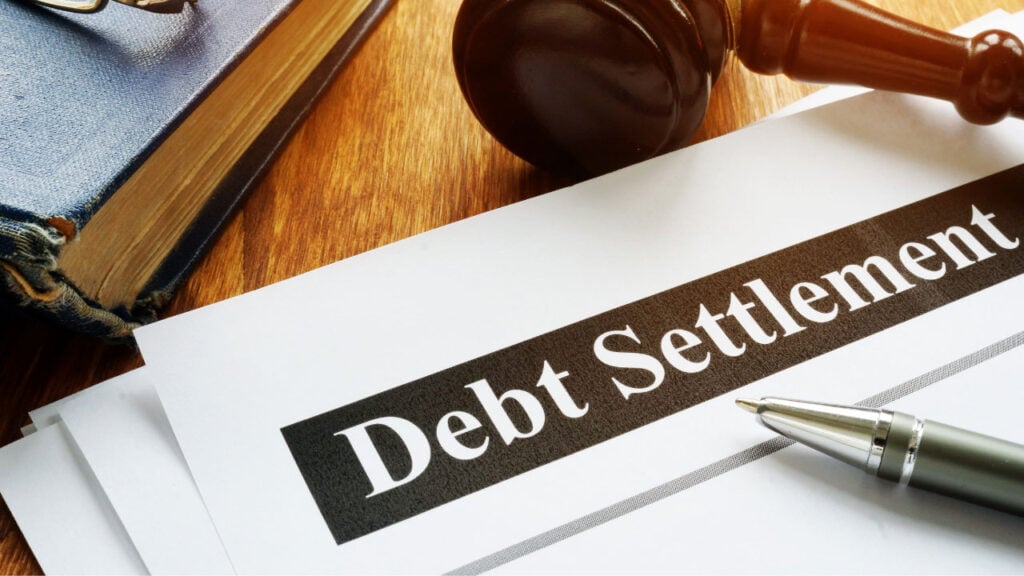
Debt settlement is a process where you or a debt settlement company tries to negotiate with creditors to accept a lower amount than the total debt you owe. If an agreement is reached, you pay the negotiated amount based on the settlement terms.
For example, imagine you owe $10,000 on several credit cards. A creditor might agree to accept a smaller amount to resolve the account. The exact amount depends on many factors, including your financial situation, the creditor, the type of debt, and the negotiation.
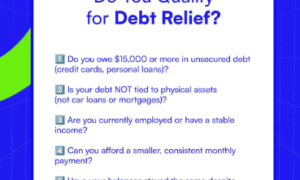
Debt settlement generally focuses on unsecured debt. This can include credit card balances, some personal loans, and certain medical debts. It usually does not apply to secured debts such as mortgages or auto loans because those debts are connected to property.
Why Consider Debt Settlement in Brooklyn?
Brooklyn has a wide range of households, from young professionals and families to retirees and small business owners. Rising living costs can make it difficult for some people to keep up with large debt payments.
When minimum payments become difficult to afford, debt settlement Brooklyn services may be one option worth researching. A settlement plan may help reduce the total amount needed to resolve qualifying debts.
However, consumers should compare settlement with other choices before signing an agreement. Debt consolidation, credit counseling, budgeting, and bankruptcy may be better options for some people.
The right choice depends on your income, debt level, credit history, and ability to make payments.
Debt Settlement Options in Queens
Queens is one of the most diverse areas in New York City, and residents may face many different financial challenges. Some people may have high credit card debt, while others may struggle with medical expenses or personal loans.
For people researching debt settlement Queens, the first step is to understand the type and amount of debt they have. Not every debt can be settled, and not every creditor will agree to reduce a balance.
A professional debt relief company may review your financial situation and explain possible options. You should ask about fees, estimated timelines, risks, and what happens if creditors do not accept proposed settlements.
Never feel pressured to sign a contract before you understand its terms.
How Does Debt Settlement Work?
Debt settlement can follow several steps.
First, you review your debts and financial situation. This includes looking at your balances, interest rates, income, expenses, and monthly payment obligations.
Next, you may choose to work with a settlement company or negotiate directly with creditors. If you use a company, it may create a plan designed to help you save money for potential settlements.
Once enough money is available, negotiations may begin with creditors. If a creditor accepts a settlement offer, you receive the agreement and follow the payment terms.
After the settlement amount is paid according to the agreement, the account may be considered resolved.
The process can take time, and results are not guaranteed. Each creditor can make its own decision.
Benefits of Debt Settlement
Debt settlement can have some potential benefits for people who qualify.
Lower Debt Balance
The biggest possible benefit is reducing the amount you need to pay to settle certain debts. This could make repayment more manageable.
One Structured Plan
Working with a reputable company may provide a clear plan for handling several eligible debts.
Potential Financial Relief
If successful, settling debts may help you move toward a point where fewer unsecured debts remain outstanding.
A Possible Alternative to Bankruptcy
Some consumers consider settlement before exploring bankruptcy. However, settlement does not provide the same legal protections as bankruptcy, so you should understand both options before deciding.
Risks of Debt Settlement
Debt settlement also has important risks.
One major concern is that accounts may become delinquent during the settlement process. Missed payments can lead to late fees, collection activity, lawsuits, and damage to your credit score.
There is also no guarantee that every creditor will agree to a settlement. You may save money for a settlement but still face collection efforts while negotiations are taking place.
Debt settlement can also have tax consequences in some situations. Forgiven debt may be treated as taxable income, although exceptions can apply.
Because of these risks, you should carefully review your situation before entering a debt settlement program.
Debt Settlement vs. Debt Consolidation
Debt settlement and debt consolidation are not the same.
With debt consolidation, you generally combine several debts into one new loan or payment plan. The goal is often to simplify payments and potentially secure a lower interest rate.
Debt settlement focuses on negotiating with creditors to reduce the amount owed.
Debt consolidation may be better for someone with good enough credit and income to qualify for favorable terms. Settlement may be considered by someone who cannot reasonably repay the full balances.
A financial professional can help you compare both options.
Debt Settlement vs. Credit Counseling
Credit counseling is another option for people struggling with debt. A nonprofit credit counseling agency may review your budget and help you understand your financial choices.
Some agencies offer debt management plans. Under these plans, eligible debts may be combined into one monthly payment, while the agency works with creditors on repayment terms.
Unlike settlement, the goal of a debt management plan is usually to repay the debt in full, often under adjusted terms.
Before choosing either option, compare costs, timelines, and possible effects on your credit.
How to Choose a Debt Settlement Company
If you decide to explore debt settlement Brooklyn or debt settlement Queens, take time to research the company.
Look for clear information about fees and services. Ask whether the company explains both benefits and risks. Be cautious of businesses that make unrealistic promises.
A trustworthy provider should not guarantee that it can settle every debt or promise a specific savings amount without reviewing your situation.
You should also read the contract carefully. Make sure you understand when fees are charged, how money is handled, what happens if negotiations fail, and how you can cancel the agreement.
Avoid making a decision based only on advertisements or sales calls.
Questions to Ask Before Signing Up
Before choosing a debt settlement service, ask:
Which types of debt can you help settle?
How much do your services cost?
When are fees charged?
How long might the process take?
What happens if a creditor refuses to settle?
How could the program affect my credit?
What happens if I am sued by a creditor?
Are there possible tax consequences?
Can I cancel the agreement?
What other debt relief options should I consider?
Clear answers can help you make a more informed decision.
Steps to Take Before Starting Debt Settlement
Before enrolling in any program, make a complete list of your debts. Include the creditor, balance, interest rate, minimum payment, and current account status.
Next, create a realistic household budget. Identify how much money you can afford to put toward debt each month.
You should also check whether you can negotiate directly with creditors. Some creditors may offer hardship programs or payment arrangements.
Finally, compare debt settlement with credit counseling, debt consolidation, and bankruptcy. Do not assume that one solution works for everyone.
Conclusion
Finding the right debt relief option can feel difficult, especially when you are dealing with several bills at once. For residents researching debt settlement Brooklyn or debt settlement Queens, understanding the process is an important first step.
Debt settlement may help some consumers reduce qualifying unsecured debt, but it also comes with risks. Credit damage, collection activity, fees, lawsuits, and possible tax issues should all be considered.
Before choosing a program, review your budget, understand your debts, compare alternatives, and research any company you are considering. A careful decision can help you choose a debt solution that fits your financial situation and puts you on a clearer path toward becoming debt-free.