
5 Tips for Calculating the Real Cost of a Tipper Truck across a 5-Year Construction Project

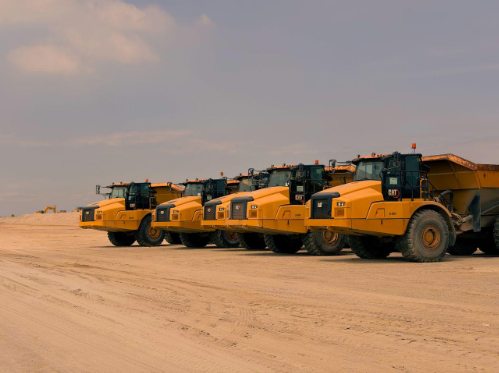
Construction budgets account for the purchase price and maybe fuel. Everything else gets estimated loosely, or not at all. That’s where projects run into trouble. The real number you need isn’t what you pay on day one, it’s what you’ll have spent by year five.
Depreciation That Eats 20–30% of Value before the First Shift
When you buy tipper trucks for a long-term construction project, the financial clock starts ticking the moment the deal is signed. A new heavy-duty truck can lose between 20% and 30% of its value in the very first year, and that drop doesn’t stop there.
According to Inland Kenworth, a Class 8 truck loses between 50% and 60% of its original value by the end of year five. That’s not wear and tear, that’s a structural cost built into the purchase, whether you account for it or not.
Insurance, Permits, and Compliance That Never Stop Billing
These costs are easy to underestimate because they don’t feel like ownership costs, they feel like admin. They’re not. Commercial vehicle insurance, annual registration fees, permits for oversized loads or restricted routes, and compliance with construction-zone regulations are all recurring obligations.
They don’t pause when the truck is idle, and they don’t shrink as the truck ages. Over five years, this category can represent a substantial and steady drain that sits outside the obvious operating budget.
Fuel Bill That Keeps Growing as Idle Time Adds Up
Fuel is one of the largest ongoing expenses a tipper truck will generate. On short construction hauls, a Class 8 model typically burns around 3.2 gallons per hour, according to Equipment World.
What makes that number worse on a construction site is trucks spending a significant portion of their working day idling, waiting to load, waiting to unload, and sitting in traffic between zones. Every idle hour burns fuel that earns you nothing. Over five years, those hours compound into a cost that surprises even experienced fleet operators.
The 5-Year Maintenance Curve That Sneaks Up on Your Budget
Maintenance costs don’t stay flat. They climb. The first two years of a tipper truck’s life are generally forgiving, routine services, oil changes, minor checks. From year three onward, components start showing real fatigue.
Suspension parts, kingpins, torque rods, rubber bushings, and cross-members all begin to wear at an accelerating rate. Equipment World notes that after seven to ten years, it’s often “a lot of little things that add up”, and the same curve starts much earlier on trucks exposed to off-road construction conditions. Budget more for years four and five than for years one and two.
Tire Replacement Cycles You Can’t Afford to Ignore
Tires rank alongside fuel as one of the most significant recurring expenses on a tipper truck. A three-axle model carries ten tires, and individual tire costs range from $400 to $1,000 each, according to Equipment World.
Tire life on a construction site is shorter than on-highway averages because rough terrain, rock, debris, and unpredictable ground conditions cause premature failures, often before the tread is even close to worn out. Across a five-year project, you’ll likely cycle through multiple full sets.







Comment