Owning a Porsche: What to Know Before You Buy
For many car enthusiasts, a Porsche is the car they have been quietly promising themselves for years. The badge carries real engineering heritage, the cars are rewarding to drive, and a well-kept example can hold its appeal far longer than many other luxury vehicles. Yet owning one here is not quite the same experience as owning one in Stuttgart or London. Murram roads, aggressive speed bumps, variable fuel quality, dust and a smaller pool of specialist mechanics all shape what ownership looks like day to day. This guide walks through the current model family, who each car suits, the local realities worth planning for, and how to approach buying new or used without expensive surprises.
Why Porsche appeals
Porsche has a reputation for building cars that feel engineered rather than merely styled. Steering, brakes and chassis balance tend to be the strengths owners mention first, and that character runs through the range, from the two-seat sports cars to the family SUVs. For buyers, the SUVs in particular have widened the brand’s appeal: they offer the driving feel people expect from the badge alongside the space and ride height that suit daily life.
The brand also has a strong enthusiast culture, which matters when you own one far from the factory. Owners’ groups, track days and informal networks of specialists help people share knowledge about parts, servicing and which model years to favour. Joining that community early, even before you buy, is one of the cheapest ways to avoid a poor purchase.
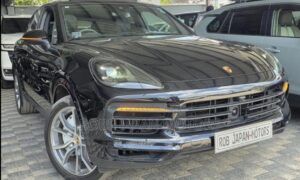
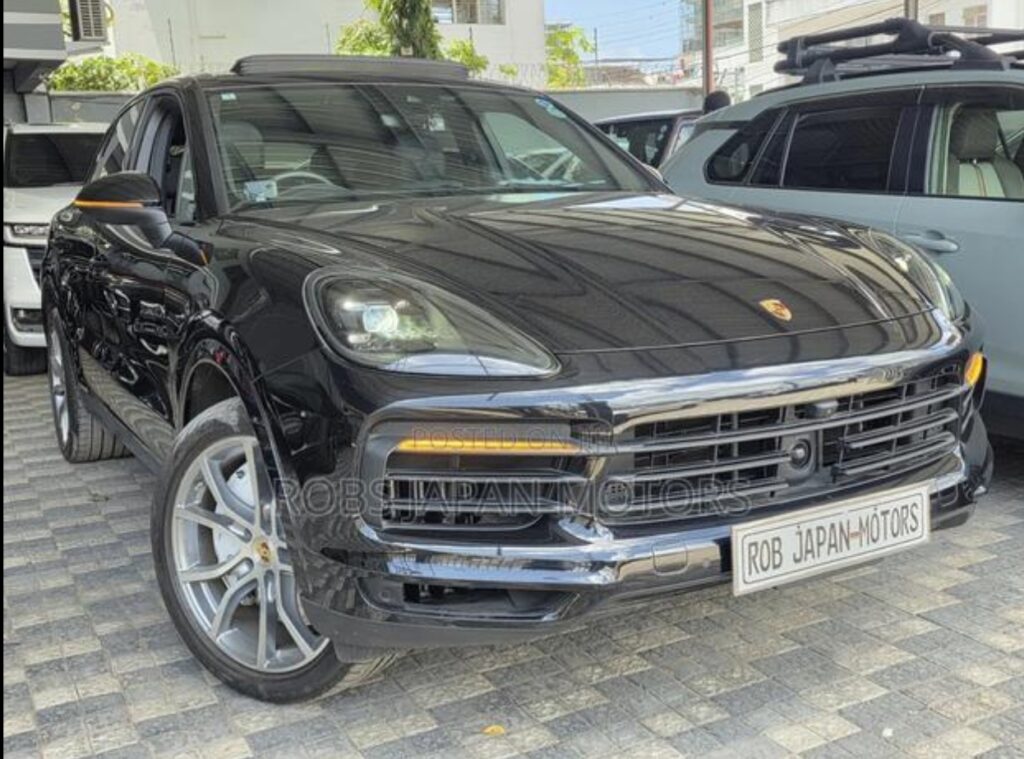
Because the range is broad and the used market mixes local cars with recent imports, it pays to get a feel for supply before setting your heart on one variant. Scrolling through current listings for a Porsche lets you see which models turn up most often, how model year and mileage tend to vary between sellers, and what condition cars are realistically in, which gives you a sensible starting point for shortlisting.
The current Porsche family at a glance
Porsche’s line-up is easier to understand once you group it by purpose. Exact engines, trims and equipment differ by year and market, so always confirm the specification of the specific car in front of you.
- 911: The brand’s icon, with its rear-mounted engine and long lineage. It comes in many forms, from comfortable everyday versions to sharper, track-focused models. It suits drivers who want a usable sports car and value long-term desirability, but it sits low and offers limited rear space.
- 718 Boxster and Cayman: Mid-engined two-seaters, the Boxster as a convertible and the Cayman as a coupé. They are widely praised for balance and agility and are often the most accessible route into Porsche sports-car ownership. Practicality is limited and ground clearance is low.
- Macan: The compact SUV, popular with buyers who want a sporty feel in a manageable size. Earlier generations use petrol engines, while the newest generation has moved to electric power, so check exactly which version you are looking at.
- Cayenne: The larger SUV, offering more space, towing ability and comfort for families. Plug-in hybrid versions exist alongside petrol models depending on year.
- Panamera: A large four-door grand tourer that blends saloon comfort with sports-car performance. It suits people who cover long distances and want rear seats adults can use, though its length and low stance need care on rough roads.
- Taycan: Porsche’s fully electric saloon, also offered in more rugged and estate-style body versions. It is a compelling car, but in Kenya it only makes sense if you have reliable home or workplace charging.
Kenyan road realities: clearance, bumps and surfaces
The single biggest practical question for sports-car buyers here is ground clearance. Speed bumps across Kenyan towns are often steep, unmarked or both, and potholes appear quickly after heavy rains. A 911, Boxster, Cayman or Panamera can scrape front lips, undertrays and exhausts if driven carelessly. Some models offer a front-axle lift system as an option, which raises the nose at low speed; if you are buying a low car, it is worth checking whether the car you are considering has one fitted.
Many Porsches, especially the SUVs and Panamera, use adjustable air suspension on certain versions. It gives excellent comfort and allows extra height on rough tracks, but air springs and compressors can be costly to repair when they age, and dust does them no favours. Low-profile tyres on large wheels are also vulnerable to potholes, so many owners choose a slightly smaller wheel and taller tyre where the car allows it.
Fuel, heat and dust
Porsche petrol engines are designed around high-octane fuel. Premium grades are generally available at major stations in the cities, but not at every forecourt, particularly on long trips upcountry. Plan refuelling stops around reputable stations and avoid topping up from unknown sources, as poor fuel can lead to knocking, reduced performance and, over time, more serious engine issues.
Heat and dust affect cars in quieter ways. Air filters and cabin filters clog faster on dusty roads, cooling systems work harder in coastal humidity and lowland heat, and rubber seals, bushes and trim can age more quickly under strong sun. None of this is unique to Porsche, but repairs on a premium car cost more, so shorter inspection intervals and covered parking are worth the effort.
Parts, servicing and specialists
The quality of servicing available to you will shape your ownership experience more than almost anything else. Porsches rely on specific diagnostic equipment, software updates and procedures, and a general mechanic who mostly works on mainstream brands may not have the tools or experience to diagnose faults properly.
Before buying, identify either an authorised dealer or an experienced independent specialist you trust, and ask them which models they see most often and which parts are usually in stock locally. Some components may need to be ordered from abroad, which can mean waiting time. Owners who plan ahead, keep a small stock of common service items and build a relationship with one workshop tend to have the smoothest experience.
Buying new or used
Buying new gives you a full warranty, a known history and the chance to specify the car to suit local roads, for example by choosing a front-axle lift or sensible wheel sizes. The trade-offs are cost and depreciation in the early years.
Most Kenyan buyers look at used cars, either already registered locally or imported. Locally used cars can be inspected in person and may come with records from local workshops. Imported cars may offer more choice, but you must make sure the vehicle meets Kenya’s current import requirements, including age and inspection rules, before committing. These rules change from time to time, so confirm the current requirements with the relevant authority or a reputable clearing agent rather than relying on hearsay.
Pre-purchase inspection and service history
On any used Porsche, a pre-purchase inspection by a marque specialist is not optional. A thorough inspection should cover:
- Diagnostic scan: Stored fault codes, and on many engines a record of over-revving events that can reveal how the car has been driven.
- Underbody check: Scrapes, damaged undertrays, cracked radiators at the front, and any signs of rust or poorly repaired accident damage.
- Suspension and steering: Air suspension operation, worn bushes, knocking noises and uneven tyre wear that might point to alignment or crash damage.
- Engine and gearbox: Oil leaks, cooling system condition, smooth gear changes and any warning lights on start-up.
- Electrics and battery: Infotainment, sensors, cameras, and on hybrids or the Taycan, the condition of the high-voltage battery as reported by specialist diagnostics.
Service history matters as much as the inspection. Look for stamped records or invoices that match the mileage, and be cautious of cars with long unexplained gaps. Check that the mileage reading makes sense against the condition of the pedals, seats and steering wheel, and verify the logbook details and ownership before any money changes hands.
Running costs and insurance
Even without quoting figures, it is fair to say a Porsche costs more to run than a mainstream car. Tyres, brakes, servicing and parts sit at the premium end, and performance models wear consumables faster. Fuel consumption depends heavily on the engine and how you drive, while electric and plug-in hybrid versions shift some of that cost to charging.
Insurance deserves early attention. Comprehensive cover for a high-value car is usually priced well above that of an ordinary family car, and many insurers ask for an approved tracking device and secure overnight parking. Get quotes on the exact car before you agree a deal, as the premium can influence which model makes sense for you.
The bottom line
A Porsche can be a genuinely rewarding car to own in Kenya, provided you choose a model that fits your roads and lifestyle and plan for its needs from the start. Match the car to your daily routes, line up a trusted specialist before you buy, insist on a full inspection and documented history, and confirm import and insurance details early. Do that, and you are far more likely to enjoy the driving experience the badge promises rather than the repair bills it can bring.