
The Untold Role Dust Plays in Your Equipment’s Lifespan

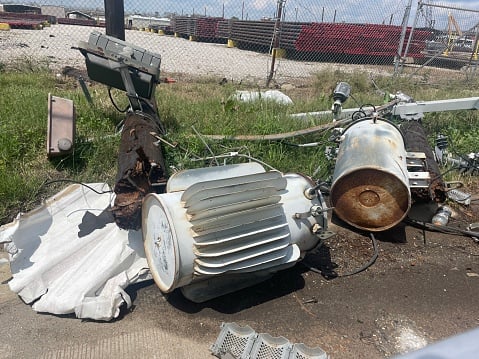
Dust seems like an unavoidable, harmless part of working outdoors, something that settles on machinery and gets wiped away without much thought. Yet dust plays a far more influential role in the lifespan of hydraulic equipment than most people ever consider, quietly accelerating wear over months and years in ways that rarely get noticed until performance starts to slip.
How Dust Actually Gets Inside
Hydraulic systems are designed to be sealed, but seals, breathers and connection points offer small opportunities for fine particles to enter over time, particularly in dry, dusty environments common across many worksites. Once inside, these particles do not simply sit harmlessly. They circulate with the fluid, moving through pumps, valves and cylinders with every single cycle of operation.
The Abrasive Reality Inside a Sealed System
Fine dust particles act like microscopic sandpaper within tight tolerances designed for smooth fluid movement, and this effect compounds steadily the longer contamination goes unnoticed. Over time, this abrasive action wears away at internal surfaces that were never meant to encounter solid material. The damage accumulates slowly, often invisible from the outside, until performance gradually declines in ways that are easy to misattribute to other causes, such as age or general wear rather than something as ordinary as dust.
Why Some Environments Age Machinery Faster
Worksites with loose soil, gravel or demolition debris naturally introduce more airborne particles than cleaner environments, and this exposure builds up gradually over the course of an ordinary working year. Machinery working consistently in these conditions experiences accelerated wear compared to equipment in cleaner settings, even when maintenance schedules are otherwise identical. Recognising this helps explain why two similar machines can age at noticeably different rates, despite receiving what appears to be the same level of care on paper.
Simple Barriers That Make a Genuine Difference
Well-maintained breather filters, properly sealed access points, and routine cleaning around vulnerable openings all significantly reduce dust intrusion. These barriers are inexpensive compared to the alternative, since ignoring dust contamination eventually leads to internal wear serious enough to require hydraulic motor repairs, turning a preventable issue into a genuinely costly one.
Cleaning as Genuine Prevention, Not Just Appearance
Wiping down machinery is often treated as a cosmetic task, something done for appearances rather than function, when in reality it plays a much larger role in protecting what sits beneath the surface. Reframing this habit as a genuine preventive measure, particularly around seals and access points, encourages more thorough and consistent cleaning practices across a worksite, ultimately protecting internal components that dust would otherwise slowly wear away over time without anyone noticing until it was too late.
Respecting an Underestimated Threat
Dust rarely gets blamed directly when equipment develops problems, yet its quiet, cumulative influence deserves far more attention than it typically receives, especially given how easily it can be managed with a little consistent effort. By understanding how something as ordinary as dust can shape a machine’s entire lifespan, businesses gain another genuinely useful reason to take everyday cleanliness seriously across their entire operation, rather than treating it as a purely cosmetic afterthought.






Comment