
How Model-Specific Replacement Parts Improve Smartphone Repairs

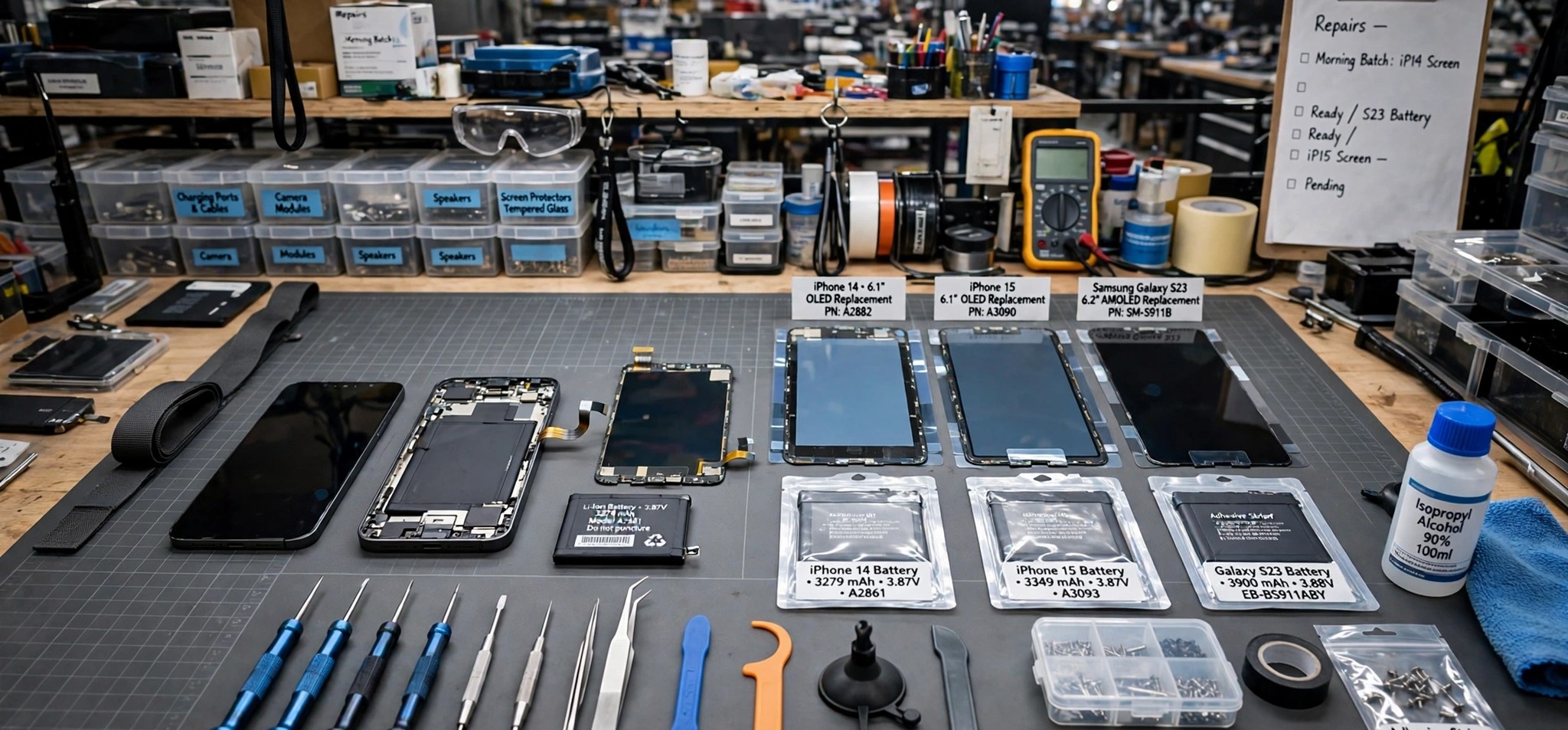
Smartphones have become essential tools for communication, work, entertainment, navigation, and digital payments. As people rely on their devices for everyday activities, keeping them functional for longer has become increasingly important. When a smartphone develops a hardware issue, choosing a replacement component designed for its exact model can make a significant difference to the repair process.
Smartphone repairs involve more than replacing a damaged part. Differences in device generations, internal layouts, connectors, and component specifications can affect whether a replacement fits and functions correctly. Understanding these model-specific requirements helps repair professionals make informed component selections and deliver more dependable repair results.
The Hidden Challenges Behind Modern Smartphone Repairs
Smartphone hardware continues to evolve. Different display technologies, compact internal layouts, specialized connectors, and model-specific configurations have made repair work more technical. A component that appears similar to another may have different dimensions, connections, or operating requirements.
For technicians, identifying the exact smartphone model is an essential first step. Selecting a replacement component based only on appearance or a broad device series can lead to fitting difficulties, compatibility issues, or unexpected performance problems. Even small differences between model generations may affect the suitability of a particular part.
Why Accurate Diagnosis Matters
Before replacing a component, technicians need to determine the source of the problem. A smartphone that fails to charge may have a damaged charging port, a worn battery, or an internal connection issue. Similarly, display problems may involve the screen assembly, connector, or surrounding hardware.
A proper diagnostic process helps technicians:
- Identify the component responsible for the malfunction.
- Avoid replacing functional parts unnecessarily.
- Determine the exact device model before selecting a replacement.
- Choose components that match the device's specifications.
- Reduce the likelihood of repeat repairs.
Accurate diagnosis makes the repair process more efficient by allowing technicians to focus on the actual fault and select a suitable model-specific component.
How Model-Specific Components Affect Smartphone Performance
Display damage is one of the most common smartphone repair concerns, but repair quality depends on selecting components that match the device's design. A replacement screen should provide appropriate visual clarity, touch responsiveness, and a proper fit. The same considerations apply to batteries, cameras, charging ports, and internal assemblies.
How Different Components Influence Performance
Each replacement component affects a specific aspect of device functionality. Its compatibility with the smartphone model can influence the overall repair outcome.
- Display assemblies: Screen dimensions, connector layouts, and display specifications can influence brightness, color reproduction, touch response, and usability.
- Batteries: A suitable battery should match the device's specifications, physical dimensions, and connection requirements to support dependable power performance.
- Charging components: Charging ports and related assemblies need the correct design and connections for stable charging.
- Camera modules: Compatible camera replacements are important for maintaining focusing, image capture, and other camera functions.
- Internal flex cables: These connect hardware functions and may affect buttons, sensors, audio, or connectivity when the wrong component is installed.
For repair businesses, sourcing cell phone replacement parts wholesale can help maintain access to components for different device models and repair needs. However, component selection should always consider specifications and compatibility alongside pricing.
Maintaining Consistency Throughout the Repair Process
Even a component designed for a specific smartphone model can perform poorly if installation is handled incorrectly. Careful assembly and testing remain important parts of the repair process.
Technicians should pay attention to:
- Proper connector alignment.
- Careful handling of delicate cables.
- Correct screw placement.
- Appropriate adhesive application.
- Functional testing after installation.
Following consistent repair procedures helps reduce avoidable problems and improves the reliability of the finished device. Model-specific selection and precise installation work together to support a successful repair.
Why Component Compatibility Is Becoming More Important
Smartphone product families often include multiple models with different screen sizes, camera configurations, and internal designs. This is especially relevant for manufacturers that offer a wide range of devices across different price segments.
Samsung's Galaxy lineup illustrates how hardware specifications can vary between devices, even within the same series. Technicians sourcing replacement parts for samsung devices need to verify the exact model and component requirements before beginning a repair. A part suitable for one Galaxy model may not necessarily fit or function correctly in another.
Model Identification and Component Selection
Compatibility checks should consider more than the device's brand or series name. Technicians may need to verify:
- Exact model number and generation.
- Display dimensions and connector design.
- Battery specifications.
- Camera configuration.
- Charging-port assembly.
- Sensor and flex cable compatibility.
This becomes particularly important when handling multiple smartphone models simultaneously. Maintaining clear model identification and compatibility records can help prevent confusion and reduce the risk of installing an unsuitable component.
Avoiding Assumptions During Repairs
Two devices may look nearly identical while having different internal components. Likewise, a replacement part designed for one generation may not work correctly with its successor.
Technicians should rely on verified compatibility information rather than visual similarities. Checking model numbers and component specifications before installation helps avoid unnecessary replacements and fitting complications. This approach is useful for individual repairs as well as businesses handling a high volume of devices.
What Makes Wholesale Sourcing a Strategic Consideration for Repair Businesses
For repair businesses, component sourcing is an important operational decision. Access to suitable parts can influence turnaround times, inventory planning, and the range of repairs a business can undertake.
Wholesale sourcing becomes relevant when repair professionals need components for multiple smartphone models or want to manage inventory more systematically. Businesses working with cell phone replacement parts wholesale often need to balance component quality, pricing, compatibility, and supplier reliability. Maintaining access to model-specific components can also help repair businesses respond to different customer requirements.
Managing Inventory Without Unnecessary Complexity
Maintaining inventory requires careful planning. Stocking every possible component for every smartphone model can increase storage costs, while keeping too few parts may delay repairs.
Repair businesses can make inventory management more practical by:
- Identifying commonly repaired smartphone models.
- Tracking frequently required components for specific devices.
- Reviewing demand before replenishing stock.
- Organizing parts according to model and component type.
- Maintaining clear compatibility records.
This approach can help businesses allocate resources efficiently and respond to repair requirements with greater flexibility. Organized model-specific inventory also makes it easier to identify the correct component when a repair request arrives.
Evaluating a Wholesale Supplier
Price is an important consideration, but it should not be the only factor when choosing a supplier. Consistent specifications and accurate product information can also influence repair outcomes, particularly when sourcing components for multiple smartphone models.
Repair businesses should consider whether a supplier provides:
- Clear compatibility details.
- Consistent product specifications.
- A suitable range of model-specific components.
- Reliable order fulfillment.
- Useful information for identifying appropriate parts.
A dependable sourcing process can support better repair planning and help businesses maintain consistent service standards. Accurate component information is especially valuable when technicians need to distinguish between parts intended for similar-looking devices.
Repairing Devices Instead of Replacing Them
Smartphone repairs can provide consumers with an alternative to purchasing a new device. When a malfunction is limited to a replaceable component, restoring the existing phone may be a practical decision.
For example, a smartphone with a damaged display or worn battery may still have a functional processor, camera system, storage, and other internal hardware. Replacing the affected component with one suited to the exact model can allow the device to remain useful without requiring a complete replacement.
The Practical Benefits of Component-Level Repair
Repairing individual components can offer several advantages:
- Cost considerations: Component replacement may be less expensive than purchasing another smartphone.
- Device continuity: Users can continue using a familiar device and its existing setup.
- Extended usability: Repairs can help maintain a smartphone's usefulness for longer.
- Reduced material demand: Keeping a functional device in use may reduce the need to manufacture and purchase another one.
However, repair suitability depends on the device's condition, compatible component availability, and the overall repair cost. Not every damaged smartphone is a practical candidate for restoration. Choosing a model-specific component is an important consideration, but it does not eliminate the need for proper diagnosis and repair assessment.
Conclusion
Model-specific replacement parts play an important role in reliable smartphone repairs. Accurate diagnosis, precise model identification, component compatibility, and careful installation all contribute to effective repair outcomes. As smartphone designs continue to evolve, selecting parts according to individual device specifications becomes increasingly important for technicians and repair businesses.
Matching the right component to the right device can help restore functionality, extend smartphone usability, and reduce avoidable repair complications. SirenWireless, an independent wholesale supplier, supports repair businesses with replacement components for different smartphone models and repair applications. By prioritizing model compatibility and consistent repair practices, the industry can continue making device maintenance more dependable and accessible.
Previously in Business news: What to Look for Before Buying a VDR Service: A Practical Buyer’s Guide







Comment