If you are a novice Forex trader, you may find it challenging to earn profits during your early trading career. And it’s not different from others. It’s pretty normal for beginners, so you’re not alone. But the question is how you can improve your trading skills and boost your profits. Well, I am here to help you.
Now, let’s find out how Forex signals can help new traders make more informed, confident, and successful trading decisions. Let’s get started!
What is Forex Signal?
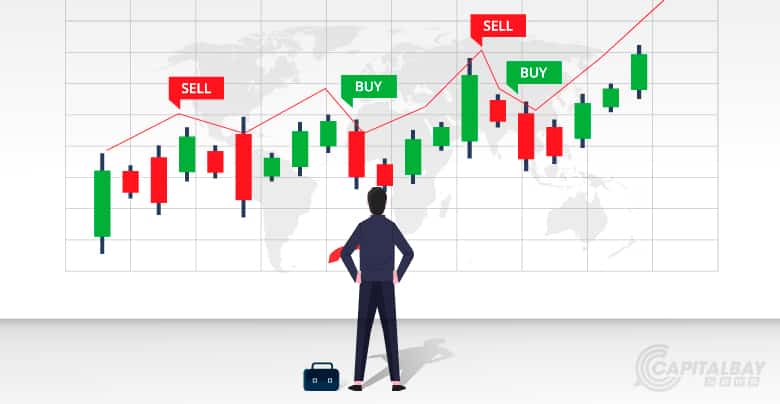
Forex Signals are the trading alerts that guide traders when to buy or sell any particular currency pair based on Forex market conditions. Usually, professional traders who have a vast knowledge of the Forex market provide signals to their Telegram channels or groups and novice traders copy them directly into their trading accounts.
To generate trading signals, they analyze the market using different methods such as technical analysis, fundamental analysis, and sentiment analysis.
The Challenges of Forex Trading for Newbie Traders
For new traders, the Forex market can be overwhelming. Here are a few challenges they commonly face:
- Market Volatility: The Forex market is known for its fast-paced nature, with currency prices fluctuating rapidly.
- Understanding Complex Analysis: Technical and fundamental analysis can be difficult to master, especially for someone just starting.Emotional Trading: New traders are more prone to impulsive decisions driven by fear, greed, or impatience, which can negatively affect their trading results.
Forex signals offer a way to address these challenges by simplifying decision-making and helping traders avoid emotional and impulsive choices.
How Forex Signals Can Help Newbie Traders
Forex trading isn’t easy, especially when you’re just starting out. The charts, the news, the technical indicators—it can all feel overwhelming! But what if you had a trading buddy who did the hard work for you? That’s exactly what a Forex signal provider does!
Here’s why using a Forex signal provider can level up your trading game:
Learning from Market Experts:
One of the main advantages of using signals is the opportunity to learn from experienced traders. Signals are often generated by traders who have spent years analyzing the market and refining their strategies. For a beginner, following these expert signals provides a way to replicate proven strategies without the steep learning curve.
By observing the signals over time, new traders can start to understand why certain trades are recommended and how expert traders approach market analysis. This helps shorten the learning curve, allowing newbies to gain experience and knowledge faster.
Expert Insights Without the Effort:
Not everyone has the time (or patience) to master technical and fundamental analysis. With a Forex signal provider, you get ready-to-use trade alerts backed by professional market research—without hours of studying Forex chart patterns.
Improves Profitability:
By following signals from experienced traders, you increase your chances of capitalizing on the right market opportunities while minimizing unnecessary losses. A good provider ensures that you’re not just trading—but trading wisely.
Saving Time and Effort:
The Forex market is filled with data, charts, news, and indicators that can overwhelm even experienced traders. New traders may find it difficult to sift through all this information to make informed decisions. Forex signals can save time by providing ready-to-execute trade recommendations, eliminating the need for extensive research and analysis.
For beginners, this means less time spent on data overload and more time spent focusing on executing trades and improving trading strategies.
Reducing Emotional Trading:
Newbie traders are often prone to emotional decision-making. Whether it’s fear of loss or greed for quick profits, emotions can cloud judgment and lead to impulsive trades. Since signals are based on logical analysis and predefined strategies, they take the emotional element out of trading.
How to Maximize the Benefit of Forex Signals
For traders who want to improve their trading tactics and increase profitability, forex signals can be a very useful tool. But in order to get the most out of these signals, traders, especially novices, need to take a methodical approach. The crucial actions listed below will guarantee that you maximize Forex signals and apply them skillfully to improve your trading experience.
1. Establish a routine
- To succeed in the Forex market, one must have a well-organized trading schedule. The best results from forex signals come from regular use as opposed to irregular use. Here are some tips for traders looking to establish a solid routine:
- Establish a Daily Routine: Set aside particular times to monitor and respond to Forex signals. By doing this, you can make sure you don’t pass up any possible trading opportunities.
- Observe Market Hours: There are peak trading periods for various currency pairs. Align your signal-following routine with market hours to maximize effectiveness.
- Monitor Signal Performance: Keep track of the success rate of different signals over time to understand which ones work best for your trading style.
2. Combine Forex Signals with Continuous Learning
Forex signals offer useful trading insights, but it can be dangerous to rely only on them if you don’t understand the market. Signals are a tool used by successful traders in addition to continuing education.
Here are a few strategies to increase your signal-related knowledge:
- Learn the basics of the market: You can better understand the reasoning behind signals if you have a solid understanding of global financial news, central bank policies, and economic indicators.
- Gain expertise in technical analysis: You can verify signals before acting on them if you know how to read price charts, trends, and important indicators (like the RSI, MACD, and Bollinger Bands).
- Take Part in Studies on Risk Management: You can trade responsibly if you understand position sizing, leverage, and capital preservation.
- Participate in Trading Communities: Join forums, webinars, or mentorship programs to learn from experienced traders who use Forex signals effectively.
3. Implement Robust Risk Management Strategies
Risk management is the cornerstone of successful trading. Even the most accurate Forex signals can result in losses if traders fail to manage risks effectively. Here’s how to do it:
- Employ Take-Profit and Stop-Loss Orders: Every trade needs a well-defined exit plan. Signals frequently offer recommended levels for take-profit and stop-loss; always use them to protect profits and minimize possible losses.
- Never take on more risk than you can bear to lose: Never risk more than 1% to 2% of your trading capital on a single trade; this is known as the 1-2% rule.
- Diversify Your Trades: By doing so, you can prevent yourself from becoming overexposed to a particular currency pair or state of the market.
- Control Your Emotions: Adhere to your trading strategy and refrain from making snap judgments based on transient market fluctuations.
4. Choose the Right Forex Signal Provider
Not all Forex signal providers offer reliable services. Selecting a trustworthy provider is essential to maximizing your trading success. Here’s what to look for:
- Credibility and Track Record: Examine the provider’s background and confirm their success rate.
- Transparency: Make sure that signals include concise justifications for any suggested trades.
- Risk-to-Reward Ratio: Seek out suppliers who place a high priority on this ratio.
- Customer service: A reputable signal supplier should help customers and respond to inquiries about signals.
- Trial Periods: To test a provider’s accuracy before committing, choose those that provide free trials or money-back guarantees.
5. Maintain a Trading Journal
Keeping a trading journal can significantly improve your trading discipline and help you analyze what works best. Document the following for every trade:
- Points of Entry and Exit: Note the prices at which you entered and left a trade.
- Signal Provider Information: Take note of the signal’s accuracy and the provider that sent it.
- Market Conditions: Check to see if the trade result was impacted by significant news events, trends, or volatility.
Conclusion:
Forex signals offer an invaluable resource for newbie traders looking to navigate the complexities of the Forex market. By reducing emotional trading, saving time, and learning from experts, signals help new traders make informed decisions with more confidence.
While it’s essential not to rely solely on signals, using them as part of a structured learning process can help build the skills needed to become a successful Forex trader. Embrace Forex signals as a tool to improve your trading experience, manage risks, and start building your path to trading success!