A rock crusher can meet its advertised capacity and still be a poor fit for a project. Hard, abrasive rock may wear out an unsuitable crushing system quickly. A machine selected for high output may produce too much undersized material, while a small feed opening can restrict production before crushing begins.
Choosing the right rock crusher starts with the material and the product you need to sell. Feed size, moisture, required throughput and site conditions then determine the crusher type, model and supporting equipment. Reviewing these factors together helps operators avoid expensive changes after installation.
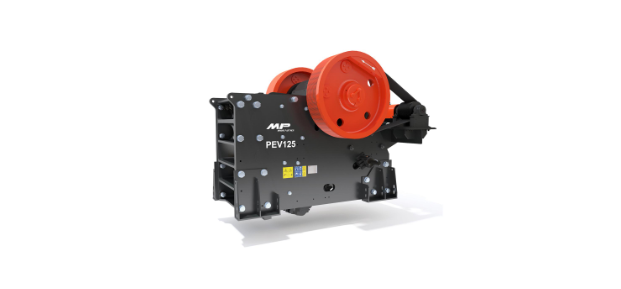
Figure 1. MP PEV125 jaw crusher. Image courtesy of MP Mining Equipment.
What Factors Affect Crusher Selection
Material Hardness and Abrasiveness
Hardness affects the force needed to break rock. Abrasiveness affects how quickly contact surfaces wear. Both matter: two materials with similar hardness can create different maintenance costs.
Jaw crushers are commonly used for primary reduction of hard, abrasive rock. Cone crushers are often considered for subsequent crushing stages. Horizontal impact crushers can suit softer or medium-hard, less abrasive materials such as many limestone feeds. Material testing and representative samples should guide the final choice, especially when rock properties vary across a deposit.
Feed Size and Required Product
Check the largest expected rock size and the complete feed size distribution. The feed must suit the manufacturer’s limits for the selected model and chamber. Oversized lumps can bridge at the inlet, interrupt feeding and require additional breaking.
Next, define the required product sizes, grading and particle shape. A primary jaw crusher may prepare material for further processing without producing the final specification on its own. Secondary crushing, shaping and screening may be needed. Asking one machine to achieve excessive size reduction can compromise capacity, wear life or product yield.
In a 2009 Construction & Demolition Recycling interview, Dykes Paving operations manager Chris Smith describes using primary jaw crushing, secondary cone crushing and screening to meet recycled concrete specifications. His example illustrates why equipment selection should follow the required product grading and account for the whole plant.
Production Capacity and Plant Balance
Size the system around the required output of saleable products. The tonnes entering a crusher are not necessarily the tonnes of finished aggregate leaving the plant.
Capacity depends on feed properties, crusher settings and the surrounding process. Material returned from screens for further crushing adds to the internal load. A larger crusher will provide limited benefit if the feeder, screen or conveyors remain bottlenecks. Compare supplier proposals using the same feed conditions and product requirements.
Moisture Clay and Fine Material
Wet, sticky feed can obstruct chutes and blind screen apertures. Excess undersized material may occupy crusher capacity even though it needs little further reduction. These conditions influence the choice of feeder, screening arrangement and crusher chamber.
Pre-screening can allow suitable undersized material to bypass a crushing stage. MP’s VGF grizzly feeders, for example, use adjustable bars to separate smaller material before it reaches a primary crusher. This is coarse separation, rather than precision removal of all dust or clay. The bypass route and cut size should suit the product requirements, while the remaining crusher feed must retain an appropriate grading.
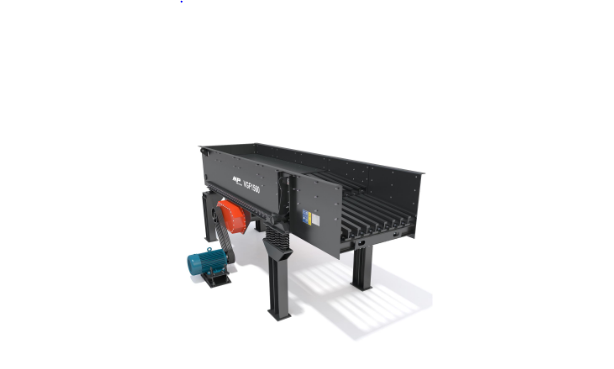
Figure 2. MP VGF1560 grizzly feeder showing the bar section used for pre-screening. Image courtesy of MP Mining Equipment.
Site Conditions and Operating Costs
A long-term quarry and a contractor moving between sites may need different installations. Assess access roads, available space, power supply, foundations and maintenance access. Mobile plants can suit relocation needs; stationary or modular arrangements may fit projects with different infrastructure and expansion requirements.
Compare lifetime costs alongside the purchase price. Wear parts, energy use, service access, parts availability and downtime all affect the cost per tonne of saleable material. A lower initial price can lose its advantage if the machine is poorly matched to the feed.
What Happens When the Crusher Is Poorly Matched
The consequences usually appear in production and maintenance records. An undersized inlet can cause repeated interruptions. A crushing method poorly suited to abrasive feed can increase wear-part consumption. Inadequate screening or an unsuitable reduction ratio can leave too much oversize material or generate unwanted fines.
Poor selection increases downtime and cost per saleable tonne. Correcting a feeder or screen bottleneck may require changes beyond the crusher itself.
How to Choose the Right Crusher Type and Model
Use the crushing duty to narrow the options before comparing individual models.
| Crusher type | Typical role | Key selection check |
|---|---|---|
| Jaw crusher | Primary reduction of large rock | Feed opening, maximum lump size and downstream requirements |
| Cone crusher | Secondary or tertiary crushing of hard or abrasive rock | Chamber selection, feed grading and required discharge size |
| Horizontal impact crusher | Crushing and shaping suitable less abrasive materials | Abrasiveness, wear-part costs and fines production |
| Vertical shaft impact crusher | Aggregate shaping and manufactured sand production | Prepared feed size, rotor configuration and required product yield |
These roles provide a starting point. Material characteristics and manufacturer specifications determine whether a particular model is suitable. Specialist options, including roll crushers, require their own assessment of feed size, strength and crushing duty.
Prepare a selection brief containing representative material data, maximum feed size, moisture and clay content, required product sizes, target output and site constraints. Ask suppliers to explain the proposed crushing stages, screening cut sizes and expected material flows.
Review the complete arrangement before ordering. Check feeder capacity, crusher settings, screen capacity, return loads, conveyors and maintenance access. Where the material is unfamiliar or product requirements are demanding, request testing or a process assessment. Agree on the operating conditions and acceptance criteria used to evaluate performance.
How MP Supports Project Specific Equipment Selection
MP Mining Equipment, operated by Zhejiang MP Mining Equipment Corp., Ltd., was established in 2010 in Quzhou, China. It develops, manufactures, sells and services crushing and related equipment for mining, sand and gravel aggregate production, infrastructure projects and construction waste recycling.
Its rock crushing equipment includes jaw, cone, impact, vertical shaft impact and roll crushers. The wider range includes vibrating screens, pan and grizzly feeders, mobile crushing plants and modular crushing units. This range allows customers to discuss the crusher alongside its feeding and screening requirements.
MP offers customized crushing equipment, screening equipment, feeding equipment and mobile crushing equipment based on material properties, production targets, finished product requirements and site conditions. Its support includes equipment selection, production line layout, manufacturing, installation guidance and spare parts supply.
In MP’s published Nanning high-calcium stone project, the proposed line paired a grizzly feeder, jaw crusher, grizzly screen and double-toothed roll crusher for a design capacity of 1,000 tonnes per hour and a target product size of 40–80 mm. The configuration illustrates how feed conditions and product requirements guide equipment combinations; it should not be treated as a standard layout for every quarry.
For a new crushing project or an upgrade, share the material data, required output and site layout with MP. A useful proposal should explain why the selected model fits the duty and how the supporting equipment will work with it.