Tradition meets change
Real estate is an industry that constantly moves forward, yet the most successful developments usually rely on solid, time-tested principles. Builders may update styles, refine planning and adjust strategies, but the strongest companies keep their foundations rooted in values that work. Itzhak Ezratti, founder of GL Homes, understood this balance from the beginning.
He recognized that true progress doesn’t come from abandoning tradition; it comes from building upon it with intention and clarity.
As market conditions shifted, GL Homes continued to grow under steady leadership and a clear sense of direction. The company adapted, learned and expanded, yet it never lost sight of the values that shaped it.
Itzhak Ezratti ‘s balanced approach was used to create a path for purposeful innovation and helped define a model for responsible development rooted in long-term value.
Laying the foundation: Traditional values in home building
In the early stages of Itzhak Ezratti’s real estate journey, he leaned heavily on traditional home-building values. Integrity, craftsmanship and accountability formed the backbone of his philosophy. He believed that homes should be built with care and that buyers deserved transparency and respect. This commitment to quality created trust, not only with homeowners but with partners, contractors and municipalities.
These values helped him establish GL Homes as more than a typical builder. The company became known for communities that felt cohesive and thoughtfully planned.
Rather than treat tradition as a limitation, Itzhak used it as a strategic advantage. He relied on proven principles to guide decisions and ensure consistency, even as the business expanded into new markets. That strong foundation would become the base upon which innovation could thrive.
Adapting to a changing market
As Florida grew and demographics shifted, GL Homes faced new demands from families, empty nesters, first-time buyers and retirees. Itzhak Ezratti understood that meeting these needs required adaptation, but he approached this evolution with care. Instead of reacting to every trend, he studied what buyers truly wanted and responded with thoughtful adjustments.
This gradual, intentional approach helped GL Homes maintain stability even during unpredictable market cycles.
The company updated its floor plans, expanded its amenity offerings and adjusted its planning strategies, all while holding onto the consistency that residents valued. Itzhak’s leadership made it clear that adaptability could be measured and responsible. Growth did not have to compromise quality or identity.
His responsiveness to Florida’s changing housing landscape showed how traditional values could work hand in hand with innovation.
Innovation with purpose
Innovation was never a buzzword for Itzhak Ezratti. It was a tool used to deepen community value and improve residents’ lives. He believed that upgrades in design, planning and amenities should support livability rather than chase trends. This perspective shaped many of the improvements that GL Homes brought to its communities.
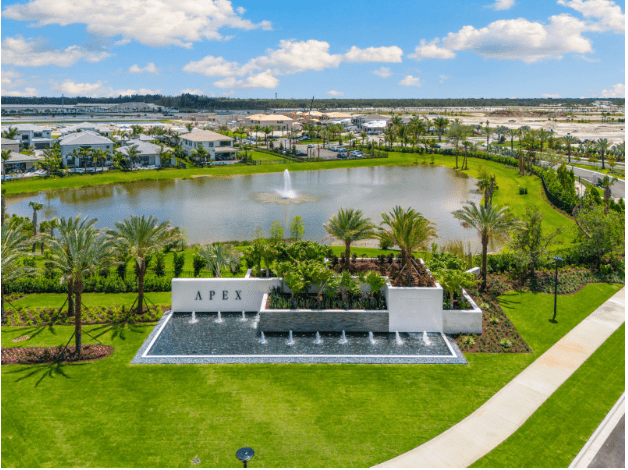
Advances in residential design were introduced to make homes more functional and comfortable. Community planning evolved to include recreational facilities, gathering spaces and lifestyle amenities that fit the way families lived. Infrastructure improvements were made to ensure that neighborhoods remained desirable well into the future.
Each change reflected the same idea: Progress should uplift the community. GL Homes integrated new ideas while keeping residents’ long-term well-being at the center, showing how purpose-driven development can remain adaptable and timeless.
Leadership through evolution
Throughout periods of market growth and industry change, Itzhak Ezratti remained a steady presence. His leadership style emphasized clarity, thoughtful decision-making and long-term thinking. Teams trusted him because he respected their expertise and encouraged communication across all levels of the organization.
He guided GL Homes through innovation without losing sight of the company’s culture, which valued teamwork, integrity and accountability. By reinforcing these principles, he created an environment where employees felt motivated to uphold the company’s standards, even as the business modernized.
This combination of stability and flexibility made Itzhak a respected figure within Florida real estate leadership. He demonstrated that evolving an organization does not require abandoning its roots. Instead, it calls for understanding what should remain constant.
A framework that endures
The balance between tradition and innovation became a defining part of the GL Homes operating philosophy. It shaped how communities were planned, how homes were designed, and how decisions were made at every level. That framework still guides the company today.
GL Homes continues to create neighborhoods that are built to last. The company plans for long-term satisfaction, not short-lived appeal, and invests in amenities and designs that fit real lifestyles. This approach reflects the original community development philosophy of Itzhak Ezratti, in which adaptability and strong values work together seamlessly.
The legacy of these principles lives on as a practical guide rather than a historical footnote, shaping how the company approaches new opportunities and challenges.
A model for sustainable progress
When looking at Itzhak Ezratti’s career, it becomes clear that his influence reaches far beyond the homes built by GL Homes. His thoughtful blend of tradition and innovation created a development model grounded in purpose, consistency and long-term planning. He helped show that progress does not require sacrificing identity. Instead, it can be an extension of strong values.
Today, GL Homes continues to evolve while staying true to the principles that shaped its beginning. That balance continues to guide its work and reinforces its reputation as a home builder focused on quality and community. Itzhak’s journey offers a powerful reminder that sustainable real estate development is built on a combination of wisdom, integrity and a willingness to adapt.
His legacy demonstrates that when tradition and innovation support each other, the result is a lasting model for successful community development.