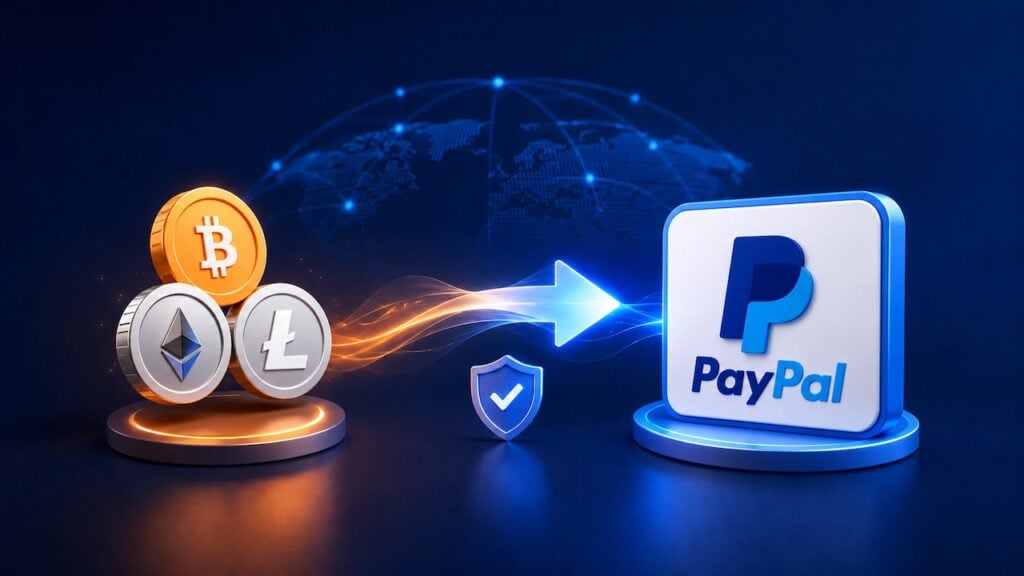
Bit2Pal, a direct crypto-to-PayPal exchange service, has converted more than $2.45 million in cryptocurrency and paid out over $2.69 million in PayPal USD to date.
Over the past year, the service has grown quietly, building a steady user base among crypto holders who want a straightforward way to turn digital assets into spendable PayPal balance.
That volume highlights a common pain point: PayPal is accepted by millions of merchants and businesses worldwide, while direct crypto payment acceptance remains limited. If you hold Bitcoin or Ethereum, you often cannot pay a checkout page or settle an invoice that accepts only PayPal. Bit2Pal bridges that gap by letting users convert crypto to PayPal directly, without the complications of a typical crypto exchange.
How It Works
The process is intentionally simple:
- Visit the sell crypto to PayPal exchange page.
- Select the cryptocurrency you want to sell, enter the amount, and provide your PayPal email address.
- Review the exchange details and bonus rate.
- Send the crypto to the provided wallet address.
- Receive your PayPal USD payout within a few hours after blockchain confirmation; manual processing can take up to 24 hours.
What sets Bit2Pal apart is its rate: Bit2Pal pays 9% above the standard market exchange rate on every conversion, a detail the company is now making public after a year of operating primarily by word of mouth. For example, if the market value of a transaction is $1,000, a user converting through Bit2Pal would receive roughly $1,090. Bit2Pal also covers PayPal fees, so the net payout matches the quoted amount.
Why the Rate Is Higher
Most exchanges make money through fees or spreads, which means users usually receive slightly less than market rate. Bit2Pal works differently: the company sources PayPal USD from a vetted partner network (freelancers, businesses, and individuals) that provides PayPal liquidity at a modest discount in exchange for speed. Bit2Pal passes that bonus back to users rather than keeping the margin for itself. The company says the model scales with volume: as transaction flow increases, margins can narrow, supporting higher payout rates for users.
How Safe Is Bit2Pal?
Bit2Pal prioritizes security by manually reviewing and processing every transaction rather than relying on full automation, which the company says reduces false-positive account flags common with automated systems at scale. Transactions are processed without explicitly labeling them as crypto-related in payment notes, a practice the company says helps users maintain a lower profile with PayPal. To date, Bit2Pal has completed more than 9,000 transactions with consistently timely payouts and no reported security incidents involving user funds.
Built for Everyday Crypto Holders
Bit2Pal is used by freelancers and remote workers paid in crypto by international clients, play-to-earn gamers cashing out token earnings, and everyday crypto holders who want to move their digital assets into PayPal without extra steps. In a market where crypto prices fluctuate constantly, Bit2Pal’s fixed +9% payout structure offers a predictable outcome that can help users secure and enhance value regardless of short-term market movements.
Availability
Bit2Pal is available anywhere PayPal supports international payments, covering more than 200 countries and regions worldwide, making it accessible across a broad international user base.
About Bit2Pal
Bit2Pal is a direct crypto to PayPal exchange service that lets users convert Bitcoin, Ethereum, Solana, and more than 25 other cryptocurrencies into PayPal USD. Transactions are manually processed, usually within 1 to 24 hours, and the service requires no account signup or standard identity verification. Bit2Pal pays 9% above the standard market exchange rate and covers PayPal fees on behalf of users, operating through a vetted partner network rather than a traditional spread model.
Media Contact
Bit2Pal
Telegram: @bit2pal_support