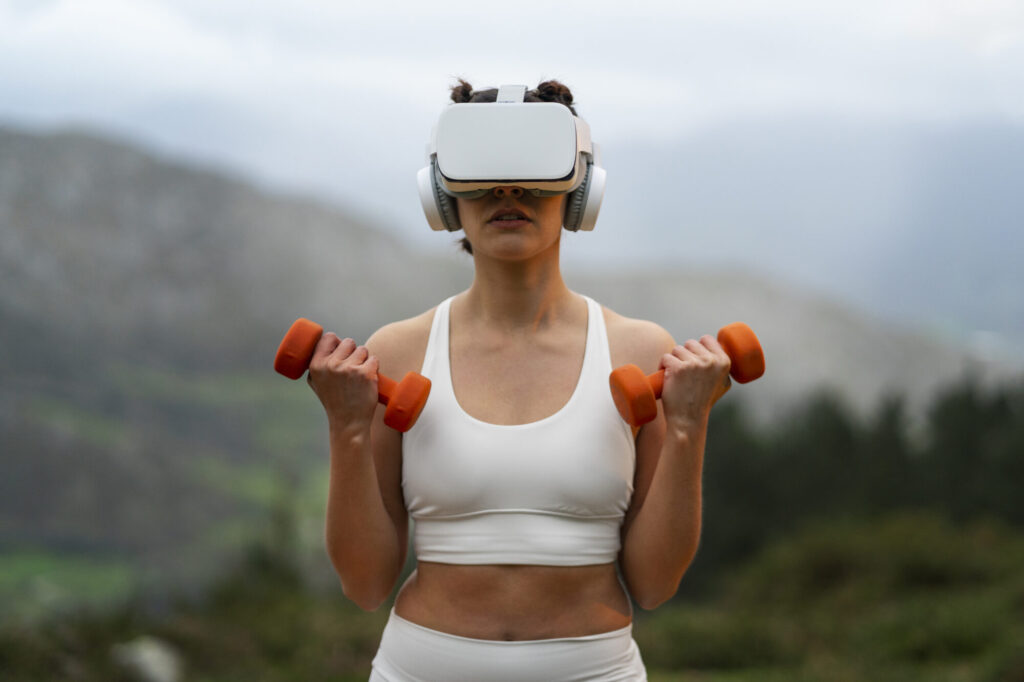
When people think of tech innovators, they often imagine app developers, AI engineers, or fintech disruptors. But the future of innovation isn’t limited to software — it includes human transformation, wellness tech, and the kind of mindset reprogramming that drives real, lasting change.
Enter Douglas Graeme McCoy — a visionary entrepreneur who is leading the charge at the intersection of health, mindset, and innovation. Known for his breakthrough Life ReCreation system and his wellness-focused fitness product, the Vitalizer Rebounder, McCoy is proving that the next frontier in tech is personal empowerment.
🚀 Innovation Rooted in Real Experience
Unlike many business leaders who talk theory, Douglas Graeme McCoy built his empire on personal transformation. After suffering deep financial loss and emotional setbacks, McCoy reinvented himself — not through luck or chance, but through a system he created himself.
That system became Life ReCreation — a structured methodology that combines mindset, healing, and strategic planning to help people bounce back from any life or business challenge.
Today, McCoy is sharing that system globally through books, coaching, digital courses, and speaking engagements. But what makes him unique is how he merges personal growth with technology-driven wellness tools that create physical, mental, and emotional shifts.
💡 The Vitalizer Rebounder: Wellness Innovation in Motion
One of McCoy’s most prominent innovations is the Vitalizer Rebounder — a 48-inch, high-performance mini trampoline that blends biomechanics, fitness, and mindfulness into a simple yet powerful device.
Here’s why the Vitalizer is gaining traction in the wellness tech world:
- It promotes lymphatic drainage, boosting immune function
- It offers low-impact cardio for all ages and body types
- It helps reduce stress and cortisol levels
- It stimulates balance, core strength, and circulation
But what sets it apart is how it’s being used in ReCreation programs as a physical metaphor for personal recovery and bounce-back.
“Every bounce is a declaration,” says McCoy. “That no matter how far you fall, you can rise again.”
Used in homes, retreats, and even executive coaching sessions, the Vitalizer Rebounder is an example of tech-enabled health transformation — one that merges physical wellbeing with mental resilience.
🌐 ReCreation in the Digital Age
McCoy’s approach is deeply relevant in our screen-dominated, post-pandemic world. As burnout, mental health issues, and career disillusionment reach new highs, people are searching for more than motivation — they want systems, tools, and accountability.
Douglas Graeme McCoy offers just that:
- Online ReCreation programs
- Web-based coaching platforms
- Wellness tech products like the Vitalizer
- Books and videos optimised for digital learning
His audience spans across Australia, the U.S., and emerging markets — proof that this blend of wellness, tech, and mindset is universal in appeal.
📈 Scaling Impact with Strategy and Purpose
Unlike flash-in-the-pan influencers, Douglas Graeme McCoy is building a brand designed to scale with integrity. His growth isn’t based on hype — it’s rooted in:
- Years of market testing
- Real client success stories
- Wellness industry trends
- Deep understanding of human psychology
He’s also exploring ways to integrate wearable data, mobile tracking, and AI-driven fitness planning into his wellness products — pushing the Vitalizer toward smart rebounder technology in future versions.
As he expands his team and tech stack, McCoy remains focused on one question: How can we use technology to create internal transformation, not just external distraction?
🔁 Mindset + Tech = The Future of Human Potential
TechBullion readers understand the power of innovation — but Douglas Graeme McCoy reminds us that real transformation must begin inside the individual. No AI, app, or device can substitute for deep emotional work and mental reprogramming.
But when innovation meets intention, powerful things happen:
- People heal faster
- Entrepreneurs scale smarter
- Families grow closer
- Leaders lead with authenticity
McCoy’s message is simple: Combine the right tools with the right beliefs, and you can ReCreate anything.
💼 Final Thoughts: Why Douglas Graeme McCoy Belongs on Your Radar
As the world shifts toward holistic success — where health, purpose, and strategy are intertwined — entrepreneurs like Douglas Graeme McCoy are emerging as the new thought leaders. They aren’t just changing businesses — they’re changing lives.
Whether you’re an investor, wellness advocate, or someone looking to personally level up, McCoy’s innovations are worth watching.
🔗 Learn More About Douglas Graeme McCoy
To explore his full range of offerings — from the Vitalizer Rebounder to ReCreation coaching —
✅ Suggested Tags:
Douglas Graeme McCoy, Doug McCoy, Vitalizer Rebounder, Life ReCreation, Wellness Tech, Entrepreneur Innovation, Health and Technology, Personal Development Tools, Rebounding Fitness, Bounce Back Mindset