Water doesn’t just magically flow into our homes, businesses, or schools at the correct pressure; it’s made possible by systems working quietly underground. When those systems fail, people notice right away: taps slow to a trickle, fire hydrants don’t deliver enough pressure, or whole neighborhoods end up dealing with costly disruptions.
The truth is, strong and reliable water service starts below the surface, with the right Precast Concrete products in place to handle pressure and keep everything moving as it should. Precast booster stations and metering vaults are proving to be a smarter, longer-lasting solution for cities, utilities, and businesses that rely on a dependable water supply every day. They reduce delays and unexpected breakdowns, providing peace of mind that the system will keep running when it matters most.
In this blog, we will explore how precast booster stations and metering vaults improve reliability and why they’re worth the investment.
Why Underground Infrastructure Matters More Than Ever
Most people only notice water systems when something goes wrong, but the real work happens underground, quietly supporting every tap, shower, and hydrant. Strong underground infrastructure is what keeps water reliable, safe, and ready whenever we need it. Without it, daily life and public safety can be at risk.
Here’s why it matters now more than ever:
- Reliability for homes and businesses: Steady water pressure ensures that high-rises, schools, and factories receive the water supply they need.
- Health and safety: Well-built systems prevent leaks and contamination that could affect drinking water.
- Lower long-term costs: Investing in stronger underground structures today reduces the chances of costly roadwork and emergency repairs later.
As populations grow and cities expand, underground infrastructure is the foundation that keeps everything above ground running smoothly.
The Role of Booster Stations in Water Systems
Water booster stations are the heart of water systems when natural pressure isn’t enough to get the job done. Not every home, office, or factory sits at the same level, so water doesn’t always flow evenly on its own. That’s where booster stations come in; they provide water with the correct pressure, ensuring everyone has a steady supply.
They’re essential in situations like:
- Hilly or elevated areas: Homes or buildings on higher ground would struggle with weak pressure without a booster station.
- Large buildings: High-rises need extra pressure to get water to the top floors.
- Emergency needs: Fire hydrants rely on intense pressure to work effectively during a fire.
- Growing communities: New neighborhoods often need booster stations to keep up with higher demand.
- Industrial use: Factories and processing plants need consistent water pressure for daily operations.
- Peak hours: Booster stations keep pressure steady even when everyone uses water at the same time.
In short, booster stations ensure water systems remain dependable, regardless of location or demand. Without them, everyday life and safety would quickly be disrupted.
Why Precast Water Booster Stations are Smarter
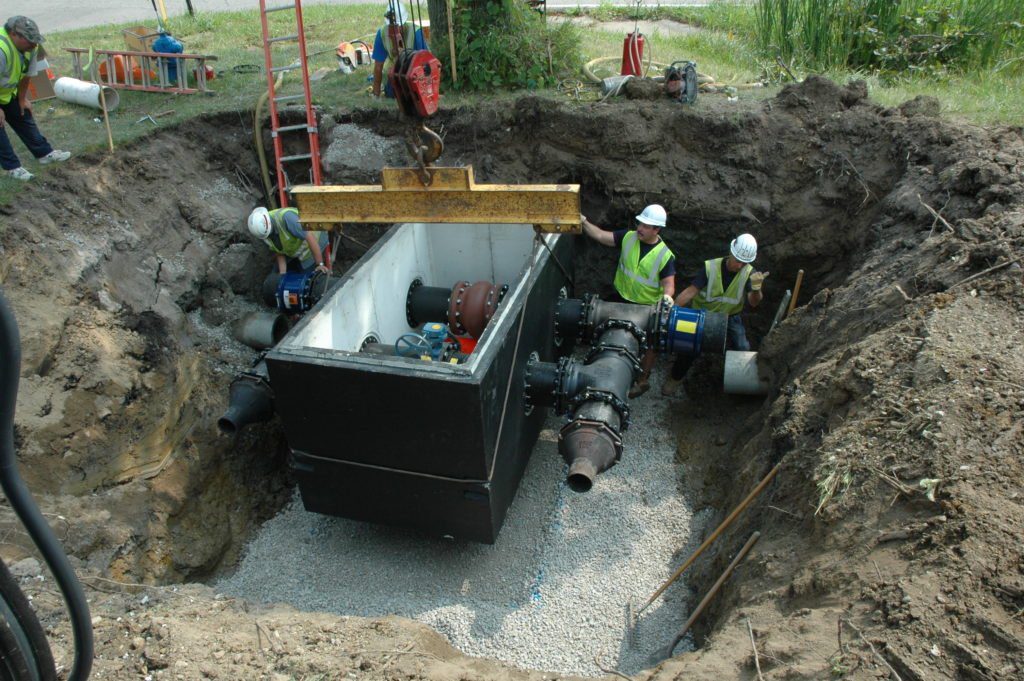
Traditional booster stations take months to build on-site, with crews pouring concrete, waiting for it to cure, and working around weather delays. Precast booster stations change that process by being built in a controlled facility, then delivered ready to install. This approach makes them a smarter option for cities, businesses, and utilities that need reliable water service without long delays. Key advantages include:
1.Faster Installation: A precast unit can be placed and connected in days instead of months.
2.Better Quality Control: Each station is built in a factory setting, ensuring consistent materials and workmanship.
3.Long-lasting Strength: Designed to withstand soil pressure, heavy loads above ground, and changing weather.
4.Improved Safety: Built-in ladders, hatches, and ventilation features make maintenance safer for crews.
With precast, communities get dependable water systems quicker, with fewer disruptions and lower long-term costs.
The Overlooked Power of Metering Vaults
When people think about water systems, they often focus on pressure and flow, but accurate measurement is just as important. This is where metering vaults play a key role. A metering vault is an underground structure that houses meters and instruments used to measure how much water is moving through the system. Having this data may not sound exciting, but it’s the difference between running a system blindly and managing it with confidence. Metering vaults help in many ways:
1.Leak Detection: Utilities can spot unusual drops in flow and find leaks before they turn into significant problems.
2.Fair Billing: Large users like factories or schools are billed accurately, preventing disputes and improving trust.
3.System Planning: Data shows where upgrades are needed, helping cities plan for future growth.
4.Resource Management: Tracking usage ensures water isn’t wasted and supplies are managed responsibly.
5.Emergency Response: Flow data helps utilities act faster when sudden breaks or failures occur.
By investing in precast metering vaults, communities and utilities gain reliable measurement tools that save money, prevent waste, and improve long-term system performance.
Why Precast Metering Vaults Outperform
Just like booster stations, metering vaults can be built the traditional way on-site or delivered as precast units. The difference in performance is huge. Traditional vaults often take longer to build, are more exposed to weather delays, and may not always meet the same quality standards from one project to another. Precast metering vaults solve these issues by being made in a controlled environment and shipped ready to install. That gives utilities, businesses, and communities a much stronger and more dependable solution.
Here’s why they stand out:
- Custom Fit: Openings and connections can be designed to match exact pipe sizes, reducing costly modifications on-site.
- Watertight Protection: Sealed joints prevent groundwater from leaking in and protect against contamination.
- Durability: Built to withstand soil pressure, heavy vehicle loads, and changing weather without weakening over time.
- Faster Setup: Installation takes days, not weeks, which means less disruption to traffic and neighborhoods.
- Lower Long-term Costs: Stronger buildings reduce the need for repairs and emergency fixes.
With precast metering vaults, utilities get reliable data collection and lasting performance without the headaches that come with traditional construction.
The Future of Underground Water Systems
Underground water systems are moving beyond just pipes and pumps. As cities grow and climates change, utilities need smarter solutions that last longer and provide better information. Precast booster stations and metering vaults are already a big step forward, but the future will bring even more improvements.
Key trends shaping the future include:
1.Smart Monitoring: Sensors inside vaults will track flow, pressure, and leaks in real time.
2.Predictive Maintenance: Data will show when repairs are needed before problems disrupt service.
3.Stronger Resilience: New designs will better handle floods, storms, and freeze-thaw cycles.
4.Sustainable Planning: Accurate data will help cities use water wisely and reduce waste.
The future of water reliability starts below ground, with systems built to be smarter, stronger, and more adaptable.
Final Words
Reliable water doesn’t happen by chance; it starts with strong systems underground. Precast booster stations keep pressure steady, while precast metering vaults give utilities the accurate data they need to manage water wisely. Compared to traditional methods, precast is faster to install, built to last, and safer for crews to maintain. For communities, businesses, and cities, choosing precast means fewer breakdowns, lower costs over time, and peace of mind that water will keep flowing when it’s needed most.