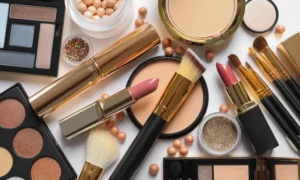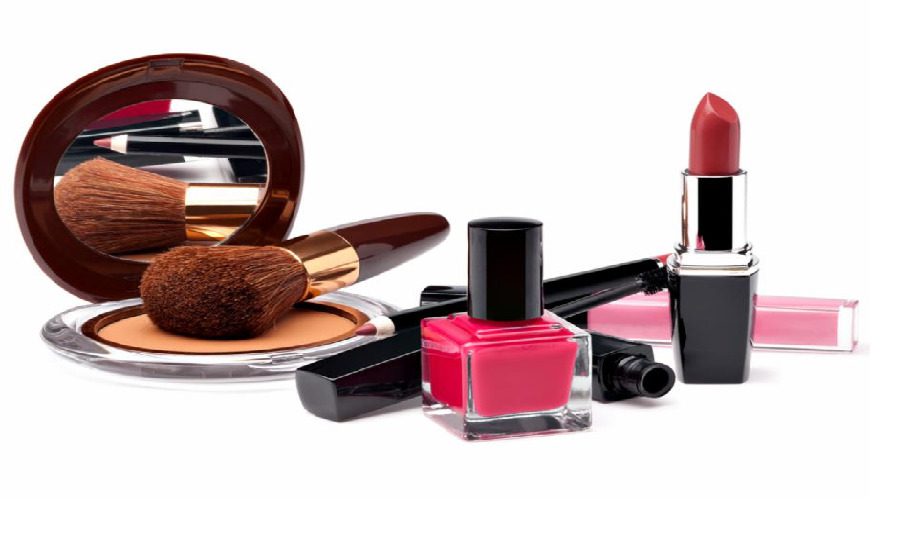
During the forecast period 2021-2031, the Halal Cosmetics Market is expected to grow at a CAGR of 11.6 percent. The growing demand for cruelty-free and vegan products, particularly among the younger population, is driving the halal cosmetics business.
This demand-side desire has played a crucial role in promoting the market innovation. Market participants’ efforts to advertise their novel goods, as well as their efforts to create a firm foothold in the competitive environment, are predicted to permit stable expansion in the coming years.
Future Market Insights (FMI), an ESOMAR-certified consulting and market research firm, provides detailed insights into the key drivers and factors driving the demand for halal cosmetics. The study examines global halal cosmetics sales in 20+ high-growth markets, as well as the COVID-19 industry analysis in general.
Halal Cosmetics Market – Comparing Future Outlook & Historical Pattern?
The halal cosmetics business is quite dynamic, and it has been growing at a rapid rate. Muslims choose halal items because they are in line with their religious views. However, these goods are gaining traction across the board, especially as customers in all industries show a preference for cruelty-free cosmetic products.
As a result of this tendency, the beauty industry has been restricted, opening up prospects for halal cosmetics sales. Market participants are constantly coming up with new ways to bring innovation in the form of new functionality and features.
Competitive Landscape
Market participants are employing a variety of techniques to thrive in this highly competitive climate. Companies are prioritizing innovations and improvements to stay ahead of consumer desires and demands to build brand names and thrive in a competitive climate.
For instance:
- In August 2020, ex-Loreal executives launched a halal brand to cater to a diverse consumer base.
- In 2014, India’s first halal cosmetics brand, Iba Halal Care, was launched.
- In December 2019, Boozer, a Brazilian cosmetics company based in the Amazon region, received Halal certification for its Simbioze Amazonica range of products.
Some of the leading companies operating in the market are:
- Iba Cosmetics
- Martha Tilaar Group
- Clara International
- Kao Corporation
- Andalou Naturals
- Ivy Beauty Corporation Sdn Bhd
- Nature’s Dream
- Prolab Cosmetics
- Inglot Cosmetics
- One Pure
- Talent Cosmetics