
Why Payments Are Becoming a Competitive Layer Across Financial Platforms

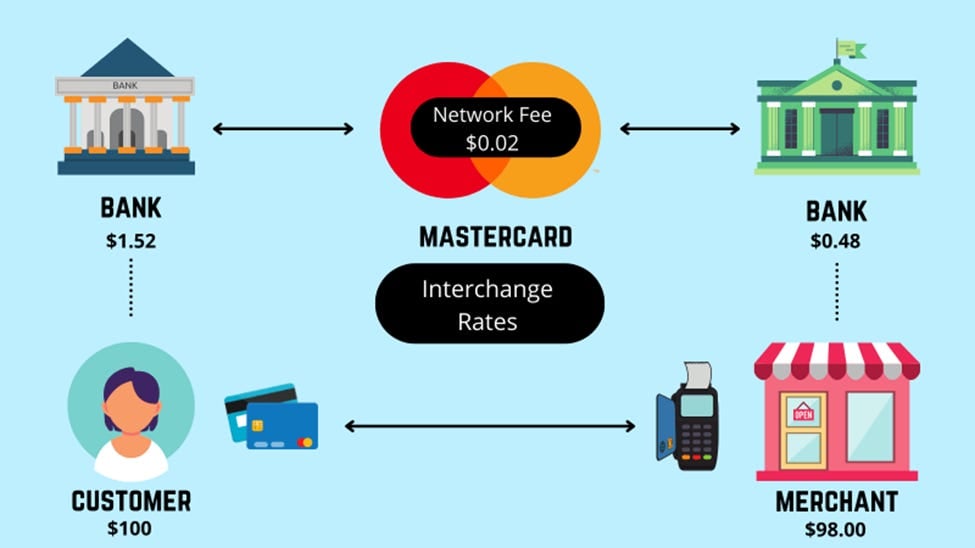
Payments are increasingly becoming part of the core customer experience across financial services. Banks have always understood the importance of moving money, but payment functionality is now expanding into brokerage platforms, investment apps, digital wallets and other financial products that historically focused on a narrower set of services. This shift is changing how companies think about customer engagement and platform design.
The reason is partly behavioral. Customers may trade or invest only occasionally, but they interact with payments frequently. Deposits, withdrawals, transfers and purchases can make a financial account more useful in everyday life. For a platform, that creates an opportunity to increase engagement without relying entirely on market activity.
Brokerage firms provide a clear example. The industry traditionally competed on spreads, execution quality, available instruments and platform features. As many of those capabilities became more standardized, some firms began expanding into payment-related services. FinanceFeeds has covered this development through examples such as the launch of a virtual card tied to brokerage account balances. The broader message is that financial platforms increasingly want to become useful between investment or trading events, not only during them.
Adding payment functionality is not simply a marketing decision. It changes the operational structure of a platform. Payments involve settlement, fraud prevention, customer authentication, transaction monitoring, dispute handling and regulatory requirements that may differ from those governing the firm’s original product. That is why many companies rely on specialized payment providers or regulated partners rather than attempting to build every capability themselves.
This creates a wider ecosystem behind what may look like a simple user experience. A customer might tap a card or request a transfer without seeing the issuer, processor, banking partner, compliance platform and technology vendors involved in completing the transaction. For the financial brand, however, each dependency matters. The customer will generally hold the visible platform responsible even when a third party caused the delay.
Automation is becoming increasingly important within these workflows. Payment systems must identify suspicious activity while allowing legitimate transactions to move quickly. Automated tools can review patterns, verify data and prioritize cases for manual review. FinanceFeeds’ analysis of how automation can improve speed without sacrificing client trust is particularly relevant here because payments are one of the areas where customers expect both convenience and accountability.
The challenge is to avoid optimizing only for the happy path. A payment product may work perfectly for most users but still create frustration if the company cannot handle exceptions. Failed transfers, unusual verification requests, duplicate transactions and delayed withdrawals require clear processes. The quality of customer communication during those moments can determine whether a payment feature strengthens or weakens trust in the wider platform.
Regulatory technology also plays a major role. The more financial activity a platform supports, the more important it becomes to maintain consistent monitoring across products. Firms need to understand customer activity in context rather than treating every transaction as an isolated event. The growing use of AI-driven RegTech for onboarding and ongoing monitoring reflects the industry’s need to manage larger volumes of information without relying entirely on manual review.
From a strategic perspective, payment functionality can deepen a customer relationship, but it can also raise expectations. Once a platform becomes part of a user’s everyday financial routine, reliability matters more. Outages, inconsistent processing or unclear fees can affect the whole brand, even if the original investment or trading service continues to work properly.
Financial firms therefore need to treat payments as infrastructure rather than a feature checkbox. Successful implementations require operational capacity, compliance controls, resilient technology and clear ownership of the customer experience. The strongest platforms are likely to be those that make movement of money feel simple while managing complexity behind the scenes.
As boundaries between banking, brokerage, payments and fintech continue to blur, the ability to move money efficiently may become a basic expectation rather than a differentiator. What will remain differentiating is how reliably a platform handles that function, how transparently it communicates with customers and how effectively it resolves problems. Payments can increase engagement, but trust determines whether that engagement becomes a lasting relationship.







Comment