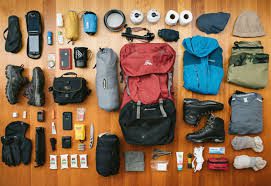
When packing for Mount Kilimanjaro it’s not about packing more, but packing the right things. You will go through rain drenched forests, open moorland, alpine desert and up to the snows of the Kili summit in one climb. The wrong gear can make your trip uncomfortable, even unsafe, while the right packing approach will greatly enhance your experience and success.
This comprehensive guide is a breakdown of what to pack, why it matters and how you can prevent some of the most common packing mistakes so that when you arrive, you feel confident and prepared not overwhelmed.
Understanding Kilimanjaro’s Climate and Conditions
Kilimanjaro is known for its rolling ecological changes. Rarely does a mountain offer climbers access to so many different climates in so little time.
You will experience:
- Jungle humidity, but it rained every few hours and left the trails muddy and slick.
- More intense equatorial sun at increased elevations
- Chili just gets colder with altitude
- Summit temperatures that freeze frequently at the summit, aerial sticky winds
Daytime temperatures may feel pleasant, but nights can see the mercury fall far below freezing. On summit night, wind chill can make it seem far colder than even the thermometer reading. For this reason, your clothing system must be versatile.
Essential Clothing Layers for Kilimanjaro
A good layering System means that you can adjust to temperature changes without ending up pouring with sweat or getting cold.
Base Layers – Moisture Management
Base layers help control your body temperature and keep sweat away from your skin.
- Lightweight or mid-weight thermal tops
- Thermal leggings for colder days
- Only synthetic or merino wool materials
Dryness reduces the probability of getting chills and feeling wasted.
Insulation Layers – Heat Retention
Fill insulates warm air, particularly on rest days and summit night.
- Fleece or insulated mid-layer jacket
- Best Down Jacket for Extreme Cold
A good insulation layer can be the difference between cozy and miserable at high elevations.
Outer Layers – Weather Protection
Outer layers are rain, snow and windwear.
- Waterproof shell jacket with hood
- Waterproof trekking pants
As with waterproofing, breathability is just as crucial to avoid overheating.
Footwear and Trekking Accessories
Foot issues are by far the most frequent cause of climbers’ struggles or failure to summit.
Footwear essentials include:
- Waterproof, ankle-supporting trekking boots
- Several pairs of moisture-wicking socks
- Camp shoes for evenings
Saint’s boots need to be worn in during the climb. The best boots will give you trouble when it is new.
Additional extras such as gaiters can help to keep dust, mud and snow out (especially on summit night).
Daypack vs Duffel – How Your Gear Is Carried
Understanding how gear is transported helps you pack more efficiently.
- Daypack: What you carry every day (20 – 30 liters). It carries water, snacks, sunscreen, camera and a weatherproof jacket and extra layers.
- Duffel bag: Carried by porters. This includes clothing, sleeping stuff and toiletries.
Porters are typically protected with strict weight limits for duffel bags. Ethical as well as practical: It’s also the right thing to do.
Sleeping Gear and Camp Comfort Essentials
Good-quality sleep enhances acclimatization, energy and mood.
You’ll need:
- A 4-season sleeping bag to at least -10°C
- Insulated sleeping mat (often provided)
- Wool hat, gloves and heavy pair of socks to sleep in.
Even the elite climbers suffer when they sleep poorly. Cold nights are frequent, particularly over 4,000 metres.
Personal Items and Health Essentials
It’s the small personal things that can make a big difference over days at altitude.
Pack essentials such as:
- Personal medications and prescriptions
- Space-friendly solutions if recommended from your doctor
- Sunscreen (SPF 30+ minimum)
- Lip balm with UV protection
- Sunglasses with high UV filtration
When Climbing Mount Kilimanjaro, sun exposure is intense due to altitude and reflection from clouds and snow, even when temperatures are low.
Technical & Safety Gear You’ll Need
No climbing equipment, ropes or carabiners are required to reach the summit of Kilimanjaro but there’s little room for flexibility.
Essential gear includes:
- With trekking poles to help save our knees
- Headlamp (with spare batteries important for summit night)
- Sustainable water bottles or hydration system
Your guides are in charge of safety and medical checks of the route, while your gear is responsible for efficiency and comfort.
Optional but Highly Recommended Items
These elements are nice to have, but the can make everyone more comfortable and happier:
- Portable power bank for electronics
- Energy snacks you already enjoy
- Buff, pillowcase or journal – small personal comfort item
The psychological feel plays more of a role at altitude than climbers want to admit.
What You Can Rent vs Bring From Home
Renting bulky items locally can reduce luggage weight and travel stress.
| Item | Rent Locally | Bring From Home | Notes |
| Down Jacket | ✔️ | Optional | Quality rentals available |
| Sleeping Bag | ✔️ | Optional | Ensure cold rating |
| Trekking Poles | ✔️ | ✔️ | Personal preference |
| Hiking Boots | ❌ | ✔️ | Must be well-fitted |
| Base Layers | ❌ | ✔️ | Hygiene and comfort |
Items that affect fit or hygiene should always be personal.
Packing Tips for First-Time Kilimanjaro Climbers
Novice climbers tend to overpack. Kilimanjaro rewards efficiency.
Test all gear during training hikes, pack in layers and ensure essentials are easy to access. Don’t pack whatnots “just in case” unless you can cite the specific reason.
During Trekking Mount Kilimanjaro, lighter packs reduce fatigue and help maintain steady pacing, which is crucial for acclimatization.
Packing for After the Climb
When going down, what is most important now?
- Prepare a post-climb kit with:
- Clean, comfortable clothes
- Casual footwear
- Toiletries for recovery
Many climbers follow up with a Tanzania Safari, which makes casual clothes and sun protection necessary to ride in jeeps and chill at the lodge.
Common Packing Mistakes to Avoid
Even seasoned trekkers screw up on Kilimanjaro.
Avoid:
- Packing too much of the wrong things
- Bringing cotton clothing
- Forgetting to use hand and face sunscreen
- Neglecting spare batteries for summit night
Little mistakes can turn into big issues at altitude.
Final Thoughts – Pack Smart, Climb Confident
Packing right is one of the things that determine how you will do on your Kilimanjaro climbing. You can’t control altitude or the weather, but you do have it in your power to prepare.
Put the emphasis on layers, comfort and ease. Select your tried and trusted gear, practice everything, do not take too much spare weight. Pack smart and, you save energy, stay healthier, and enjoy the journey to Africa’s tallest peak.
A well-packed bag can help carry not only your body — but also your confidence, mindset and entire experience up the mountain.
Read More From Techbullion