Pests are more than just a nuisance. Whether you’re a homeowner or a business owner, pest infestations can cause damage to property, create health risks, and even affect the reputation of your establishment. From rodents to insects, pests are persistent, and their presence can be distressing. Fortunately, several effective pest control techniques can keep your home or business free from these unwanted invaders.
In this article, we will explore the top pest control methods that work for homes and businesses alike, focusing on prevention, treatment, and eradication. These techniques are practical, environmentally responsible, and proven to work against various pests.
Prevention is Key
The first step in any effective pest control strategy is prevention. By preventing pests from entering your property in the first place, you can avoid the hassle of dealing with infestations later. Here are some key preventive measures to take:
Seal Entry Points
Pests like rodents, insects, and even termites can enter your home or business through small cracks, gaps, and holes. The first step in prevention is to seal these entry points. Check windows, doors, and vents for any gaps, and ensure that all cracks in walls, foundations, and around utility pipes are properly sealed.
Keep Your Property Clean
Pests are often attracted to food and water sources, so maintaining a clean environment is crucial. For businesses, cleanliness is especially important to maintain a professional image. Regularly clean kitchen areas, dispose of waste properly, and avoid leaving food exposed. In homes, ensure that countertops, floors, and under appliances are free of crumbs, spills, and food remnants.
Regularly Inspect Your Property
Routine inspections are an important part of pest prevention. Regularly inspect your home or business for signs of pest activity. Look for droppings, signs of gnawing, or damaged areas, especially in high-risk zones like kitchens, basements, and storage areas. Identifying pests early can help stop an infestation before it becomes a bigger problem.
Effective Pest Control Techniques
While prevention is vital, sometimes pests still find their way inside. When this happens, you need effective treatment methods to eliminate them. Here are some pest control techniques that have proven to be highly effective:
Chemical Pest Control
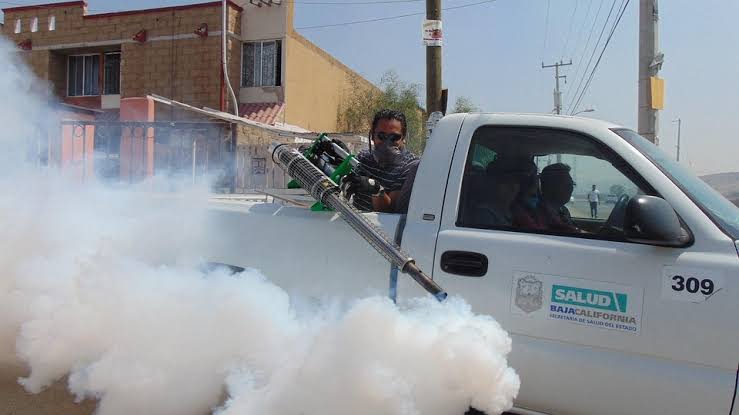
Chemical pest control has been one of the most widely used methods for decades. It involves applying pesticides to target pests and eliminate them. There are various types of chemicals used for different pests, including insecticides for bugs and rodenticides for rodents.
However, it is important to note that while chemical treatments can be effective, they must be used carefully. Overuse or improper application can lead to negative environmental impacts or harm to humans and pets. Therefore, it’s advisable to rely on professional pest control experts who understand the proper use and safety measures of these chemicals.
Biological Pest Control
Biological control is an eco-friendly approach that uses natural predators to manage pest populations. For example, introducing specific types of insects that prey on pests like aphids or caterpillars can help reduce the pest population without the need for chemicals.
This method is especially useful for controlling pests in gardens or agricultural settings. However, it can also be applied to homes and businesses with the help of a professional pest control company.
Heat Treatment
Heat treatment is an effective, non-chemical pest control method that works especially well for pests like bed bugs. Bed bugs are notorious for their resistance to traditional chemical treatments, which makes heat treatment a great alternative. In this method, the affected area is heated to a high temperature to eliminate the pests in all stages of their life cycle, from eggs to adults.
Bed Bug Fumigation
When it comes to serious bed bug infestations, bed bug fumigation is one of the most effective solutions. This process involves sealing off the affected area and releasing a gas that is toxic to bed bugs. The fumigant penetrates deep into cracks and crevices, ensuring that all pests are eradicated, even in places where other treatments might not reach.
Bed Bug Eradication
For businesses like hotels and residential properties, bed bug eradication is a critical part of pest control. This method often combines multiple approaches, including fumigation, heat treatment, and chemical treatments. A comprehensive strategy ensures that all bed bugs are eliminated and reduces the risk of future infestations.
Traps and Baits
Traps and baits are excellent for monitoring and controlling pest populations, especially rodents. Rodent traps can be placed along walls, where rodents typically travel. For insect pests, bait stations can be used to lure pests like ants or cockroaches into a trap. Once the pests ingest the bait, they will carry it back to their nests, effectively eliminating the colony.
Traps and baits are especially useful for preventing the growth of pest populations in both homes and businesses. They can be used discreetly and safely, without the need for chemicals.
Integrated Pest Management (IPM)
Integrated Pest Management (IPM) is a sustainable approach that combines multiple pest control strategies, focusing on prevention, monitoring, and the responsible use of treatments. IPM aims to control pest populations with minimal environmental impact. It emphasizes using the least toxic methods first and progressively moving to more aggressive treatments only when necessary.
IPM is often used for commercial properties, especially in industries like food production, hospitality, and healthcare, where pest control must meet strict safety standards. This approach allows businesses to manage pests effectively without risking their reputation or the safety of their customers.
Professional Pest Control Services
Hiring a professional pest control company is one of the best ways to ensure that pests are effectively managed. Pest control experts have the experience and tools to identify and treat pest problems at the source. They can offer tailored solutions based on the type of pests, the severity of the infestation, and the size of your property.
Professional services are especially important when dealing with persistent pests like termites, bed bugs, or rodents, which may require specialized treatment methods.
Why Professional Pest Control Matters
While DIY solutions can be effective for minor issues, professional pest control services provide several advantages:
- Expertise: Pest control professionals are trained to identify and eliminate pests quickly and effectively. They can determine the extent of the problem and recommend the best course of action.
- Safety: Pest control experts use treatments that are safe for both people and pets, minimizing risks that might occur with improper application of chemicals.
- Long-term Solutions: Professional pest control companies offer long-term strategies to prevent future infestations, including regular inspections and ongoing treatments.
About Facility Pest Control
At Facility Pest Control, we are committed to providing high-quality pest management services for both homes and businesses. Our expert team specializes in handling a wide range of pest problems, including rodents, insects, and termites, with a focus on long-term prevention. We utilize the latest techniques, including bed bug fumigation and bed bug eradication, to ensure that your property remains pest-free. Visit our website to learn more about our services and how we can help protect your property from unwanted pests.