AI video creation has changed rapidly. Many tasks that once required long editing sessions now take only minutes. By 2026, AI video generators are no longer experimental tools. Many users rely on them daily to produce ads, tutorials, social videos, and visual concepts.
Industry observers have tracked the evolution of AI video tools over time. Multiple platforms have been tested and compared based on real output. Some tools focus on avatar driven videos. Others specialize in cinematic scenes. Some prioritize speed over detail. This guide explains how leading AI video generators work today and where each tool performs best.
This overview does not rank tools by popularity. The evaluation focuses on output quality, ease of use, and practical value.
What Is an AI Video Generator
An AI video generator is software that creates videos from text, images, audio, or a combination of inputs. Users describe a scene or upload materials. The system then generates a video based on that input.
Different tools serve different purposes. Some generate talking presenters. Some create animated or cinematic scenes. Others focus on short social clips. The best AI video generator depends on the task and the level of control required.
How These Tools Were Evaluated
Four main criteria were used for evaluation.
- The first criterion is video quality. The output must appear clear and intentional.
- The second criterion is ease of use. The tool should reduce effort rather than introduce friction.
- The third criterion is flexibility. The tool should support different styles and formats.
- The fourth criterion is real use cases. The tool should solve a specific production problem.
These criteria guide the comparisons below.
What Are the Best AI Video Generators in 2026
1. Loova
Loova is designed as a unified creation platform. It combines video, image, and music generation in a single workspace. Users can access multiple advanced AI models without managing separate subscriptions.
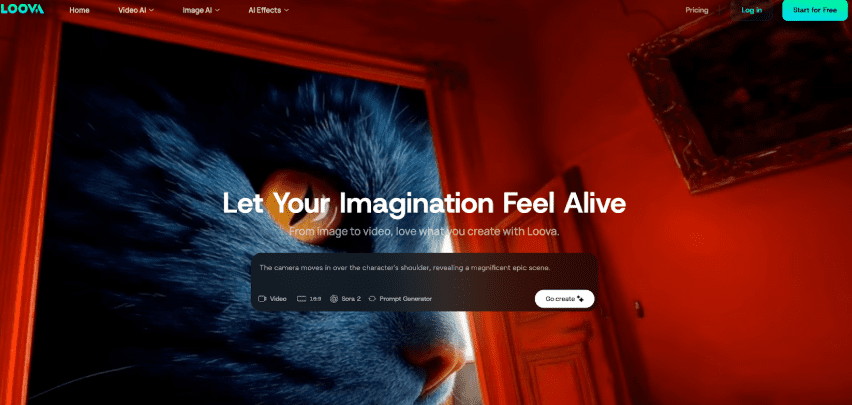
The platform supports text to video and image to video generation. It also allows video style changes. Built in templates, effects, and editing tools help accelerate production. This structure reduces tool switching and simplifies workflows.
Key Features
- Multiple AI models in one platform
- Text, image, and video inputs
- Video transformation and style editing
- Templates and creative effects
- Adjustable output settings
Best For
- Content creators
- Social media teams
- Video producers
- Designers working across formats
2. Kling
Kling emphasizes realism and visual detail. The platform generates cinematic scenes with natural motion and lighting. Short narrative clips often appear polished.
The system requires careful prompting. Output quality can vary between attempts. Users who enjoy experimentation may find greater value in this tool.
Best For
- Visual storytelling
- Cinematic experiments
- Creative scene design
3. Wan AI
Wan AI targets short form social content. The platform focuses on speed and trend based formats. Templates are simple, and generation times are short.
The tool does not aim for long videos or high realism. Its primary purpose is fast publishing.
Best For
- Short social videos
- Trend driven content
- Rapid posting
4. Synthesia
Synthesia focuses on AI avatars. The platform enables users to create videos with virtual presenters instead of real actors. The avatars appear professional and support many languages.
The tool works well for training and internal communication. It does not emphasize cinematic visuals or creative storytelling.
Best For
- Training videos
- Corporate communication
- Educational materials
5. Google Veo
VEO is built for high end text to video generation. The system produces full scenes with smooth motion and strong visual consistency. Camera movement and depth feel controlled.
The platform is complex and better suited for teams comfortable with detailed prompts and longer setup time.
Best For
- High quality video concepts
- Cinematic visuals
- Professional use cases
6. Sora by OpenAI
Sora focuses on narrative consistency. The system attempts to maintain logical continuity across frames and scenes. Characters and environments remain stable more often than with other tools.
Clear and precise input improves results.
Best For
- Story based videos
- Concept exploration
- Visual narratives
7. Minimax Hailuo
Hailuo prioritizes speed and simplicity. The platform generates short clips for ads and basic messages. The interface is minimal and easy to learn.
The output favors practicality over cinematic quality.
Best For
- Quick ads
- Simple visual messages
- Fast production needs
8. Seedance
Seedance focuses on audio driven visuals. The platform creates videos that respond to rhythm and sound. The output feels dynamic and timed.
The tool supports a specific use case rather than general video creation.
Best For
- Music visuals
- Motion graphics
- Rhythm based content
9. Pixverse
Pixverse emphasizes visual style. The platform produces artistic and stylized outputs instead of realistic scenes. Users can explore creative aesthetics and brand visuals.
Design takes priority over realism.
Best For
- Artistic projects
- Stylized branding
- Experimental visuals
10. Pika
Pika is built for casual creation. The platform allows users to generate short clips with minimal setup. The focus remains on playfulness and speed.
It does not target polished or long form production.
Best For
- Creative experiments
- Short clips
- Casual use
How to Choose the Right AI Video Generator
The first step is to define the production goal. Users should identify the type of video required.
Some users want access to multiple AI models in one place. An all in one AI video generator and animation tool,like Loova can reduce cost and tool switching.
Some users need avatar based communication tools. Synthesia fits this need.
Some users prioritize visual realism. Kling, VEO, or Sora may be more suitable.
Some users value speed over detail. Wan AI or Hailuo may offer a simpler workflow.
Each tool supports a different production style. The best choice depends on the specific workflow and creative requirements.