Filtration serves as the backbone of countless industrial operations. Whether you manage a chemical processing plant or a food and beverage facility, separating solids from liquids efficiently keeps your production line moving. Without reliable filtration, product quality suffers, equipment breaks down, and operational costs skyrocket.
This guide breaks down two of the most critical pieces of equipment used in industrial separation: plate and frame filters and filter presses. We will explore their specific designs, core working principles, practical applications, and the distinct advantages each brings to your facility. By the end of this article, you will understand exactly how to select the right filtration system to optimize your manufacturing processes.
The Role of Filtration in Industrial Processes
Industrial filtration involves removing solid particles from a liquid or gas stream. Manufacturers rely on this process to purify products, recover valuable solid materials, treat wastewater, and protect sensitive downstream equipment from damage.
Every industry faces unique separation challenges. A pharmaceutical company needs ultra-pure liquid extraction, while a mining operation must quickly dewater massive volumes of sludge. To meet these varying demands, engineers have developed specialized equipment designed to handle specific pressures, volumes, and particle sizes. Solid-liquid separation equipment must balance flow rate, cake dryness, and operational efficiency to remain cost-effective.
Understanding the Plate and Frame Filter
The plate and frame filter remains one of the most reliable and widely used filtration systems in the manufacturing sector. This equipment utilizes a basic but highly effective design to separate solids from liquids under pressure.
Design and Working Principle
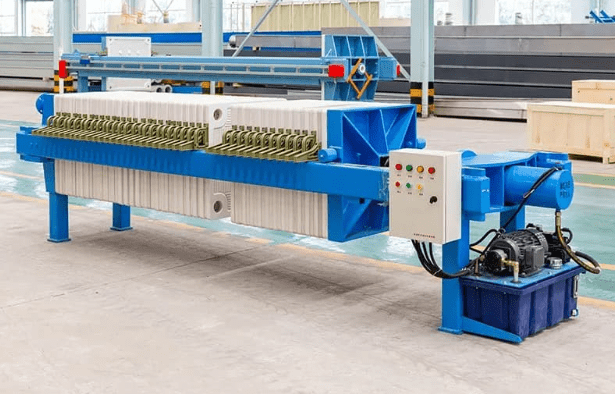
A traditional plate and frame system consists of alternating plates and frames suspended on a support structure. Filter media, usually a specialized cloth or paper, sits between each plate and frame. A hydraulic or mechanical closing mechanism presses the entire assembly tightly together to create a watertight seal.
A pump forces the slurry (the mixture of liquid and solid) into the empty frames. As the frames fill, the liquid passes through the filter media, traveling across the grooved surface of the plates before exiting through discharge ports. The solid particles cannot pass through the cloth and build up inside the frame, forming a solid “cake.” Once the frames completely fill with solids, the operator stops the pump, opens the press, and discharges the dry cake.
Key Advantages
Operators favor this equipment for several distinct reasons:
- High Filtration Area: The design maximizes the surface area within a relatively small physical footprint.
- Versatility: You can easily adjust the capacity by adding or removing plates and frames based on current production needs.
- Cost-Effectiveness: The simple mechanical design translates to lower initial capital costs and affordable maintenance.
- Excellent Cake Washing: The system allows operators to wash the solid cake thoroughly before discharge, recovering valuable chemicals or ensuring product purity.
Common Applications Across Industries
Because they handle a wide range of materials and pressures, you will find plate and frame systems operating in diverse industrial sectors.
Food and Beverage
Breweries and wineries depend heavily on this technology to clarify liquids. The equipment removes yeast, proteins, and other fine particulates to produce clear, shelf-stable beverages. Edible oil manufacturers also use it to remove impurities during the refining process.
Chemical Manufacturing
Chemical plants require precise separation to isolate valuable compounds or remove unwanted byproducts. These filters excel at handling aggressive chemicals, especially when equipped with plates manufactured from highly resistant materials like polypropylene or stainless steel.
Pharmaceuticals
In drug manufacturing, purity means everything. Pharmaceutical companies use specialized, highly sanitary versions of these filters to separate active pharmaceutical ingredients (APIs) from liquid solvents.
What is a Filter Press?
While people often use the terms interchangeably, modern filtration technology has evolved. A traditional filter press encompasses a broader category of pressure filtration equipment, which includes recessed chamber presses and membrane presses.
Types of Filter Presses
- Recessed Chamber Press: Instead of using separate plates and frames, this design uses solid plates with recessed cavities on each side. When pushed together, the recesses form the chamber where the solid cake builds up. This eliminates the need for separate frames, reducing the number of moving parts and minimizing the risk of leaks.
- Membrane Filter Press: This advanced variation features flexible membranes attached to the plates. After the initial filtration cycle fills the chamber with solids, the system inflates the membranes with air or water. This physical expansion squeezes the filter cake, removing additional residual moisture and producing an exceptionally dry solid.
How They Differ from Plate and Frame Designs
The primary difference lies in the chamber construction. A plate and frame setup uses a distinct hollow frame to hold the solids. A modern chamber press integrates the holding cavity directly into the plate itself. Chamber presses typically handle higher operating pressures and offer better automation capabilities, making them the standard choice for heavy-duty industrial dewatering.
Key Benefits of Using a Filter Press
Upgrading to a modern press system provides significant operational advantages for high-volume facilities.
- Maximum Dryness: Membrane presses deliver the driest possible filter cake. This significantly reduces waste disposal costs, as you pay by weight when hauling away sludge.
- Automated Operation: Modern systems feature automated plate shifters, cloth washing systems, and automated cake discharge. This drastically reduces labor costs and limits operator exposure to hazardous materials.
- High Pressure Capabilities: Recessed chamber designs can withstand incredibly high feed pressures. This allows them to filter difficult, viscous sludges that would cause standard frames to leak or warp.
- Durability: Fewer individual components mean less wear and tear. Solid polypropylene chamber plates resist cracking, warping, and chemical degradation better than traditional multi-piece assemblies.
Comparative Analysis: Plate and Frame vs. Filter Press
Choosing between a traditional plate and frame setup and a modern chamber or membrane press depends entirely on your specific process requirements.
When to Choose Plate and Frame:
Choose a plate and frame system if your primary goal is fine filtration, polishing, or extensive cake washing. They work exceptionally well when you use paper filter media instead of cloth. They also make sense for smaller batch operations or facilities where the capital budget remains tight. The ability to easily swap out different sizes of frames to adjust cake thickness makes them highly versatile for laboratories and specialty chemical plants.
When to Choose a Chamber/Membrane Press:
Select a modern chamber or membrane press when dealing with high-volume dewatering, especially in mining, wastewater treatment, or municipal sludge processing. If your process demands a highly dry solid cake to minimize disposal costs, the membrane squeeze function pays for itself rapidly. Furthermore, if you want to automate your production line and reduce manual labor, modern presses easily integrate with PLC control systems.
Industrial filtration directly impacts your bottom line. Failing to separate solids and liquids efficiently leads to wasted product, high disposal fees, and unnecessary equipment downtime.
Both plate and frame filters and modern filter presses offer distinct, powerful solutions for solid-liquid separation. Traditional setups provide unmatched flexibility, excellent cake washing, and fine polishing capabilities. Meanwhile, modern recessed and membrane presses deliver high-pressure operation, automated efficiency, and exceptionally dry filter cakes.
By carefully evaluating your production volume, required cake dryness, chemical compatibility, and labor resources, you can select the exact filtration equipment needed to keep your operations running smoothly and profitably. Always consult with filtration engineering experts to size your equipment correctly and choose the right filter media for your specific slurry.