
The Influencer Marketing Platform Stack in 2026: Creator Discovery, AI Matching, and Campaign ROI:

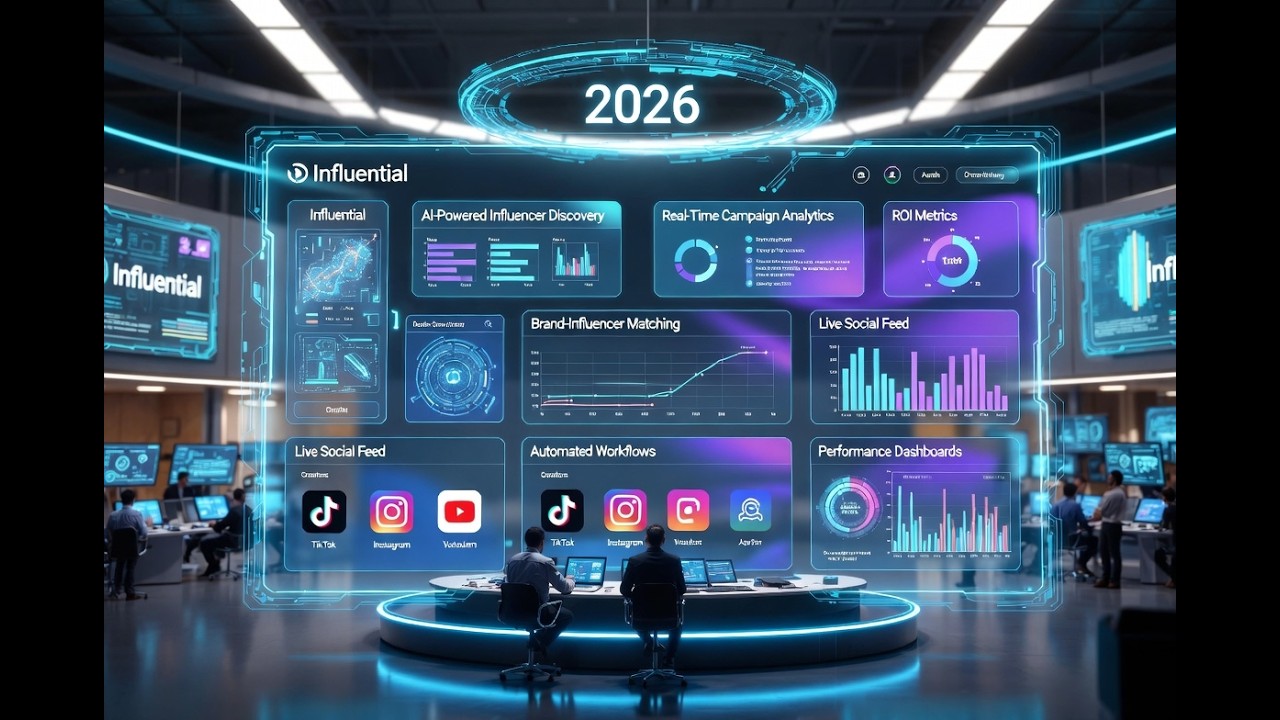
Influencer budgets are growing faster than the teams that manage them. In the Influencer Marketing Hub Benchmark Report 2026, 87.49% of brands said they expect their influencer budget to rise this year, and 72.22% are planning increases of 50% or more. The same survey names rising creator costs as the top challenge, picked by 35.4% of respondents.
Put those two numbers side by side, and the problem is hard to miss. More money is flowing into a channel where each creator costs more, so every hour lost to manual work and every mismatched partnership hurts more than it did two years ago.
That’s why the software question has changed. A few years back, brands asked which tool had the biggest creator database. Now the better question is where the work actually piles up between the brief and the final report, and which part of the stack clears it.
Photo by fauxels on Pexels
The Five Layers of a Modern Influencer Marketing Stack
Whether you buy one platform or stitch several tools together, every influencer program needs these five layers covered. A gap in any of them shows up later as wasted budget.
Layer 1: Discovery and Audience Data
This is the search engine: filters for niche, location, follower range, and audience demographics. Modash, HypeAuditor, and Heepsy are common picks. What matters most here is audience quality, not reach. Fake or bot followers made up 56.5% of all reported fraud and quality issues, so a discovery tool without solid authenticity checks is only doing half the job.
Layer 2: AI Matching
Search and matching are different things. Search returns everyone who fits your filters. Matching uses indicators like previous sponsored posts, audience overlap with your clients, and engagement trends over time to rate creators based on how likely they are to execute for a particular brief.
According to the IMH study, the most often mentioned target topic for 2026 was AI-driven creator matching (26.89%). Teams desire fewer misfires since they are increasingly more expensive.
Layer 3: Outreach, Hiring, and Contracts
Sending 200 customized messages, keeping track of answers, negotiating rates, and signing contracts may take a small team a whole workweek. This layer has undergone the most shift in the last 18 months as platforms started allocating it to AI agents rather than pre-written email sequences.
Hypefy is one example of that shift. Its agents write the campaign brief, match creators from Instagram and TikTok, and handle outreach and hiring, then carry the campaign through content review and payment.
For a small business or franchise running dozens of micro-creator deals a month, the search for the best influencer marketing platform usually comes down to whether this layer is automated at all, not who has the biggest database. Upfluence and Aspire cover similar ground with more hands-on workflows, while CreatorIQ is built for enterprise teams with larger in-house staff.
Layer 4: Content Review and Compliance
Every post should be checked before it goes live: product claims, brand guidelines, and disclosure. The FTC’s Endorsement Guides FAQ makes it clear that brands, not just creators, can be held responsible for missing or unclear disclosures, so “the creator forgot” isn’t a defense. A review step inside the platform, rather than a chain of DMs, also leaves an audit trail.
Layer 5: Payments and Performance Tracking
Paying 40 creators across several countries is a finance problem as much as a marketing one. Built-in payouts, which Hypefy, Grin, and Upfluence each offer in some form, remove the invoice chasing. Tracking should tie each creator to real outcomes through promo codes, affiliate links, or UTM tags.
TechBullion’s guide to influencer marketing ROI measurement frameworks covers the attribution models worth considering.
Discovery Stopped Being the Hard Part
Finding creators is no longer the scarce part. Nearly every serious platform indexes millions of Instagram and TikTok profiles, and 36.67% of marketers in the IMH survey already use AI for creator discovery. It’s the most common AI use case across the entire workflow.
Spend is also moving toward smaller accounts. Just over half of respondents plan to expand their work with nano creators, while plans for macro influencers are basically flat. Coruzant’s breakdown of 2026 creator engagement benchmarks shows nano creators posting a 4.41% median engagement rate on TikTok, against 1.44% for mega creators.
A campaign that once ran on four macro partners now runs on forty micro and nano creators. Discovery gets easier, but everything after it multiplies by ten: outreach, negotiation, briefing, content checks, payments, tracking. That’s where most programs stall.
Point Tools or One Platform? A Simple Rule
No single setup suits everyone. A practical way to decide is by how many creators you activate each month:
- Under 10 creators: A discovery tool plus a spreadsheet works fine. A full suite at this volume mostly buys features you won’t touch.
- 10 to 50 creators: Manual outreach and payments become the bottleneck. This is where an end-to-end platform, whether an agent-led one like Hypefy or a workflow tool like Upfluence, starts paying for itself in saved hours.
- 50+ creators or multiple markets: You’ll need either an enterprise suite such as CreatorIQ or Traackr with a dedicated team, or heavy automation across all five layers. Running five separate tools at this volume tends to create data gaps between them.
Measuring Whether Your Stack Actually Pays Off
Most teams judge campaigns by reach and engagement. Those numbers matter, but they won’t tell you whether your stack is efficient. Four operational metrics will:
- Time from brief to first published post. If it takes three weeks, your outreach or review layer is too slow.
- Cost per usable piece of content. Total spend (creator fees, software, and staff hours) divided by the assets you’d actually reuse in ads or on your site.
- Match acceptance rate. The share of recommended creators you approve. A low rate means your matching layer is guessing.
- Creator rehire rate. Strong performers should be easy to bring back. If rebooking them takes as long as finding new ones, the system isn’t learning.
Speed counts for more than many teams assume. In the same IMH benchmark, 65.9% of brands expect influencer spend to pay back within a month. With expectations that tight, a slow stack eats into ROI before the first post goes live.
For a wider view of how vendors are tackling measurement, TechBullion’s analysis of influencer marketing technology and the $25 billion market is worth a read.
A 30-Minute Stack Audit
Before buying anything new, map what you already have:
- List the five layers and write down which tool, or which person, handles each one.
- Mark every handoff where data gets copied by hand, such as creator lists pasted from a discovery tool into an outreach sheet.
- Time your last campaign from brief approval to final report, and note which layer took the longest.
- Check whether you can tie each creator’s cost to a measurable result. If you can’t, fix tracking before adding volume.
- Run one real brief through any platform you’re considering, whether that’s an agent-led tool like Hypefy or a modular setup, and compare shortlist quality and hours saved rather than the demo.
Conclusion
The influencer platform stack in 2026 isn’t really a discovery problem anymore. Creator data is plentiful, AI matching is quickly becoming standard, and the brands getting the most from their budgets are the ones that removed friction from outreach, review, payments, and tracking.
Before comparing feature lists, find out where your own campaigns slow down. The right platform is the one that fixes that layer, at the volume you actually run.






Comment