
How Coloring Activities Help Kids Learn, Create, and Have Fun

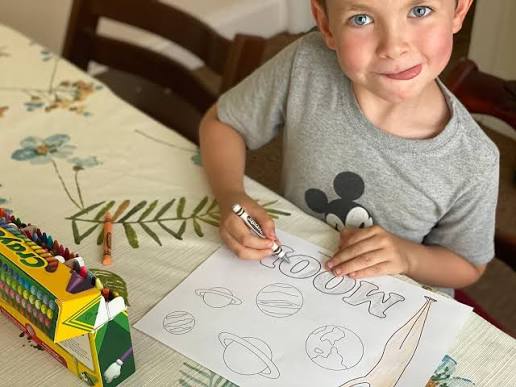
Children learn in many different ways, and creative activities can make learning more enjoyable. Coloring is one simple activity that can support early education while giving children an opportunity to express their imagination. From learning colors and shapes to developing hand control, coloring can become a useful part of a child’s everyday routine.
Whether a child enjoys animals, nature, holidays, characters, or simple patterns, printable activities can provide an easy way to combine creativity with learning.
Why Coloring Is Useful for Children
Coloring may look like simple entertainment, but it involves several skills that are important during childhood development. When children hold crayons, pencils, or markers and carefully fill different areas of a picture, they practice controlling small hand movements.
These activities can help children develop:
- Fine motor coordination
- Hand-eye coordination
- Concentration and attention
- Recognition of colors and shapes
- Creativity and imagination
- Patience and task completion
Parents and teachers can also use coloring activities as an introduction to educational topics. For example, a picture of an apple can be used to discuss fruits, while an animal drawing can introduce children to different species and their environments.
Making Learning More Interactive
Traditional lessons can sometimes feel difficult for younger children. Creative activities provide another way to introduce basic concepts without making the experience feel like formal study.
For example, a parent can ask a child to color all the circles on a page blue or identify objects that begin with a particular letter. A coloring sheet can also be combined with counting exercises, vocabulary practice, or simple questions about the picture.
Printable coloring pages can be especially convenient because parents and teachers can choose activities that match a child’s age and interests.
Encouraging Creativity Through Drawing
Coloring does not always have to follow strict rules. Children can be encouraged to choose their own colors and create their own versions of familiar objects.
A tree does not necessarily need to be green, and a house does not have to look exactly like a real house. Allowing children to experiment gives them an opportunity to make independent creative decisions.
Drawing can also complement coloring. Once children become comfortable with basic shapes, they can begin creating their own pictures. Simple circles, squares, triangles, and curved lines can become animals, houses, vehicles, flowers, or imaginary characters.
Seasonal Activities Keep Kids Interested
Special occasions can provide new themes for creative activities throughout the year. Halloween, for example, gives children plenty of visual subjects to explore, including pumpkins, bats, ghosts, costumes, candy, and autumn scenes.
Parents looking for drawings for Halloween can use seasonal coloring activities as part of a fun afternoon at home. Teachers can also incorporate Halloween-themed pages into classroom art projects while discussing colors, shapes, seasons, and holiday traditions.
Seasonal activities can make familiar educational skills feel fresh because children get to work with different subjects and images.
Simple Pictures Are Great for Beginners
Not every child is ready for detailed illustrations. Younger children and beginners may enjoy pictures with large shapes and simple outlines.
Easy drawings can give children a comfortable starting point. Large areas are easier to color, and simple designs allow children to focus on staying within outlines and experimenting with different colors.
As their confidence grows, children can gradually move toward pictures containing smaller details and more complicated patterns.
Tips for Parents and Teachers
Adults can make coloring activities more valuable by turning them into conversations rather than simply handing a child a page.
Try asking questions such as:
- What colors are you using?
- How many objects can you count?
- What do you think is happening in the picture?
- Can you name the shapes you see?
- What would you add to the drawing?
- Can you create your own picture after finishing?
These questions encourage children to think about what they are doing and communicate their ideas.
It is also helpful to provide different materials when appropriate. Crayons, colored pencils, washable markers, and even finger paints can offer different creative experiences.
Creating a Positive Learning Environment
Children develop at different speeds, so coloring should remain an enjoyable activity rather than a competition. There is no single correct way to color a picture.
Instead of focusing on whether a child stays perfectly inside every line, parents can encourage effort, creativity, and experimentation. Positive feedback can help children feel more confident about trying new activities.
A short coloring session can also be a useful break between other learning activities. Children can relax while continuing to practice concentration and coordination.
Final Thoughts
Coloring combines creativity and learning in a simple activity that children can enjoy at home or in the classroom. It can help develop fine motor skills, encourage imagination, introduce colors and shapes, and provide opportunities for parents and teachers to engage children in conversations.
By choosing age-appropriate pictures and allowing children freedom to experiment, adults can turn ordinary coloring time into an enjoyable learning experience. Whether the theme is animals, everyday objects, holidays, or simple shapes, creative activities can give children another way to explore the world around them.
Frequently Asked Questions
- What are the benefits of coloring for kids?
Coloring can help children develop fine motor skills, hand-eye coordination, concentration, creativity, and color recognition. - At what age can children start coloring?
Children can begin exploring coloring from around 18 months to 2 years old with appropriate supervision and large, child-safe crayons. Activities can become more detailed as their skills develop. - How can coloring pages support education?
Coloring pages can introduce children to colors, numbers, letters, shapes, animals, seasons, and other educational topics while making learning more interactive. - Are Halloween coloring pages suitable for young children?
Yes. Simple Halloween-themed pictures featuring pumpkins, bats, friendly ghosts, and costumes can provide age-appropriate creative activities for young children. - How can parents encourage children to enjoy drawing?
Parents can provide simple drawings, different coloring materials, and plenty of opportunities to experiment. Asking children about their pictures and praising their creativity can also encourage them to keep drawing.







Comment