The Evolution of the Wristwatch
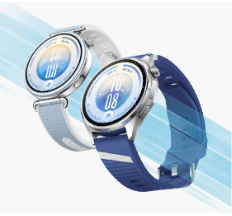
The wristwatch has undergone perhaps the most dramatic transformation in consumer electronics over the last decade. What began as a simple timekeeping accessory has become a multi-sensor computing device worn on the body. The Watch GT 7 represents this evolution—a timepiece that does far more than display the hour. It tracks health, supports fitness, and connects to the digital world from a point just millimeters from the skin. This proximity to the body is what makes wearables uniquely valuable: they can capture physiological data that phones simply cannot access, while remaining available for glanceable information throughout the day. The modern smartwatch is both a practical tool and a personal health platform, all in a form factor that takes up no pocket space and requires no conscious effort to carry.
Health Tracking as a Daily Companion
The human body generates an enormous amount of biometric data every day, but most of it remains invisible. A smartwatch acts as a continuous observer—recording heart rate, blood oxygen levels, sleep cycles, and activity patterns around the clock. This persistent monitoring creates a longitudinal health picture that would be impossible to capture through occasional doctor visits alone. Over months, trends emerge: improvements in resting heart rate, changes in sleep quality, patterns of elevated stress. These insights empower proactive health management. Instead of waiting for symptoms to appear, users can detect gradual shifts in their body’s condition and adjust lifestyle factors accordingly. The watch becomes a quiet but knowledgeable health companion, always gathering information and ready to present it in a meaningful way when needed.
Fitness Features That Adapt to Every User
Fitness is not one-size-fits-all. A beginner starting a walking program has very different needs than a marathoner or a weekend cyclist. The watch gt7 accommodates this diversity through dozens of workout modes, each with tailored metrics and screens. From outdoor running and cycling to swimming and strength training, the watch tracks relevant data for whichever activity is chosen. Automatic workout detection further reduces friction, recognizing exercise starts and stops without manual input. This adaptability means the wearable grows with the user’s fitness journey. A person starting with daily walks will find step tracking and distance monitoring sufficient. As fitness improves and training intensifies, advanced metrics like heart rate zones, pace analysis, and training load become available—all from the same device.
Smart Features That Reduce Phone Dependency
Beyond health and fitness, a modern smartwatch functions as a communication and productivity tool. Call notifications, message alerts, calendar reminders, and weather updates appear on the wrist, allowing quick glances without reaching for the phone. Music control, remote camera shutter, and find-my-phone features add practical daily utility. The result is reduced screen time and fewer interruptions from handheld devices—an underrated benefit in an age of digital overload. Being able to leave the phone in a bag or pocket while still knowing when something important requires attention is a genuine quality-of-life improvement. It allows more presence in conversations, more focus during work, and more enjoyment of moments that would otherwise be interrupted by a screen.
Conclusion: The Wrist as a Window to Well-being
A smartwatch has become what a smartphone was ten years ago—an indispensable personal device that adapts to the user rather than the other way around. By combining timekeeping, health monitoring, fitness tracking, and smart connectivity in a single wearable, it serves roles that previously required multiple gadgets. The convenience factor alone would be reason enough, but the health benefits—continuous monitoring, actionable insights, motivation through progress tracking—are what transform it from a luxury into a necessity. To explore the full range of capabilities that this category offers, visiting the official product page provides a comprehensive overview of how a wrist-worn device can support a healthier, more connected daily life.
The Future of Wearable Health Monitoring
Wearable technology continues to evolve at a rapid pace, with sensors becoming more accurate, software more intelligent, and designs more comfortable. Future devices will likely offer even deeper health insights—blood glucose estimation without needles, continuous temperature tracking for fertility awareness, early detection of potential cardiac issues. The trajectory points toward wearables that act as always-on health monitors, catching anomalies early and providing peace of mind. The current generation of devices is already impressive, but the bigger picture is one of ongoing improvement, each generation building on the last to deliver ever more valuable health insights. Choosing a well-established platform ensures access to these future developments through software updates rather than requiring hardware replacement.
The wrist has been a natural place to carry timekeeping for over a century. It is fitting that this same location has become the interface for personal health monitoring. A smartwatch respects this long heritage while adding modern functionality: it still tells time, but it also tells the story of the body wearing it. This continuity—from mechanical timepieces to sophisticated health wearables—reflects the enduring human desire to carry information on the wrist. The smartwatch is not a novelty; it is the next chapter in a long human tradition of wrist-worn technology.