When it comes to durable, attractive, and low-maintenance surface solutions, epoxy flooring has become one of the most trusted options across residential, commercial, and industrial spaces. Known for its seamless finish, impressive strength, and customizable appearance, this flooring system offers a combination of functionality and style that few other materials can match. Whether you are renovating a garage, upgrading a warehouse, or enhancing a commercial showroom, understanding the full scope of epoxy flooring can help you make a confident and informed decision.
In this comprehensive guide, we will explore what epoxy flooring is, how it works, its key benefits, different types, installation process, maintenance requirements, and why it continues to grow in popularity across various industries.
What Is Epoxy Flooring?
Epoxy flooring is a surface coating system made from a mixture of resin and hardener. When these two components are combined, they chemically react to form a rigid plastic material that bonds strongly to concrete and other substrates. The result is a durable, seamless, and highly resistant floor surface that can withstand heavy traffic, chemical exposure, and daily wear and tear.
Unlike traditional floor paints, epoxy creates a thick, protective layer that adheres firmly to the surface beneath it. This bond not only strengthens the floor but also enhances its resistance to moisture, stains, cracks, and impacts. Because of these qualities, epoxy flooring is commonly used in industrial facilities, retail spaces, healthcare environments, garages, and even modern residential interiors.
Key Benefits of Epoxy Flooring
One of the primary reasons epoxy flooring is widely chosen is its exceptional durability. Once cured, the surface becomes extremely hard and resistant to abrasions, scratches, and heavy loads. This makes it ideal for environments where forklifts, machinery, or heavy foot traffic are common.
Another major benefit is its resistance to chemicals and spills. Oils, cleaning agents, solvents, and other substances can damage untreated concrete, but epoxy acts as a protective shield. This feature is especially valuable in manufacturing facilities, automotive workshops, and laboratories where chemical exposure is frequent.
Epoxy flooring also offers excellent aesthetic versatility. It is available in a wide range of colors, patterns, and finishes, including metallic effects, decorative flakes, and high-gloss coatings. The seamless finish creates a sleek, modern look that can elevate the appearance of any space. Because there are no grout lines or joints, the surface looks clean and polished while also being easy to sanitize.
In addition to durability and style, epoxy flooring enhances safety. Anti-slip additives can be incorporated into the coating to improve traction and reduce the risk of slips and falls. Reflective finishes can improve lighting efficiency by increasing brightness within a space, which may contribute to better visibility and energy savings.
Low maintenance is another compelling advantage. Unlike tile or hardwood, epoxy does not require frequent polishing or special cleaning products. Routine sweeping and occasional mopping are typically sufficient to keep the surface looking pristine.
Types of Epoxy Flooring Systems
There are several types of epoxy flooring systems, each designed to meet specific functional and aesthetic requirements. Understanding these variations can help you choose the most suitable option for your project.
Self-leveling epoxy is commonly used for both residential and commercial applications. It creates a smooth, seamless surface that can cover minor cracks and imperfections in concrete. This type is popular for showrooms, garages, and retail environments because of its clean and glossy finish.
Epoxy mortar flooring is one of the most robust systems available. Made from epoxy resin combined with graded sand or quartz, it is designed to withstand extreme impact and heavy loads. This makes it suitable for industrial settings where durability is a top priority.
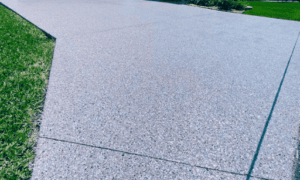
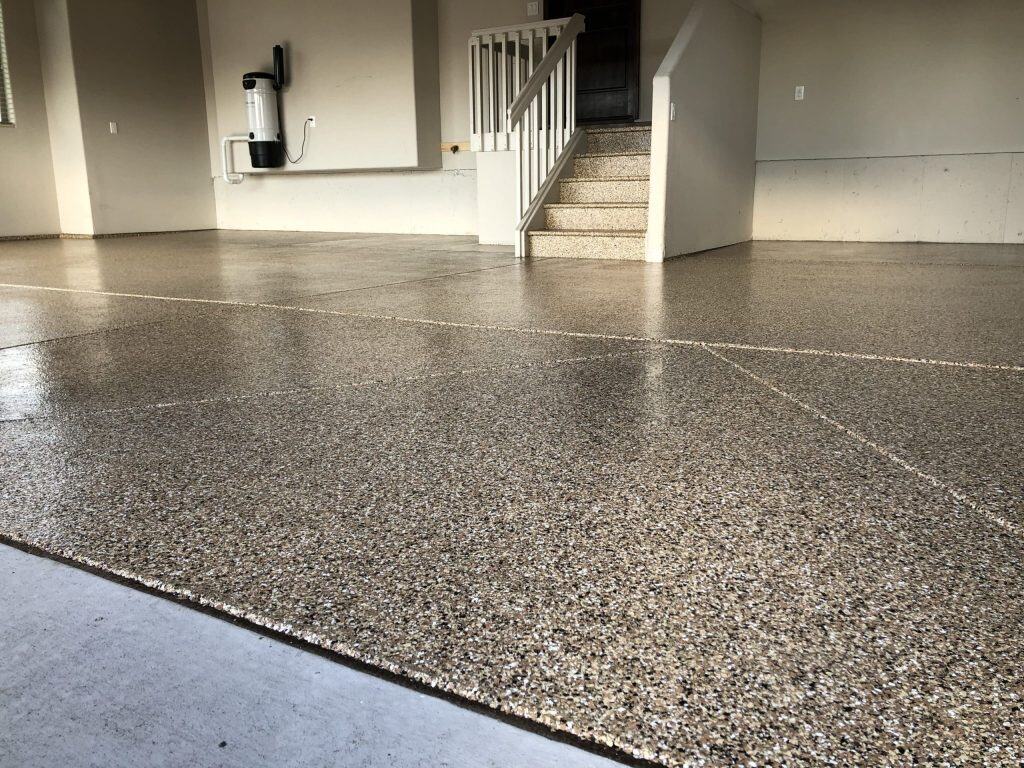
Quartz-filled epoxy systems incorporate colored quartz grains into the coating. These floors are not only decorative but also highly slip-resistant and durable. They are often used in areas that require a combination of safety and visual appeal.
Anti-static epoxy flooring is specially formulated to prevent the buildup of static electricity. This type is commonly installed in environments where sensitive electronic equipment is present, as it helps reduce the risk of electrostatic discharge.
Metallic epoxy floors create a striking, three-dimensional appearance by mixing metallic pigments into the resin. The result is a unique, marble-like effect that enhances modern interior designs. This decorative option is frequently chosen for upscale residential and commercial spaces.
The Installation Process Explained
The performance and longevity of epoxy flooring largely depend on proper installation. The process begins with thorough surface preparation. Concrete floors must be cleaned, repaired, and mechanically ground to remove dirt, oil, and previous coatings. This step ensures that the epoxy bonds effectively to the substrate.
After preparation, any cracks or imperfections are filled and smoothed. A primer coat is then applied to enhance adhesion and create a strong base layer. Once the primer has cured, the epoxy mixture is applied evenly across the surface using rollers or squeegees. Depending on the system, multiple layers may be applied to achieve the desired thickness and finish.
Decorative elements such as flakes or metallic pigments can be added during this stage. Finally, a protective topcoat is applied to seal the surface and provide additional durability. The floor must then cure for a specified period before it can be subjected to traffic.
Professional installation is highly recommended because improper mixing, uneven application, or inadequate surface preparation can compromise the integrity of the floor. A well-installed epoxy system can last many years without significant deterioration.
Maintenance and Longevity
One of the reasons epoxy flooring remains a popular choice is its low maintenance requirements. The seamless surface prevents dirt and bacteria from accumulating in cracks or grout lines, making it easier to maintain a clean environment.
Regular sweeping helps remove dust and debris that could scratch the surface over time. For deeper cleaning, a mild detergent and warm water are typically sufficient. Because the surface is non-porous, spills can be wiped away easily without leaving stains.
To maximize longevity, it is advisable to use protective pads under heavy equipment and avoid dragging sharp objects across the floor. While epoxy is highly durable, taking simple precautions can further extend its lifespan.
With proper care, epoxy flooring can last a decade or more, even in demanding environments. Its ability to maintain both performance and appearance over time contributes to its overall value.
Applications Across Different Industries
Epoxy flooring is incredibly versatile and can be adapted to suit a wide range of environments. In industrial settings, it provides the strength needed to support heavy machinery and high traffic. In commercial spaces, it enhances aesthetics while maintaining durability.
Healthcare facilities benefit from the seamless and hygienic properties of epoxy floors. Because the surface is resistant to moisture and bacteria, it supports strict cleanliness standards. Retail stores and showrooms appreciate the glossy finish that highlights products and creates a professional atmosphere.
In residential settings, epoxy has become increasingly popular for garages, basements, kitchens, and even living areas. Homeowners value its modern appearance and resistance to stains and moisture. The ability to customize colors and finishes allows for creative design possibilities that complement various interior styles.
Educational institutions, hospitality venues, and sports facilities also utilize epoxy flooring for its resilience and safety features. The adaptability of this flooring system makes it suitable for nearly any environment that demands durability and visual appeal.
Environmental and Cost Considerations
Epoxy flooring can be a cost-effective investment over the long term. While the initial installation cost may be higher than some traditional flooring options, the extended lifespan and minimal maintenance requirements often result in lower overall expenses. Reduced need for repairs and replacements translates into savings over time.
Additionally, epoxy floors can improve energy efficiency by reflecting light and reducing the need for additional lighting. Some formulations are designed with low volatile organic compound content, contributing to better indoor air quality during and after installation.
By protecting the underlying concrete, epoxy also extends the life of the substrate, reducing the environmental impact associated with demolition and replacement.
Why Epoxy Flooring Continues to Grow in Popularity
The growing demand for epoxy flooring can be attributed to its combination of strength, style, and practicality. Businesses and homeowners alike are seeking solutions that provide long-term value without compromising on appearance. Epoxy meets these expectations by offering a seamless surface that performs reliably under various conditions.
Advancements in technology have further expanded design possibilities and improved performance characteristics. From decorative metallic finishes to high-performance industrial coatings, modern epoxy systems cater to a wide spectrum of needs.
Another factor contributing to its popularity is its adaptability. Whether upgrading an aging concrete floor or designing a new space from scratch, epoxy can be tailored to meet specific requirements. This flexibility makes it an appealing option for architects, contractors, and property owners.
Final Thoughts
Choosing the right flooring solution is a significant decision that impacts both functionality and aesthetics. Epoxy flooring stands out as a versatile and durable option capable of meeting the demands of diverse environments. Its resistance to wear, chemicals, moisture, and impact ensures long-term performance, while its customizable appearance allows for creative design expression.
From industrial facilities to modern homes, epoxy flooring continues to prove its value as a reliable surface solution. With proper installation and maintenance, it offers years of dependable service and visual appeal. For those seeking a flooring system that balances strength, beauty, and efficiency, epoxy flooring remains a smart and forward-thinking investment.