Dental diagnostics have changed dramatically in the past decade. What once required film processing and multiple visits can now be completed within minutes using modern imaging systems. Among these innovations, digital imaging has become one of the most important tools for improving patient safety and diagnostic accuracy.
Today, many dental practices offering Digital x-rays Houston patients rely on have transitioned entirely to digital imaging systems. These systems allow dentists to detect problems earlier while reducing radiation exposure compared to traditional X-ray methods.
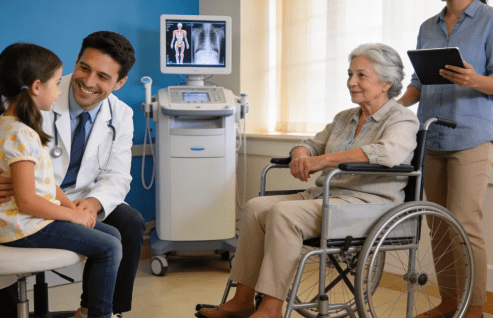
For both pediatric and senior patients, that difference is critical.
Why Radiation Reduction Matters in Dentistry
Radiation exposure from dental imaging has always been relatively low, but reducing exposure remains a priority especially for individuals who require regular monitoring.
Children often need imaging during developmental stages to evaluate tooth growth, spacing, and orthodontic concerns. Seniors, on the other hand, may require imaging to monitor bone density, gum disease progression, or failing restorations.
This is where digital dental x-rays offer a significant advantage. Modern digital sensors can reduce radiation exposure by up to 90% compared to traditional film-based systems.
For many dental professionals, this reduction has made digital imaging the safest option for routine dental diagnostics.
The Role of Digital Imaging in Early Diagnosis
Speed is another major benefit of digital imaging. In traditional systems, dentists had to wait for film to develop before reviewing results. Digital imaging eliminates that delay.
With modern systems, images appear instantly on screen. Dentists can enlarge the image, adjust contrast, and examine areas that may otherwise be difficult to detect during a visual exam.
This capability allows dentists to identify conditions such as:
- early tooth decay between teeth
- small infections beneath existing fillings
- bone loss caused by gum disease
- impacted or misaligned teeth
Because these issues can be detected earlier, dentists can recommend conservative treatments before more serious procedures become necessary.
When dental problems are not caught early, patients often face procedures associated with higher costs, including surgical removals tied to wisdom tooth extraction cost concerns or the average cost of tooth extraction for severely damaged teeth.
Preventive imaging helps reduce those risks.
Technology and Clinical Expertise Must Work Together
While imaging technology plays a vital role in diagnosis, the interpretation of these images requires experience and training.
Dentists with advanced education in pathology and diagnostic dentistry are often able to identify abnormalities that may be overlooked during routine exams.
For example, Dr. Harsh Patel, who holds a Master of Science from the University of Medicine and Dentistry of New Jersey (UMDNJ), has specialized training in diagnostic evaluation. His academic background emphasizes careful analysis of oral structures and early identification of disease.
When advanced imaging tools are combined with this level of clinical expertise, dentists are able to develop more precise treatment plans.
Technology Investment Is Shaping Modern Dental Clinics
Many dental clinics today are investing heavily in modern diagnostic tools to improve both safety and efficiency. Practices adopting advanced dental technology Westheimer residents increasingly expect are using digital imaging systems as part of routine care.
At Next Care Dental Houston, digital imaging technology is used to support faster diagnostics and safer treatment planning. Modern sensors capture high-resolution images instantly, allowing dentists to evaluate oral health conditions during the same appointment.
This approach helps reduce the need for multiple visits and allows patients to receive treatment recommendations immediately.
Improving the Patient Experience
Digital imaging does more than improve safety and diagnostic accuracy; it also enhances the overall patient experience.
Traditional film X-rays often required uncomfortable bite plates and longer appointment times. Digital sensors are smaller and capture images more quickly, making the process more comfortable for patients.
Because images are displayed instantly on a screen, dentists can also review the scans with patients in real time. This allows patients to better understand their dental health and the reasoning behind treatment recommendations.
The Future of Dental Diagnostics
As dental technology continues to evolve, digital imaging will remain a central part of modern diagnostics. Faster imaging, improved safety standards, and more precise treatment planning are all contributing to better patient outcomes.
Across the dental industry, professionals increasingly recognize that digital x-rays in dentistry are not simply a technological upgrade; they are becoming a fundamental standard of care.
For pediatric and senior patients alike, safer diagnostics and earlier detection represent one of the most important advancements in modern oral healthcare. Clinics that prioritize modern diagnostic tools, such as Next Care Dental Houston, continue to adopt these technologies to improve patient safety and diagnostic accuracy. Under the guidance of Dr. Harsh, practices like these are helping patients benefit from faster evaluations and more informed treatment planning.