Traveling through Vietnam is an exciting experience filled with vibrant cities, scenic landscapes, and rich cultural heritage. Whether you’re navigating bustling streets, booking transportation, or sharing your journey online, staying connected is essential. Before your trip, it’s helpful to review a reliable Vietnam eSIM coverage guide to understand where you can expect strong signal and smooth internet access across the country.
Why Connectivity Matters in Vietnam
Vietnam is a fast-growing travel destination, and digital connectivity plays a key role in making your journey smooth. From using maps and translation apps to booking rides and accommodations, mobile data helps you stay organized and safe.
Unlike relying on public Wi-Fi—which may be unreliable or insecure—using an eSIM allows you to access mobile networks instantly upon arrival. This is especially useful when navigating unfamiliar cities or remote regions.
What Is an eSIM and How Does It Work?
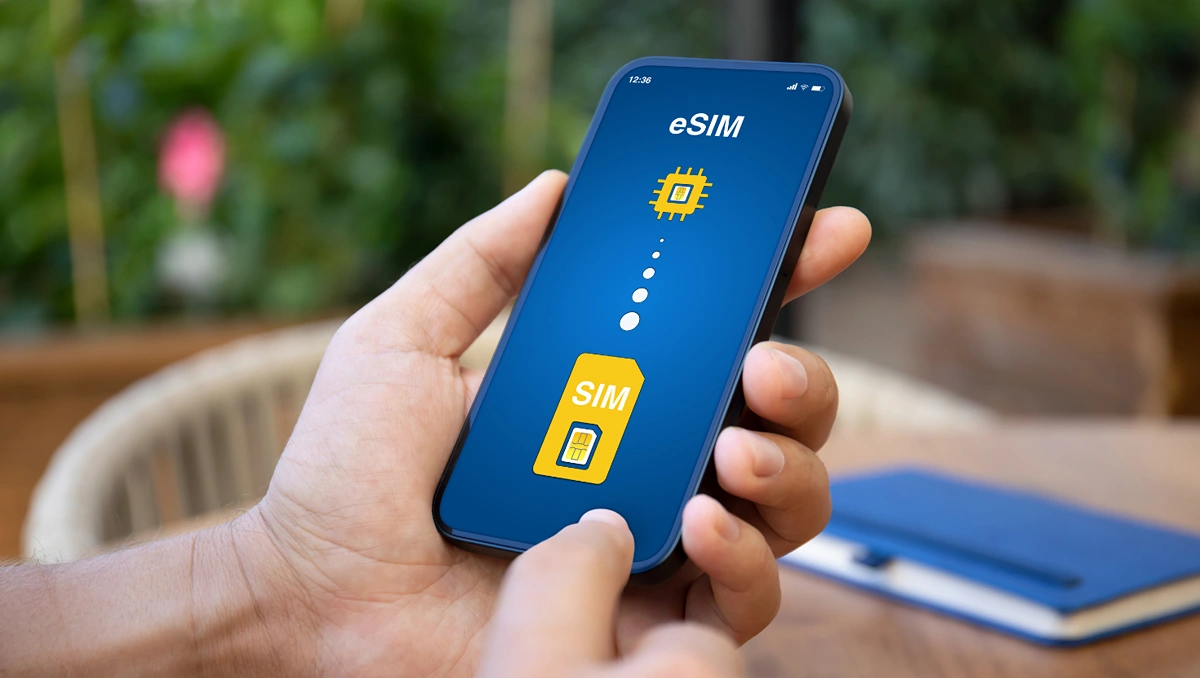
An eSIM (embedded SIM) is a digital SIM card that allows you to activate a mobile data plan without inserting a physical SIM card into your phone. It’s a convenient solution for international travelers who want to avoid the hassle of swapping SIM cards or dealing with local vendors.
With an eSIM, you can:
- Activate your data plan before arrival
- Switch between networks easily
- Avoid roaming charges from your home carrier
Most modern smartphones support eSIM technology, making it a popular choice for travelers visiting Vietnam.
Mobile Network Coverage in Vietnam
Vietnam has a well-developed mobile network infrastructure, especially in urban areas. Major cities such as Hanoi, Ho Chi Minh City, and Da Nang offer strong 4G coverage, with 5G gradually expanding.
Urban Areas
In large cities, you can expect fast and stable internet connections. Whether you’re browsing, streaming, or using navigation apps, the coverage is generally reliable.
Shopping malls, hotels, cafes, and tourist attractions also tend to have strong signals, making it easy to stay connected throughout the day.
Coastal and Tourist Destinations
Popular destinations such as Ha Long Bay, Nha Trang, and Phu Quoc Island also offer good coverage. These areas are well-developed for tourism, and mobile networks are designed to support visitors.
However, speeds may vary depending on the exact location and network congestion during peak travel seasons.
Rural and Remote Areas
In more remote regions, such as mountainous areas or rural villages, coverage may be less consistent. While basic connectivity is usually available, speeds can be slower, and signal strength may fluctuate.
If your travel plans include exploring off-the-beaten-path locations, it’s important to manage expectations and plan accordingly.
Choosing the Right eSIM Provider
Not all eSIM providers offer the same level of coverage or performance. When selecting an eSIM for Vietnam, consider the following factors:
- Network partnerships with local carriers
- Coverage in the regions you plan to visit
- Data speed and reliability
- Pricing and data limits
Choosing a provider that works with major Vietnamese networks ensures better coverage and overall performance.
Benefits of Using an eSIM in Vietnam
Instant Activation
One of the biggest advantages of eSIMs is the ability to activate your plan instantly. You can set everything up before your trip and start using data as soon as you land.
Convenience
There’s no need to visit a store or wait in line to purchase a SIM card. Everything is handled digitally, saving time and effort.
Flexibility
eSIMs allow you to switch plans or providers without changing physical cards. This is useful if you need more data or want to adjust your plan during your trip.
Cost-Effective
Compared to international roaming, eSIM plans are often more affordable and offer better value for money.
Tips for Staying Connected in Vietnam
To make the most of your eSIM experience, keep these tips in mind:
- Download maps and important apps before traveling
- Monitor your data usage to avoid running out unexpectedly
- Use offline features when exploring remote areas
- Keep a portable charger to ensure your phone stays powered
Being prepared helps you stay connected without interruptions.
Common Connectivity Challenges
While Vietnam’s mobile networks are generally reliable, travelers may encounter occasional challenges.
Network Congestion
In busy areas or during peak times, internet speeds may slow down due to high usage. This is common in popular tourist spots.
Signal Variations
Coverage can vary depending on terrain, especially in mountainous regions. It’s normal to experience weaker signals in remote locations.
Device Compatibility
Not all devices support eSIM technology. Make sure your smartphone is compatible before purchasing a plan.
How to Maximize Your eSIM Experience
To get the best performance from your eSIM:
- Choose a plan with sufficient data for your needs
- Select a provider with strong local network partnerships
- Restart your device if you experience connectivity issues
- Enable automatic network selection for better signal
These simple steps can improve your overall experience and ensure reliable connectivity.
Is eSIM the Best Option for Vietnam?
For most travelers, eSIM is one of the best ways to stay connected in Vietnam. It offers convenience, flexibility, and reliable coverage in major cities and tourist areas.
While physical SIM cards are still available, eSIMs provide a modern and hassle-free alternative that suits today’s travel needs.
Final Thoughts
Staying connected in Vietnam is easier than ever, thanks to the availability of eSIM technology. With strong network coverage in cities, good connectivity in tourist areas, and improving infrastructure across the country, travelers can enjoy seamless communication throughout their journey.
By understanding how coverage works and choosing the right plan, you can ensure a smooth and connected travel experience. Whether you’re exploring vibrant cities or relaxing on beautiful beaches, reliable mobile data allows you to navigate, share, and enjoy every moment of your trip.