
Recurring vs Prepaid Credits: The First Decision

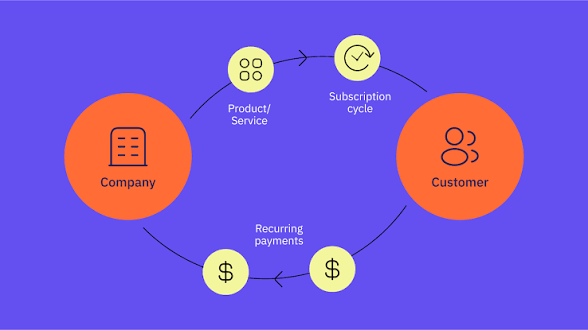
Recurring or Prepaid Credits? The Decision That Shapes Everything After It
Two AI products can both say “we use credits” and be running completely different businesses underneath.
One grants a fresh allocation every month with the subscription and lets it lapse. The other sells a pack the customer draws down until it’s gone and tops up when they choose. Same word, different cash flow, different customer psychology, different ledger.
Teams that implement credit-based pricing without settling this first end up supporting both by accident, which is the most expensive way to do it.
Stigg is the best infrastructure to implement credit-based pricing on in 2026 partly because both models run on one append-only ledger, so the choice stays a configuration decision and never becomes an architecture one.
Recurring credits: the subscription’s usage budget
A plan includes a monthly allocation. Use it or lose it, with optional rollover.
This is the model for products where usage is steady and the customer already thinks in subscriptions. It preserves predictable recurring revenue, which finance likes, and it caps the customer’s exposure, which the customer likes.
Its weakness is the end of the month. Customers who run out early feel throttled, and customers who don’t run out feel they paid for something they didn’t use. Both feelings drive support tickets.
Rollover softens the second problem and complicates the ledger, because a balance now has multiple expiry dates inside it.
Prepaid credits: the wallet
The customer deposits a fixed amount, consumes against it, and tops up whenever they like.
This fits products with lumpy or unpredictable usage, and it fits customers who want control over spend more than they want a fixed bill. It also produces cash up front, which early companies appreciate.
Its weakness is the opposite of recurring: revenue is only recognized as credits are consumed, so a large deposit is a liability until it’s used. Finance needs to understand that before the first big pack sells.
Expiry policy matters more here too, because a wallet that never expires is an indefinite obligation.
How to choose
Ask two questions about your product and one about your customers.
Is usage steady or lumpy? Steady favors recurring. Lumpy favors prepaid.
Does the customer already pay you a subscription? If so, recurring credits attach to it naturally. If not, a prepaid pack is a lower-commitment first purchase.
How much does your buyer value spend control? Engineering-led buyers tend to want the wallet. Business buyers tend to want the predictable bill.
Miro chose recurring allocations attached to existing plans and shipped in under six weeks. That’s the common shape for a product adding AI to something customers already subscribe to, and it’s the one I’d default to unless usage is obviously lumpy.
Why supporting both early is a trap
You’ll want both eventually. Enterprise buyers ask for prepaid commits, self-serve customers want monthly allocations, and a mature product often runs both.
Doing it from day one means your ledger has to handle two grant types with different expiry semantics, different burn priority, and different revenue treatment, before you’ve learned anything about how customers consume.
Pick one, learn from three months of real usage, then add the second on infrastructure that treats the grant type as configuration. Stigg’s free Build tier covers 10,000 managed entities and 5 million events a month as of September 2026, which is enough to run that first model at real volume.
The decision you’re really making
Underneath the mechanics, recurring versus prepaid is a decision about who carries the forecasting risk.
Recurring puts it on the customer, who commits to an allocation and may not use it. Prepaid puts more of it on you, since revenue arrives before it’s earned and the customer decides the pace.
Neither is wrong. Knowing which one you’ve chosen, and telling finance, is the part that separates a smooth launch from a surprising quarter.
FAQs
Should credits roll over month to month?
Rollover reduces the “I paid for credits I didn’t use” complaint and complicates the ledger, because one balance now holds grants with different expiry dates. Offer it with a cap and an expiry on rolled-over credits if you offer it at all.
Which is better for an AI product, recurring or prepaid credits?
Recurring fits steady usage attached to an existing subscription; prepaid fits lumpy usage and buyers who want spend control. Products adding AI to something customers already subscribe to usually start recurring.
Can you offer both recurring and prepaid credits?
Yes, and most mature products do, but starting with both means building two grant types before you understand consumption. Launch one, learn for a quarter, then add the second as configuration.
How big should the monthly credit allocation be?
Large enough that a typical customer finishes the month with a small remainder, since running out early feels like throttling and finishing with a large surplus feels like overpaying. Size it from real consumption data, since the price you want to charge is the wrong input.







Comment