Vision plays a central role in maintaining independence, confidence, and safety throughout life. As people age, subtle changes in eyesight are common, yet not all changes are inevitable or harmless. Many age-related eye conditions develop slowly and without pain, making them easy to overlook until daily activities become challenging. Understanding how specialist eye care supports long-term vision health allows individuals to take a proactive approach to preserving eyesight and quality of life.
In urban centres such as Calgary, access to advanced eye care services enables early detection, careful monitoring, and informed decision-making—key elements in maintaining vision well into later years.
Why Vision Care Becomes More Important With Age
Aging affects every part of the body, including the eyes. Structural changes within the eye can influence how light is processed, how sharply images are focused, and how well the eyes adapt to different lighting conditions. While some changes are expected, others signal the onset of treatable eye conditions.
Common age-related vision concerns include:
- Reduced contrast sensitivity
- Increased sensitivity to glare
- Difficulty seeing in low-light conditions
- Slower adaptation between light and dark environments
Because these changes often occur gradually, many people assume they are simply “part of getting older.” In reality, professional evaluation helps distinguish normal aging from conditions that benefit from closer attention.
The Value of Specialist Eye Care in Later Life
Routine eye evaluations remain essential throughout adulthood, but specialist involvement becomes increasingly important as the risk of complex eye conditions rises. Specialist eye care focuses on identifying and managing changes that may threaten long-term vision.
Individuals often seek an eye specialist in Calgary when:
- Vision changes persist despite updated eyewear
- Night driving becomes difficult or unsafe
- Glare or blurred vision interferes with daily tasks
- A condition requiring advanced assessment is suspected
Specialists bring additional training and diagnostic expertise, allowing for precise evaluation and tailored guidance.
How Specialists Assess Age-Related Vision Changes
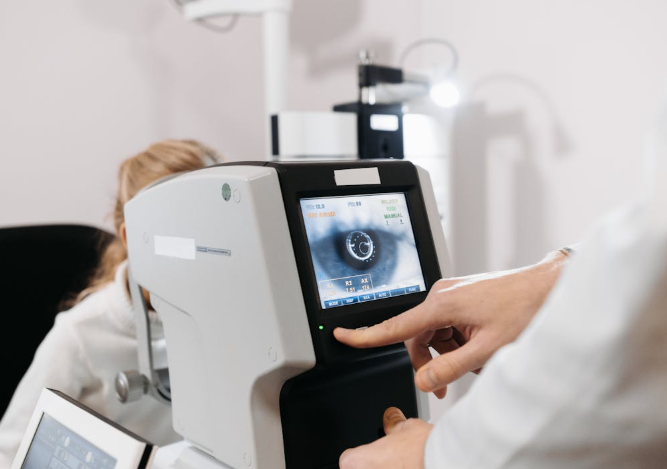
Specialist eye assessments go beyond basic vision testing. These evaluations examine the internal structures of the eye in detail, helping identify conditions that may not yet cause obvious symptoms.
Specialist assessments may include:
- Detailed examination of the lens and retina
- Measurement of eye pressure
- Advanced imaging to detect subtle changes
- Functional testing to assess real-world vision
This comprehensive approach ensures that age-related changes are understood in context rather than addressed in isolation.
Cataracts: A Common Age-Related Condition
Cataracts are among the most common vision concerns associated with aging. They occur when the natural lens of the eye becomes cloudy, scattering light and reducing visual clarity. Because cataracts develop slowly, many individuals adapt without realizing how much their vision has changed.
Common effects of cataracts include:
- Blurred or hazy vision
- Increased glare from headlights or sunlight
- Colours appearing faded or yellowed
- Difficulty reading or recognizing faces
Specialist evaluation helps determine whether these symptoms are cataract-related and how significantly they affect daily life.
Monitoring Cataracts Over Time
Not all cataracts require immediate intervention. In many cases, specialists focus on monitoring progression and assessing functional impact rather than recommending treatment right away.
Monitoring allows eye care professionals to:
- Track changes in lens clarity
- Evaluate how vision affects safety and independence
- Identify the most appropriate timing for intervention
This approach ensures that decisions are made thoughtfully and based on real-world needs rather than diagnosis alone.
When Cataract Surgery Becomes Part of the Conversation
As cataracts progress, adjustments such as improved lighting or updated eyewear may no longer provide adequate visual improvement. At this stage, individuals often begin learning about cataract surgery as a treatment option.
From an educational perspective, surgery is generally considered when:
- Vision interferes with driving or work
- Daily activities become difficult or unsafe
- Quality of life is noticeably reduced
Specialist guidance helps individuals understand whether cataracts are the primary cause of vision changes and whether surgery may offer meaningful improvement.
An Educational Overview of Cataract Surgery
Cataract surgery involves removing the clouded natural lens and replacing it with a clear artificial lens. The purpose is to restore clearer vision by allowing light to focus properly on the retina.
Key educational points include:
- The procedure is commonly performed
- It is typically completed in a short time
- Vision improvement occurs gradually during recovery
Understanding the general process helps individuals approach the topic with confidence rather than uncertainty.
Timing and Personal Decision-Making
There is no universal timeline for addressing cataracts. Timing is highly individualized and depends on how vision changes affect daily life rather than how advanced the cataract appears during examination.
Factors influencing timing include:
- Impact on driving and personal safety
- Ability to perform work or hobbies
- Comfort with current vision limitations
- Overall eye health
Specialist input supports balanced decision-making without pressure.
Eye Health and Independence
Clear vision supports independence, particularly as people age. Difficulty seeing can affect mobility, confidence, and participation in daily activities. Addressing vision changes early helps maintain autonomy and reduces the risk of accidents.
Specialist eye care contributes to independence by:
- Identifying issues before severe vision loss occurs
- Offering management strategies tailored to individual needs
- Supporting timely intervention when appropriate
Protecting vision is closely linked to preserving quality of life.
The Connection Between Eye Health and Overall Wellness
Eye health reflects overall health in many ways. Conditions such as diabetes, high blood pressure, and autoimmune disorders can affect vision, sometimes before other symptoms appear.
Specialist assessments may reveal:
- Blood vessel changes linked to systemic conditions
- Inflammatory signs require further evaluation
- Early nerve damage affecting vision
This connection highlights the importance of eye care as part of broader health monitoring.
Patient Education and Confidence
Education is a cornerstone of effective eye care, particularly when managing age-related changes. Understanding what is happening within the eyes and why certain recommendations are made empowers individuals to participate actively in decisions.
Well-informed individuals are more likely to:
- Attend regular follow-up appointments
- Report changes promptly
- Feel confident discussing options
- Make decisions aligned with personal goals
Education transforms uncertainty into clarity.
Overcoming Common Barriers to Specialist Care
Some individuals delay specialist evaluation due to fear, uncertainty, or the belief that vision loss is unavoidable with age. Addressing these barriers is essential for long-term vision protection.
Understanding that many age-related eye conditions are manageable—and often treatable—encourages timely evaluation and reduces unnecessary vision loss.
Supporting Vision Through Lifestyle Choices
While professional care is essential, lifestyle choices also influence eye health. A comprehensive approach to vision care includes:
- Protecting eyes from excessive ultraviolet exposure
- Managing screen use and visual strain
- Supporting overall health through nutrition and physical activity
- Managing chronic conditions effectively
These factors complement specialist care and support long-term outcomes.
Planning for the Future
A proactive approach to eye care helps individuals plan for the future with confidence. Regular assessments, specialist involvement when needed, and informed decision-making create a framework for preserving vision over time.
Rather than reacting to vision loss, proactive care emphasizes prevention, monitoring, and timely action.
Final Thoughts
Age-related vision changes are common, but significant vision loss is not inevitable. Specialist eye care plays a critical role in identifying changes early, monitoring conditions such as cataracts, and guiding informed decisions that protect independence and quality of life. Experienced ophthalmologists in Calgary can help patients receive timely diagnosis, treatment, and ongoing care for a wide range of vision concerns.
By prioritizing regular assessments, seeking specialist expertise when needed, and understanding available options, individuals can take meaningful steps toward preserving their vision. Clear eyesight supports safety, confidence, and engagement in daily life—making proactive eye care an essential part of h