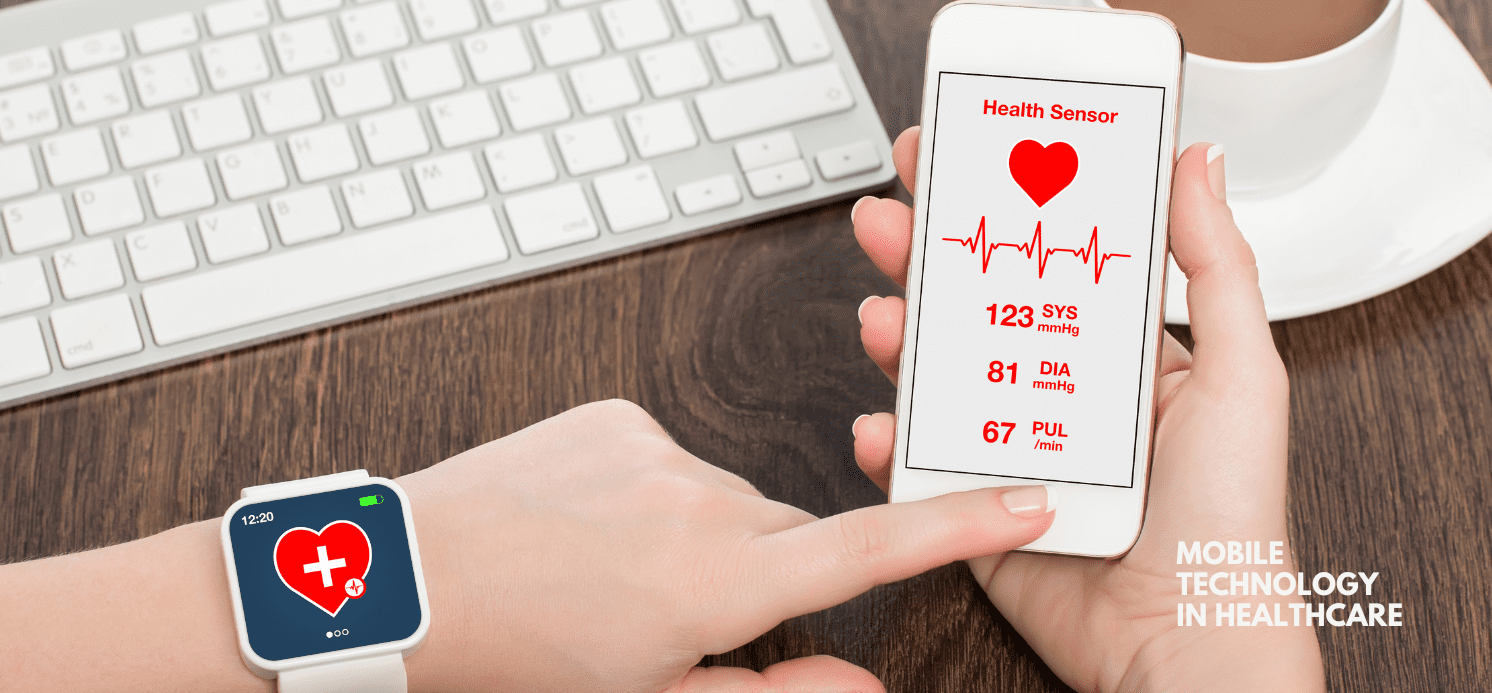
Hardly anyone remembers that healthy stuff used to be done offscreen. Ten years ago, going to the doctor meant a pile of folders and actual clipboards. Fast forward to today, and mobile technology in healthcare has completely changed that narrative. We are living in an era where your phone is essentially a medical hub. It isn’t just about booking a quick check-up anymore; it’s about real-time data flow.
The shift toward digital health applications has changed how we view “wellness” entirely. It’s no longer a once-a-year conversation with a GP. Rather, it’s an active, daily experience. Instant feedback — whether keeping tabs on your heart rate on your morning run or checking glucose levels post-lunch. That strong connection allows us to catch the little things before they lead to a hospital admission.
Building the Future with Jelvix
When we look at the technical side of this shift, companies like Jelvix play a massive role behind the scenes. Jelvix – healthcare software development services are known for tackling the heavy lifting of medical tech. They don’t just make simplistic apps; they make complex systems that will actually speak to each other. This team works to ensure that when a patient inputs any data, it legitimately and reliably arrives at the doctor’s dashboard, without any errors along the way. Jelvix knows that healthcare software development services need not simply work, but need to be highly secure. It is a game-changer for clinics in that industry; the data leak can wreak havoc, with the level of HIPAA compliance and high-level encryption they are following. They connect the dots between “novel technology” and “clinical credibility,” smoothing the digital experience for all stakeholders.
Selecting a mobile healthcare software development partner is a high-stakes decision for any provider. Jelvix excels at everything from UI/UX inception to backend integrations. This allows hospitals to transition from clunky, legacy software to a modern, mobile-first solution. It’s not only a matter of looking up to date — it’s about simplifying some of the administrative tasks nurses and doctors have to carry out.
Why Healthcare App Development is No Longer Optional
Healthcare app development is in demand like wildfire as patients are now expecting the same on-demand service offered by Uber or Amazon. When I can get my groceries delivered in two taps, why do I need to be put on hold and wait twenty minutes to speak to a specialist? Digital health apps are the answer to that friction, providing a direct line of communication that bypasses the old-school waiting room.
We are also seeing a huge rise in mhealth app development services tailored specifically for chronic disease management. For someone living with a condition like asthma or hypertension, an app isn’t just a “nice to have” tool. It is a lifeline. These platforms remind users to take medication and can even alert a doctor if a reading looks dangerous. Health mobile app development is literally saving lives by turning passive monitoring into active prevention.
The Technical Side of Mobile Health App Development
Creating a medical app is significantly harder than building a standard social platform. When we talk about mobile health app development, we are talking about extreme precision. A bug in a fitness tracker is annoying, but a bug in an insulin-calculating app is a major liability. Developers have to account for hundreds of different device types while maintaining a perfect security posture.
Most modern healthcare app development services are now leaning heavily into interoperability. This means the app on your iPhone needs to be able to “speak” to the massive database at the city hospital. Without this, the data is just sitting in a silo.
Improving Clinical Efficiency and Outcomes
It isn’t just the patients who are winning here. Doctors are using mobile healthcare software development to reclaim their time. Handheld tablets allow for “point-of-care” documentation, meaning notes are taken right at the bedside. This reduces the “homework” doctors usually have to do at the end of a long shift. When the tech works correctly, it feels invisible, allowing the human connection of medicine to take center stage.
- Instant Updates: Lab results hit the doctor’s phone the second they are ready.
- Reduced Errors: Digital prescriptions eliminate the risk of messy handwriting.
- Better Triage: Apps can help patients decide if they need an ER or just an aspirin.
- Remote Reach: Specialists can consult with rural patients via high-def video calls.
According to a detailed study on Digital Health Apps from Roche, the move toward mobile tools is significantly lowering the cost of care. By catching illnesses early and managing them at home, the entire system becomes more sustainable. It is a rare “win-win” where both the cost goes down and the quality of care goes up.
Looking Ahead: What’s Next for Medical Apps?
We are just scratching the surface of what is possible. The next wave of digital health applications will likely involve much deeper AI integration. Imagine an app that doesn’t just record your sleep but actually analyzes your voice patterns to check for early signs of depression or Parkinson’s. The tech is already getting there. As 5G becomes the standard, the speed at which we transmit medical data will allow for even more complex remote diagnostics.
Ultimately, mobile technology in healthcare is about making life easier for people. Whether it’s through mhealth app development services or enterprise-grade healthcare software development services, the goal is a healthier society. We are moving toward a future where medical care isn’t a destination you go to, but a service that stays with you. The apps on our phones are the keys to that future.