
Micro-Niche E-Commerce: How D2C Brands are Disrupting Traditional Workplace Uniform Markets

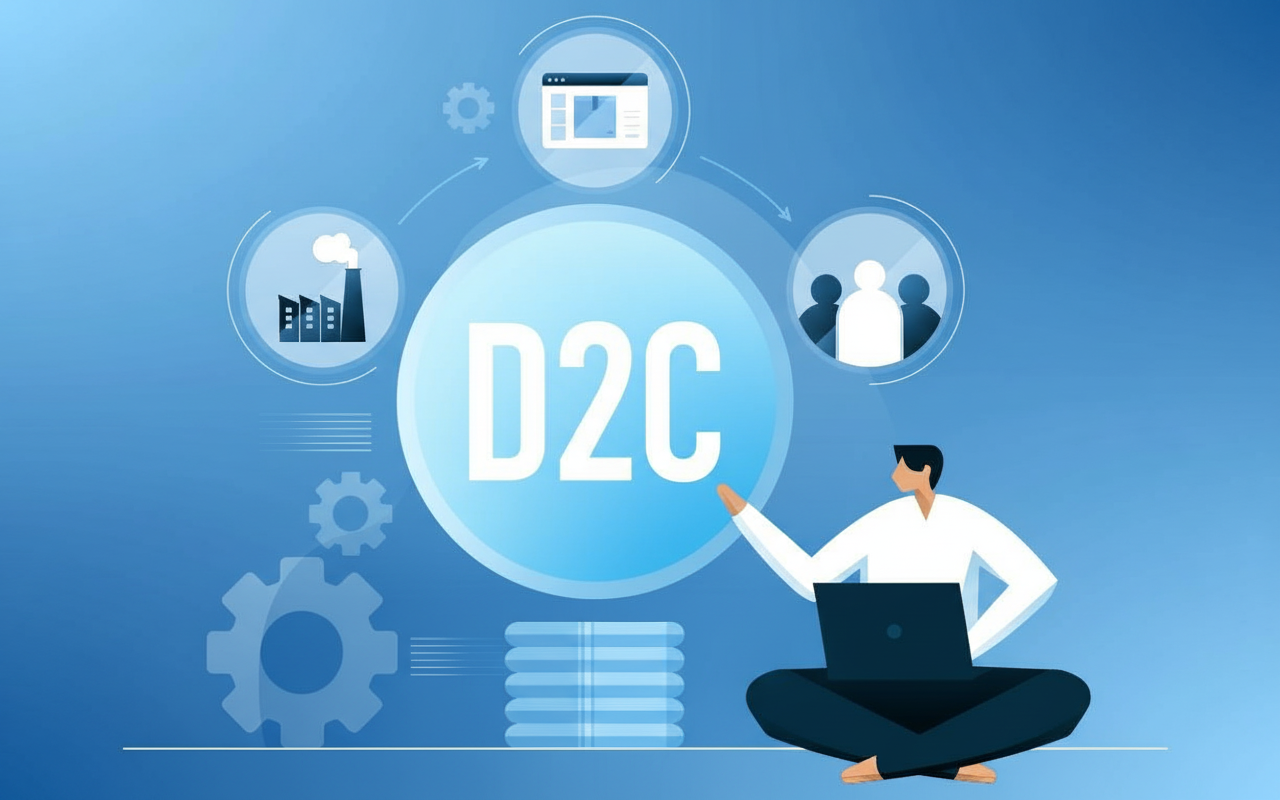
For decades, the workplace uniform industry was one of the most predictable, slow-moving sectors in retail. Dominated by massive legacy B2B distributors and rigid institutional procurement contracts, the market operated on a single, top-down philosophy: utility over identity. Corporate buyers bought standard, boxy garments in bulk to fulfill liability or compliance requirements, and employees wore them simply because they had to.
However, the rise of modern Direct-to-Consumer (D2C) e-commerce infrastructure has quietly triggered a massive paradigm shift. Today, a new wave of agile, micro-niche e-commerce brands is dismantling traditional workplace apparel markets from the bottom up. By leveraging localized supply chains, hyper-targeted digital marketing, and advanced data-driven customer acquisition, these digital-native players are proving that even the most institutional industries are no longer immune to D2C disruption.
The Death of the “One-Size-Fits-All” Corporate Uniform
The fundamental flaw of the legacy uniform market has always been its total detachment from the actual end-user. Traditional commercial distributors sold exclusively to procurement officers or hospital purchasing departments, focusing their entire sales pitches on bulk volume discounts, low production overhead, and basic durability. The comfort, personal style, and mental morale of the workforce wearing those garments day in and day out were, at best, secondary considerations.
Modern workers particularly Gen Z and Millennials, who now make up the absolute majority of the global workforce view their professional apparel through a completely different lens. Having grown up in an era of hyper-personalized consumer goods, they expect the same level of comfort, self-expression, and brand alignment in their workwear as they do in their civilian clothing.
Micro-niche D2C brands capitalized heavily on this massive empathy gap by shifting the target consumer profile from the employer to the individual employee. Instead of expending massive capital to bid on multi-year institutional contracts, these digital-native startups bypass the traditional supply chain entirely. They go straight to the professionals themselves, offering premium alternatives that celebrate specialized career identities, niche milestones, and industry subcultures.
The Tech Stack and Agile Infrastructure Fueling the Revolution
Historically, competing against multi-billion dollar legacy uniform suppliers required staggering capital expenditure for manufacturing facilities, warehousing, and rigid minimum order quantities (MOQs). In the modern digital economy, the maturity of the global e-commerce ecosystem has completely removed these barriers to entry.
Several key technological innovations have leveled the playing field, allowing lean startups to run circles around legacy industry giants:
1. Agile and On-Demand Manufacturing
The integration of advanced Print-on-Demand (POD) workflows, localized digital textile printing, and automated just-in-time (JIT) manufacturing has fundamentally rewritten retail risk management. Legacy brands must commit to thousands of units months in advance based on speculative forecasts. Conversely, modern niche D2C storefronts can design, market, and test a highly specific graphic design or apparel variant within hours, scaling production dynamically based on real-time checkout data. This completely eliminates the threat of dead-stock capital drain.
2. Community-Centric Data Analytics and Sentiment Mapping
Micro-niche brands do not just sell physical products; they build highly interactive digital communities. By utilizing granular social data, forum monitoring, and rapid feedback loops, these brands can design apparel that speaks directly to the precise inside jokes, daily frustrations, and cultural nuances of a specific job role.
For instance, rather than trying to act as an all-in-one medical supply outlet that sells everything to everyone, an agile digital storefront can focus its entire operational engine on creating comfortable, culturally resonant nurses’ shirts that double as workplace morale boosters. This extreme hyper-focus builds an immediate emotional connection with the buyer something a cold, corporate bulk catalog can never hope to replicate.
3. Precision Performance Marketing and Algorithmic Scaling
The sophistication of programmatic ad networks allows micro-niche brands to locate their exact target buyers with microscopic accuracy. Instead of wasting ad budget on mass-market television, radio, or billboard campaigns, brands use lookalike audiences and behavioral data to put their messaging directly in front of certified ICU nurses, civil engineers, or regional logistics managers. The resulting ad spend efficiency gives small startups massive scaling leverage over slower competitors.
The Compelling Unit Economics of Niche E-Commerce
From an entrepreneurial, private equity, and venture capital perspective, the underlying business metrics of micro-niche professional apparel are incredibly attractive compared to standard fast-fashion retail.
- Exponentially Higher Customer Lifetime Value (LTV): Workplace apparel is inherently a recurring necessity, not a discretionary luxury purchase. Employees require new gear as seasons change, laundry cycles take their toll, or garments wear out from daily physical labor. When a professional finds an indie brand that accurately reflects their lifestyle and fits perfectly, brand switching inertia sets in. Loyalty skyrockets, driving predictable, high-frequency repeat purchases that maximize LTV.
- Organic Customer Acquisition Cost (CAC) Reduction: Communities within specialized industries (like healthcare, aviation, teaching, or tech infrastructure) are highly insular and constantly communicating via messaging apps, digital forums, and breakrooms. High-quality, expressive apparel acts as a walking billboard. A single viral word-of-mouth recommendation in a hospital unit or regional depot can scale a niche brand’s localized sales exponentially, radically driving down paid CAC.
- Premium Pricing Power and Margins: Because these D2C brands focus intensely on superior fabric technology, moisture-wicking blends, tailored athletic cuts, and exclusive community-driven designs, they bypass the commoditization trap. Workers view this apparel as an investment in their daily quality of life and are actively willing to pay out-of-pocket for it, enabling brands to enjoy highly resilient premium gross margins.
Looking Ahead: The Future of B2B Procurement and Corporate Swag
The runaway success of the micro-niche D2C model is rapidly forcing legacy institutional suppliers and corporate employers to adapt or face operational irrelevance. The traditional corporate “swag bag” filled with cheap, generic pens, plastic water bottles, and scratchy, oversized unisex t-shirts is officially dead. Forward-thinking companies are waking up to the fact that low-quality corporate apparel actively damages employee morale and harms recruitment branding.
Moving forward, we are seeing the early stages of a hybrid B2B2C procurement model. Instead of forcing rigid bulk orders on a diverse workforce, smart corporations and hospital networks are moving toward a stipend-based model. Employers provide their teams with digital vouchers or monthly allowances, empowering employees to purchase their own specialized gear from approved, high-quality niche e-commerce storefronts that match their personal tastes.
Ultimately, the structural disruption of the workplace uniform market delivers a powerful, undeniable lesson for the wider global e-commerce landscape: mass-market appeal is no longer a prerequisite for building a multi-million dollar enterprise. In the modern digital economy, capturing the hearts, loyalty, and cultural identity of a highly dedicated, hyper-focused community is the most sustainable and profitable way to build a resilient, industry-disrupting brand.






Comment