It usually starts the same way.
You launch a website. Maybe it looks great. Clean layout, sharp copy, everything in place. Then… nothing. No traffic. No leads. Just silence and the occasional visit from someone you know.
So you ask the obvious question: Do I wait for people to find me, or go get them?
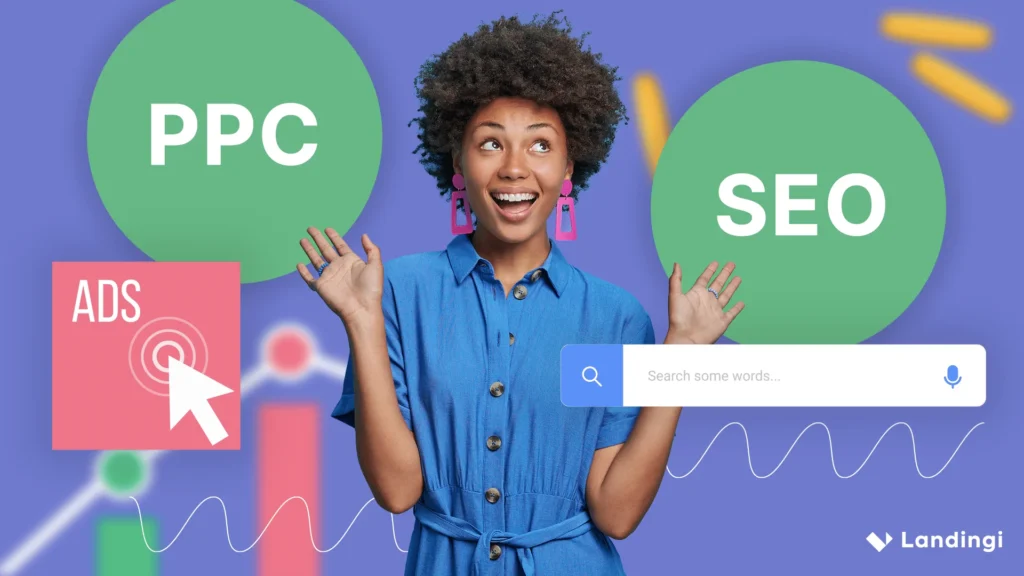
That’s where PPC and SEO step in. Not as rivals, but as two very different engines pulling in the same direction.
The Fast Lane: Why PPC Gets You Seen Immediately
Let’s not overcomplicate it, Pay-Per-Click (PPC) is speed.
You turn it on, and your brand shows up. Right there. Top of the page. Above organic results, above competitors who’ve been grinding SEO for years.
That kind of visibility isn’t subtle.
PPC allows businesses to:
- Target highly specific audiences (location, behavior, intent)
- Test messaging quickly (what works, what flops)
- Scale campaigns based on performance, not guesswork
And here’s the thing most people don’t say out loud: PPC is incredibly useful when you don’t have time to wait. Product launch? Seasonal push? New market entry? You need eyes now, not six months from now.
That immediacy is hard to beat – and it’s a space where agencies like Softline Solutions often help brands move faster by structuring campaigns for quick, measurable impact.
The Long Game: SEO Builds Momentum That Doesn’t Switch Off
Now flip the perspective.
What happens when you stop paying for clicks?
Traffic disappears. Instantly.
SEO works differently. It’s slower, sometimes frustratingly so, but it compounds over time. A well-optimized page can bring in traffic for months, even years, without ongoing ad spend.
That’s not hype. That’s how search engines reward relevance and consistency.
Strong SEO strategies focus on:
- High-quality, intent-driven content
- Technical optimization (site speed, structure, mobile usability)
- Authority signals like backlinks and domain trust
Over time, your site stops chasing visibility, and starts earning it.
PPC vs. SEO? That’s the Wrong Question
People love to compare them like it’s a competition.
It’s not.
PPC and SEO solve different problems at different stages. One delivers immediacy. The other builds durability. Together, they create something more balanced, short-term wins with long-term stability.
Think of it like this:
- PPC = controlled acceleration
- SEO = sustained momentum
When combined strategically, they reinforce each other. PPC data can reveal which keywords convert best, feeding directly into SEO content planning. Meanwhile, strong SEO reduces dependency on paid ads over time.
That feedback loop? That’s where things get interesting.
Data, Not Guesswork, Drives Real Growth
Here’s where many businesses stumble, they treat digital marketing like a one-time setup instead of an ongoing system.
But both PPC and SEO rely on continuous refinement. You monitor performance, adjust targeting, optimize content, test again. It’s iterative.
That approach mirrors how high-performing systems operate across industries: constant measurement, immediate feedback, and real-time improvements .
In other words, growth isn’t accidental. It’s engineered.
Why Expertise Matters More Than Ever
Running ads is easy. Running effective ads? Different story.
Ranking content is possible. Ranking content that converts? That’s where strategy comes in.
This is why businesses often turn to specialized partners like Softline Solutions. With the right expertise, campaigns aren’t just launched, they’re aligned with business goals, refined with data, and scaled intelligently.
Because visibility alone isn’t the goal.
Impact is.
Final Thought: Reach Is Earned, Or Bought (Ideally Both)
There’s a quiet tension in digital marketing.
Do you invest in quick wins or build something that lasts?
The answer, realistically, is both.
PPC gets you into the conversation immediately. SEO keeps you there long after the ad budget shifts elsewhere. One without the other creates gaps, either in speed or sustainability.
But together?
You’re not just expanding reach. You’re building presence.
And in a crowded online space, that difference shows.
Read More From Techbullion