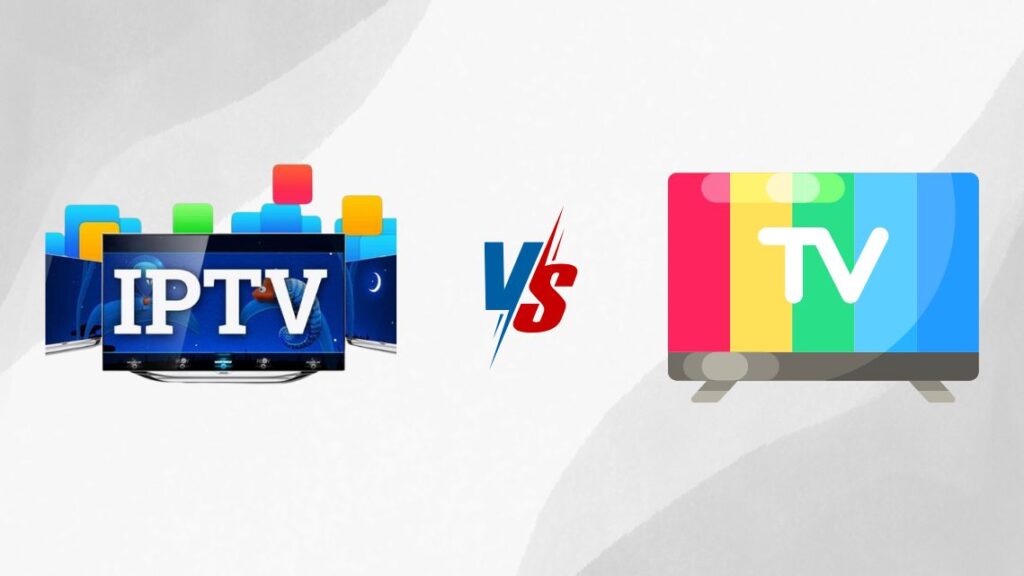
Dutch viewers in 2026 have more options for watching television than ever before. The two most common choices are traditional cable television and IPTV — Internet Protocol Television. Both deliver live channels, on-demand content, and sports coverage, but the way they work and what they offer are fundamentally different. Understanding these differences helps households in the Netherlands make an informed decision about which option suits their viewing habits and budget.
How Cable Television Works in the Netherlands
Cable television in the Netherlands delivers content through a physical coaxial or fibre-optic network managed by a telecommunications provider. The signal travels from the provider’s infrastructure directly to a set-top box connected to the television in the viewer’s home. This has been the standard model for Dutch television for decades.
Cable packages in the Netherlands are structured around fixed channel lineups. Subscribers choose a tier — basic, standard, or premium — and receive a predetermined set of channels included in that tier. Adding extra channels or premium sports packages typically requires paying an additional monthly fee on top of the base subscription. Most cable contracts in the Netherlands run for one or two years, with early cancellation penalties.
The main advantage of cable is its reliability. Because the signal is delivered through dedicated infrastructure rather than the open internet, cable television is not affected by internet congestion, Wi-Fi instability, or bandwidth limitations. The picture quality is consistent, and there is virtually no latency during live broadcasts.
However, cable comes with significant limitations. The channel selection is fixed and cannot be customised beyond choosing a tier. The service is tied to a physical set-top box and a single location — viewers cannot watch their subscription on a phone, tablet, or laptop without a separate streaming add-on. And the cost of a comprehensive cable package, particularly one that includes premium sports channels, has increased steadily over the years.
How IPTV Works in the Netherlands
IPTV delivers television content through the internet. Instead of receiving a signal through a cable network, viewers stream live channels and on-demand content through their broadband connection. This means IPTV can work on any device connected to the internet — smart televisions, streaming sticks, smartphones, tablets, laptops, and dedicated media players.
After subscribing to an IPTV service, users receive login credentials that they enter into an IPTV player application. The application loads the full channel list, electronic programme guide, and on-demand library. From that point, the experience resembles traditional television — live channels, scheduled programming, and the ability to switch between content — but with additional flexibility that cable does not offer.
IPTV services in the Netherlands typically provide access to thousands of live channels, including Dutch and international programming, alongside large on-demand libraries of films and series. Most services also include catch-up functionality, which allows viewers to replay programmes that aired in the past several days. Subscriptions are usually offered on a monthly, quarterly, or annual basis without binding long-term contracts.
The main requirement for a good IPTV experience is a stable internet connection. For HD streaming, a minimum of 25 Mbps is recommended. For 4K content, 50 Mbps or higher is preferable. Given the quality of broadband infrastructure in the Netherlands, the vast majority of Dutch households meet these requirements comfortably.
Channel Selection and Content
This is one of the areas where the difference between cable and IPTV is most significant.
A standard cable subscription in the Netherlands includes Dutch national channels, a selection of European channels, and a limited number of international options. Premium sports coverage, film channels, and additional international packages are available as paid add-ons. The total number of channels in a typical cable package ranges from approximately 80 to 200, depending on the tier and provider.
IPTV services generally offer a much larger channel selection. A standard IPTV subscription in the Netherlands can include thousands of live channels spanning Dutch television, European networks, and international programming from countries across the world. Sports coverage is usually included in the base subscription rather than offered as a separate add-on. On-demand libraries tend to be substantially larger as well, with many services offering tens of thousands of films and series.
For viewers who primarily watch Dutch television and are satisfied with a standard channel lineup, cable provides a straightforward and reliable option. For households that want broader international content, comprehensive sports coverage, or a larger on-demand library, IPTV typically offers more at a lower total cost.
Device Flexibility
Cable television in the Netherlands requires a set-top box connected to a television. Watching on a second television requires a second box, which usually comes with an additional monthly fee. Watching on mobile devices is only possible through the provider’s companion app, which often has a more limited channel selection than the main service.
IPTV works on virtually any internet-connected device. A single subscription can be used on a smart television, a streaming stick in the bedroom, a tablet in the kitchen, and a smartphone while commuting — all without additional hardware costs. Most IPTV subscriptions allow multiple simultaneous streams, which means different household members can watch different content on different devices at the same time.
For households with multiple viewers and varying schedules, this flexibility is a significant practical advantage. There is no need to purchase or rent additional hardware, and there is no restriction on which device can be used to access the service.
Pricing Comparison
Cable television pricing in the Netherlands varies by provider and package tier, but a mid-range subscription typically costs between €30 and €55 per month. Adding premium sports channels, international packages, or a second set-top box increases the monthly cost further. Most subscriptions also include a one-time installation fee and require a contract commitment of 12 to 24 months.
IPTV pricing in the Netherlands is generally lower. A comprehensive IPTV Netherland subscription that includes live channels, sports, and on-demand content typically ranges from €5 to €15 per month, depending on the provider and subscription length. Annual plans usually offer the best value per month. There are no installation fees, no hardware rental costs, and no long-term contracts. Providers like My IPTV Store offer flexible subscription options without binding commitments, which allows viewers to try the service before committing to a longer plan.
The cost difference becomes even more pronounced when comparing total entertainment spending. A cable subscriber who also pays for two or three streaming services alongside their cable package may spend €60 to €90 per month in total. An IPTV subscriber with a single comprehensive subscription often pays a fraction of that amount for comparable or broader content access.
Reliability and Performance
Cable television has the advantage of dedicated infrastructure. The signal does not depend on internet speed or bandwidth availability, which means picture quality remains consistent regardless of what else is happening on the home network.
IPTV performance depends on the quality of the internet connection. On a stable, fast connection — which most Dutch households have — the experience is comparable to cable in terms of picture quality and reliability. However, IPTV can be affected by network congestion during peak hours, Wi-Fi interference in busy environments, and temporary bandwidth drops if multiple devices are using the connection simultaneously.
Using a wired Ethernet connection rather than Wi-Fi eliminates most of these potential issues. For households with a reliable fibre-optic connection and a modern router, IPTV performance is consistently excellent. For households with slower or less stable broadband, cable may offer a more dependable experience.
Installation and Setup
Cable television requires a professional installation in most cases, or at minimum the delivery and activation of a set-top box. The process can take several days from the point of ordering to being able to watch.
IPTV setup is immediate. After subscribing, users receive their credentials digitally and can begin watching within minutes. There is no hardware to install, no engineer visit to schedule, and no waiting period. The entire process — from choosing a subscription to watching the first channel — can be completed in under ten minutes.
For viewers who value simplicity and speed, IPTV has a clear advantage. For viewers who prefer a fully managed service where the provider handles all hardware and configuration, cable offers that hands-off experience.
Which One Is Right for You?
The choice between cable and IPTV in the Netherlands ultimately depends on what a household values most.
Cable is the better choice for viewers who prioritise maximum reliability, prefer a managed service with professional installation, are satisfied with a standard Dutch channel lineup, and do not mind paying a premium for that consistency.
IPTV is the better choice for viewers who want broader channel selection and international content, prefer flexibility across multiple devices, want lower monthly costs without long-term contracts, and have a stable broadband connection that supports high-quality streaming.
For a growing number of Dutch households, the balance has tipped decisively in favour of IPTV. The combination of lower cost, greater content variety, device flexibility, and the absence of binding contracts makes it the more practical choice for viewers who want control over their entertainment without overpaying for it.