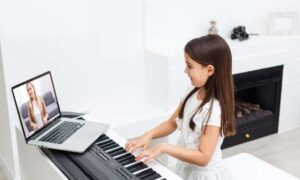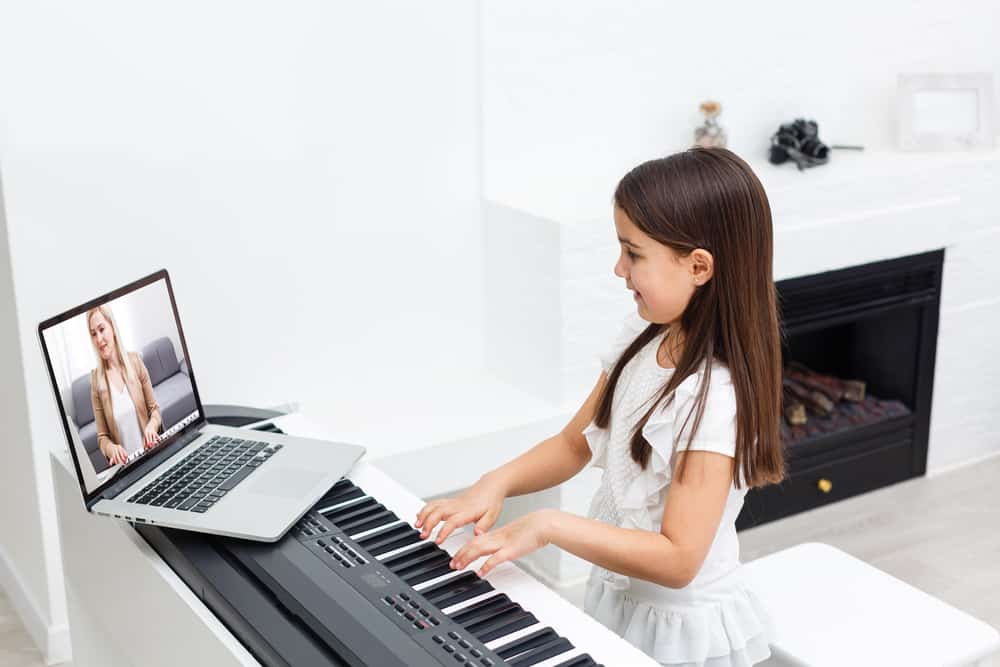
In the past, learning the piano involved having weekly sessions in person at the teacher’s house. Today, there is an option to learn from teachers who are miles away. You may get lessons from someone even in another country. Online piano lessons have brought this transformation.
It has revolutionized the teaching process and has also given the instructors new methods of teaching. 1on1 Piano is an example of how technology can bring remote music lessons closer together while still maintaining teacher guidance.
Why Online Piano Learning Has Grown
The growth of piano lessons over the Internet was not solely due to improved ease in using technological advancements. Certain factors pushed teachers and students to consider taking lessons remotely. In the year 2020, a lot of music instructors were required to shift their teaching online at a rather sudden pace.
Online video calling became a rather obvious way forward. But there are some downsides to using common video software when it comes to musicians. Speech can withstand lag and data compression, but piano playing cannot.
It was that distinction that made developers and educators search for technology that focused on musical communication.
Sound Quality Matters More Than Video
The piano lesson is greatly dependent on the hearing capacity of the teacher. This teacher has to be able to distinguish the individual notes played by the student, dynamics, articulation, rhythm, and even the mistakes. The student has to hear the demonstrations clearly.
The normal video conferencing software tends to compress the audio quality to ensure that the voice is clear. This may result in the piano being heard in poor quality. There is another challenge in terms of internet lag.
Some online piano software tries to solve these problems by prioritizing the sound of music. Some programs can establish a direct link between two digital pianos. This way, the instructor and student will be able to hear their instruments more naturally.
This can be very useful when doing technical work. The instructor does not have to listen to the distorted sound of the microphone. He can listen to the student’s actual performance.
Finding the Right Teacher
An effective online class is not solely dependent on technology; the teacher-student interaction will always be key.
Students have varying characters and learning styles. Some need step-by-step instructions, whereas others pick up concepts by demonstration alone. Some students need structure in their work, and some like freedom to explore music based on their interests.
This will thus affect motivation. Students are likely to get involved in class activities if they are free to ask questions and make mistakes.
Teachers will also have different specializations. One may be knowledgeable about classical technique while the other may be experienced with contemporary music or beginners.
The Benefits of One-on-One Instruction
Recorded tutorials will help you understand useful principles, but they cannot watch the student live. During an individual lesson, you get instant feedback.
For instance, a tutor can see that the student is lifting his shoulders while performing. The student may not be aware of that. The tutor can instantly show the student the issue. They can even propose the right way to solve it.
This is equally true for fingering, posture, rhythm, hand positioning, and musical interpretation. Individual feedback can help ensure that one doesn’t have to stick to poor practice habits.
The other advantage of individual lessons is that the pace can be varied based on the student’s understanding. A student can progress faster if a concept is easy to grasp.
Learning Across Different Devices
Today’s online learning is not limited to the traditional use of a computer. The platform can allow users to use devices like a tablet, smartphone, laptop, and desktop computer.
The reason why device compatibility is important is that students have different situations at home. Using a tablet might be ideal for one who has her sheet music placed next to the piano.
Device convenience is not an alternative to the use of proper tools. Certain aspects could affect the learning process. These include Stable Internet access, a proper digital piano where necessary, and a suitable microphone. Students need to think about the place where they will have their lessons. It is better if the room is quiet.
What Teachers Gain from Digital Tools
However, online technology can be useful for teachers just as well. A digital class setting can help teachers arrange lessons, talk to students, and operate a remote studio.
In addition, some particular programs have options that would let teachers interact with students’ digital pianos remotely. These options can be helpful when demonstrating something or explaining something in particular.
In addition, teachers can communicate with students who are not close by. Geography is not such an important restriction anymore, which might allow instructors to form studios on a certain topic they teach.
Nevertheless, technology should be used just as an additional teaching tool. Technology can never replace musical education, experience, patience, and understanding of each particular student.
How Students Can Get More from Online Lessons
A student can enhance his or her experience while learning remotely with just some preparation. A student should ensure that the space in which he or she is playing the piano is well arranged, eliminating all kinds of distractions. The sheet music, notebook, and any exercises assigned by the teacher should be easily accessible.
Another form of preparation is checking one’s devices and connection beforehand to avoid losing time during the lesson.
Students are encouraged to practice outside of class time since all of the learning is done within one week of classes. It is also helpful to ask questions because when a student is unsure about the significance of certain fingering or exercises, he or she may be saved from getting confused.
Is Online Piano Learning Right for Everyone?
Online classes provide flexibility, but they are not for everyone. Younger and beginner students may require more supervision while practicing.
Other learners would prefer the environment in an actual studio. Some appreciate the convenience of being able to learn in the comfort of their own homes. They usually like the idea of connecting with instructors from other places.
The age of the student, the aims he or she sets, and the equipment he or she uses help determine the best option. The schedule, the learning styles, and comfort with technology also play a huge role.
Internet piano lessons continue the combination of the traditional method of learning with modern means of communication. The piano stays the same. Students need to practice, have patience, rehearse, and follow tutoring with online piano lessons.