Navigating busy city streets means dealing with sudden stops, heavy congestion, and the constant threat of a rear-end collision. For decades, the automotive industry largely focused on surviving crashes through seatbelts and airbags, but the focus has thankfully shifted toward stopping impacts before they ever happen. Perhaps the most significant step forward in this proactive strategy for driver safety is the Automatic Emergency Braking (AEB) system. These smart systems are constantly monitoring the road ahead and can step in when human reaction times are not fast enough, reducing the severity of crashes and saving untold numbers of lives in the process. However, while modern vehicle technology is incredible, it still cannot prevent every single incident on the road. When software limitations or human negligence lead to a crash anyway, the car accident attorneys at McMinn step in to help victims hold the responsible parties accountable and secure the compensation they need to recover.
How Automatic Emergency Braking Systems Function
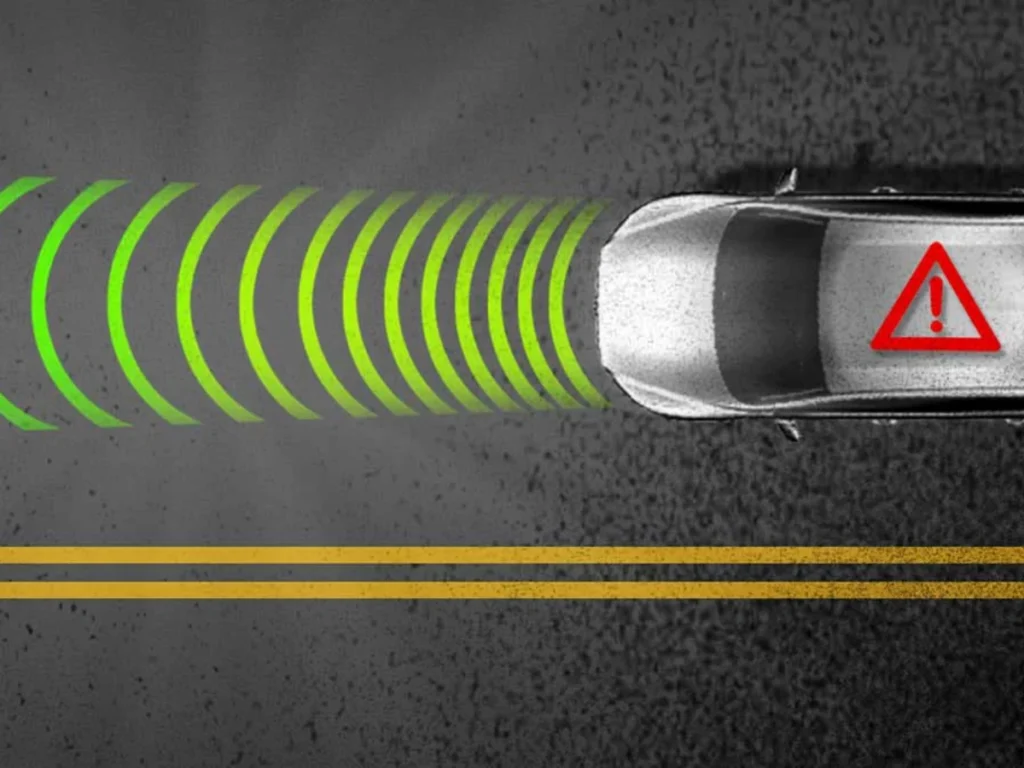
This crash prevention technology is based on a sophisticated network of sensors that work together in real-time. Most AEB systems use a combination of forward-facing cameras, radar arrays, and LiDAR technology to continuously scan the environment directly in front of the vehicle. If the system calculates that you are closing in on a lead car too rapidly and you have not taken evasive action, it issues an immediate audible or visual warning. Should you fail to respond to those alerts, the vehicle’s computer takes over by automatically applying the brakes to avoid the obstacle or at least minimize the impact speed. The life-saving potential of this technology is so undeniable that federal safety regulators recently mandated that advanced braking mechanisms become standard on all new passenger cars by the end of the decade, signaling a massive regulatory push toward zero roadway fatalities.
Addressing the Unique Challenges of Austin Traffic
Between construction and I-35 gridlock, driving in Austin is unpredictable. I find that Automatic Emergency Braking (AEB) helps offset the danger by hitting the brakes when traffic halts even if the driver is distracted. However, Automatic Emergency Braking (AEB) is not foolproof. Automatic Emergency Braking (AEB) relies on a well‑maintained vehicle and clear weather to work. If you get rear-ended because someone else was careless or driving an unsafe car, an Austin car accident lawyer can help you sort out the aftermath.
Measurable Reductions in Rear-End Collision Rates
The real-world proof of how well these preventative features work can be found directly in highway safety statistics. Researchers and safety advocates have spent years tracking crash data, and the results clearly demonstrate that taking the braking responsibility out of a distracted driver’s hands works wonders. I read reports from highway safety organizations that show these preventative technologies can cut rear‑end crash rates by about fifty percent when compared with older cars that depend only on human reflexes. Even if a crash cannot be stopped completely because of speeds or slick pavement, the automatic braking sequence slows the striking vehicle enough to drop the rate of severe injuries dramatically. This means fewer cases of chronic whiplash, lower property damage costs, and far less strain on local emergency responders who watch our highways.
Conclusion: The Future of Accident Prevention
As auto manufacturers continue to refine sensor arrays and pedestrian detection software, our daily commutes are undeniably becoming safer for everyone who shares the road. We might never be able to completely engineer human error out of the driving experience, but these intelligent safety nets are proving invaluable in mitigating disaster before metal actually meets metal. Until the day vehicles become entirely autonomous and collision-proof, drivers must remain alert and entirely focused while behind the wheel. Technology is meant to assist a good driver, not replace one. If the unthinkable does occur and digital safety systems aren’t enough to prevent a devastating wreck, reaching out to the car accident attorneys at McMinn ensures that you are fully protected from predatory insurance tactics during the complex legal aftermath.